Andhra Pradesh has seen a significant improvement in literacy rate, with 82.1% up from 72.6%, which is an important development in the state’s education system.
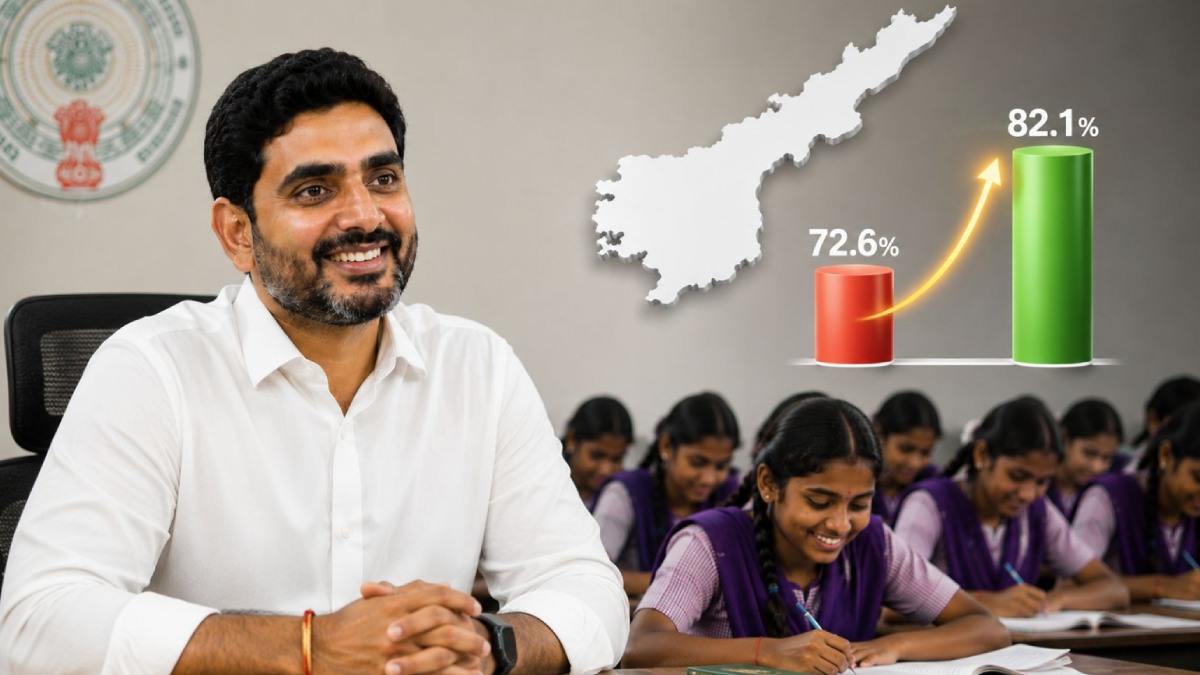
The improvement is a result of the ongoing efforts to improve access to education, encourage continued learning and improve literacy among different segments of the population. This has been further reinforced by the Andhra Pradesh government’s commitment to achieve 100% literacy by 2027.
The rapid rise in literacy is a clear indicator of the state’s overall focus on human development and educational inclusion. From 72.6% to 82.1% literacy is a 9.5 percentage point increase, which shows a significant improvement in a short period of time. The goal is to be 100% literacy, but in the absence of education resources and opportunities that are available the achievement of this target is not so easy.
The government’s goal of 100% literacy by 2027 calls for the introduction of students who have not been in formal education to develop basic reading and writing skills. Literacy is not limited to school-age children: adult literacy and continuing education are key to an inclusive education system. Increasing the literacy of adults is also good for job prospects, government services, financial systems and digital platforms.
The recent developments also suggest that community-level engagement in education programmes is crucial. Government institutions, teachers, local administrations, volunteers and community organisations may have to be more active in identifying people who need literacy support and in encouraging them to participate in learning programmes.
That 2027 target will also require attention to the quality of education alongside literacy numbers. Reading and writing is essential to education today, but people need to understand, numeracy, digital skills and practical skills as well. Andhra Pradesh is working toward universal literacy and these capabilities will help to ensure that the improvements to the level of literacy are meaningful in real life.
The literacy drive in the state has broader social and economic implications. Higher literacy levels can raise awareness of healthcare, sanitation, financial services, government welfare programmes and civic duties. In the younger generation, good education can help improve their future in higher study, training and employment. Literacy in banking and technology and public services can help adults to make banking more understandable.
The rise to 82.1% still is a very big gap for the government’s ultimate goal. To close the remaining gap we have to find areas and communities where literacy is still below the state average. This must be done because poverty, school access, social circumstances, migration and lack of educational infrastructure all have an impact on how much students are interested in learning. We need to tackle these problems in the state if the state is to make progress next year.
Another aspect of the goal is to make sure literacy improvements are sustainable. Continual monitoring and evaluation can help governments know whether people completing literacy programmes are able to retain and apply the skills that they learn. Regular assessments, readily available resources and continuous education opportunities for those who have new literacy skills to be applied can help prevent new literacy skills from being lost over the years.
The improvement from 72.6% to 82.1% puts Andhra Pradesh in a better position to achieve universal literacy. And the path to 100% will be a lot more difficult, as it will require coordination and cooperation from government agencies and community involvement. The focus will need to continue on those who are difficult to include; children and adults should have the opportunity to learn well.
🚨 Andhra Pradesh literacy rate rises to 82.1% from 72.6%; the govt targets 100% literacy by 2027. pic.twitter.com/VjNikAbXFq
— Indian Tech & Infra (@IndianTechGuide) September 2, 2026
With 2027 as the goal year for Andhra Pradesh’s literacy programme, the next stage will likely be more closely monitored by policymakers, educationists and local governments. If the recent improvement is maintained and targeted interventions are made, the state could make even further progress towards universal literacy. So the 82.1% increase is an encouraging point, but the 100% target is a much bigger hope to make basic education available to everyone, everywhere in Andhra Pradesh.