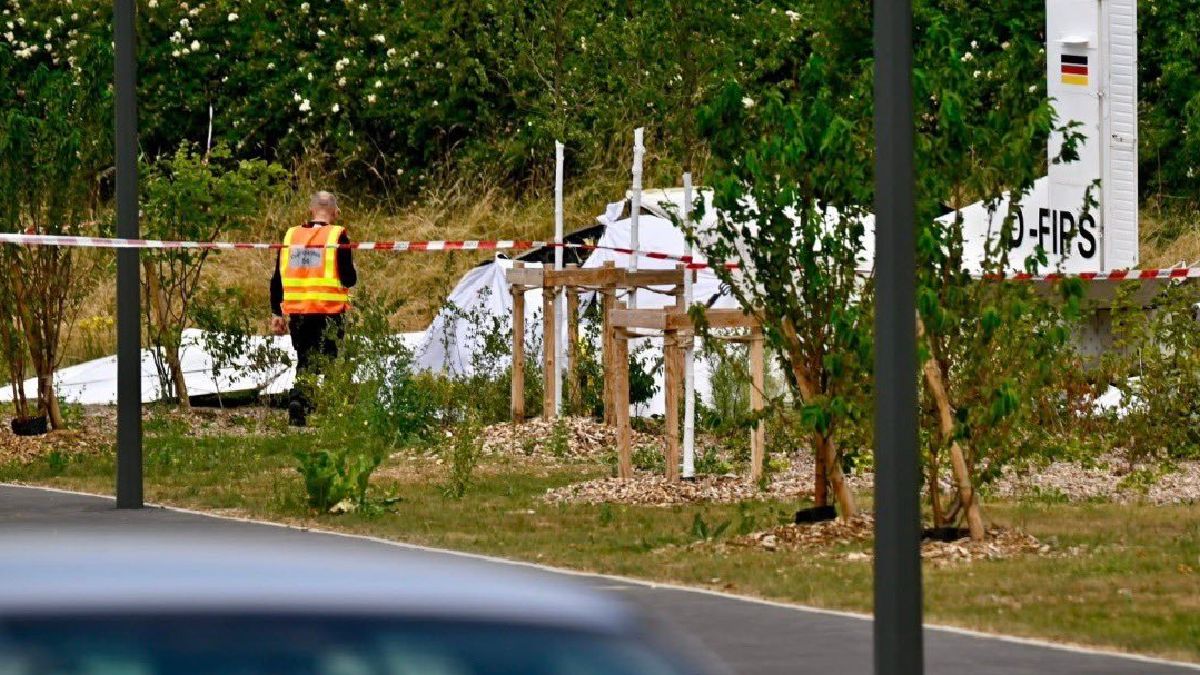
France recorded a sharp rise in deaths during the peak of its record-breaking June heatwave, with health authorities reporting 2,025 excess deaths in the week of June 22 to June 28, nearly 30 per cent higher than the previous week.
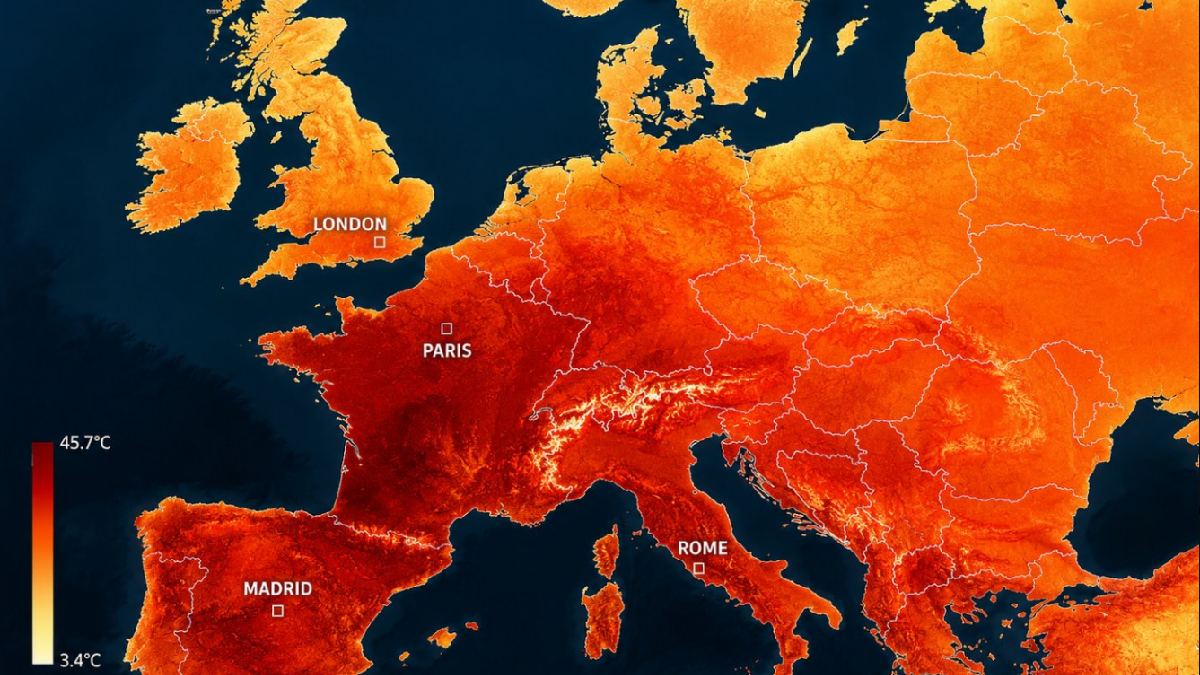
The latest figures released by Public Health France are much higher than an earlier estimate of around 1,000 heat-related deaths and underscore the severe human toll of one of Europe’s most intense heatwaves in recent history. But experts warned that the figures are preliminary and could rise when mortality data are collected to more accurately predict.
French Health Minister Stéphanie Rist said about 2,025 more deaths had been reported during the week, and that the tally was “nowhere near complete.” Public Health France admitted the estimate is probably an underestimate as preliminary mortality data is not yet available for all deaths in the country.
The situation was particularly severe in the Paris (Île-de-France) region where deaths increased 62 per cent during the same period. In the Pays de la Loire region there was also a huge jump in deaths as the extreme temperatures took place in various parts of the country. And officials noticed a particularly sharp rise in the number of deaths at home (about 91 per cent compared to the previous week) that indicated that many vulnerable people died outside hospital settings.
France experienced an exceptionally intense heatwave throughout June, with temperatures exceeding 40 degrees Celsius in many cities for around 11 consecutive days. June 23 was the nation’s hottest day ever and it set a record for the entire country during the devastating 2003 heatwave. Almost 90 departments were placed under orange heat alerts and 49 departments were on the highest level of red alert at the height of the crisis.
The scorching conditions put enormous pressure on France’s healthcare system. Emergency departments and medical services reported a sharp rise in patients suffering from heatstroke, dehydration and other heat-related illnesses, and hospital admissions grew significantly in all age groups, especially for older adults.
The recent mortality figures have also rekindled political debate in France on how to prepare for more and more extreme weather events. Opposition lawmakers, including the Green Party, have blasted the government’s responses to the situation, saying existing measures to protect vulnerable populations are inadequate. The Greens have already filed a no-confidence motion against the government of Prime Minister Sébastien Lecornu, citing its handling of the heatwave as one of their concerns.
France continues to compare the latest crisis with the country's catastrophic 2003 heatwave, when more than 15,000 people died, many of them elderly residents in nursing homes. Although the current heatwave is more intense in terms of temperatures, Health Minister Rist said its overall death toll is unlikely to reach the levels recorded in 2003 due to better preparedness and heat-response measures.
But Nicolas Revel, Director General of the Paris public hospital system, said that though fatalities are expected to remain below the 2003 disaster, they could exceed those recorded during last year's heatwave, which claimed around 5,700 lives nationwide.
Scientists have warned repeatedly that while individual heatwaves naturally happen, human-induced climate change is making extreme heat events more frequent, longer-lasting and more intense. Europe is considered the fastest-warming continent, and that makes it more susceptible to deadly heatwaves, droughts and wildfires in the years to come.