Health officials in Venezuela are responding to a hantavirus outbreak that has resulted in three confirmed deaths, and two more suspected deaths linked to the disease are under investigation as further cases of hantavirus are reported.
More surveillance and public health warnings are being issued and there are attempts to control the spread of the disease in areas where the infected rodents are believed to have been exposed.
Hantavirus is a rare but potentially life-threatening virus that is transmitted by contact with infected rodents or their urine, droppings, and saliva. People can get infected by inhaling particles containing rodent waste, touching surfaces before touching their face or, in rare instances, through rodent bites. Unlike respiratory viruses, hantavirus is not commonly transmitted from person to person, with only limited exceptions (specific strains in South America).
The victims and confirmed cases from the disease showed signs of severe symptoms after being exposed in areas where rodent activity was high, officials said. Medical teams are also investigating two other deaths to determine whether they have been caused by the same virus. Laboratory tests and epidemiological studies are under way to determine the cause of death and whether there are any connections between them.
Authorities have not yet disclosed the full extent of the outbreak but they have intensified monitoring in affected areas. Local health departments are doing contact tracing, environmental inspections and telling residents about ways to minimize exposure to rodents. The health department is collaborating with health care providers to identify and treat suspected cases, officials said.

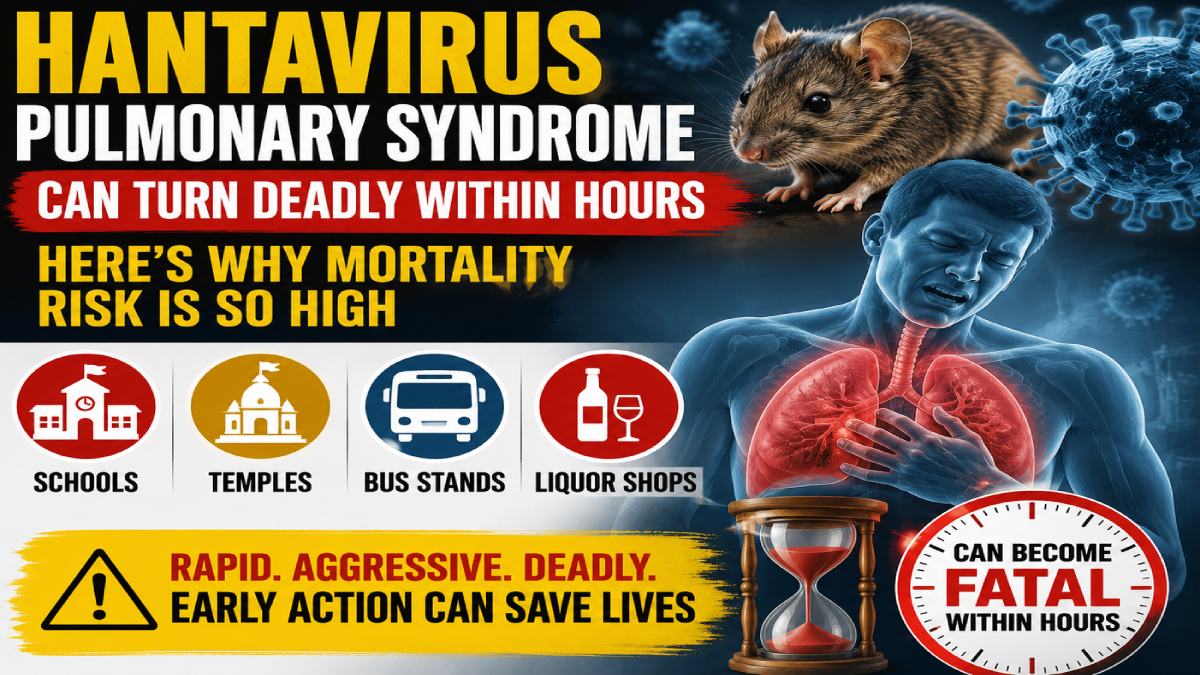
Hantavirus infection often starts with flu-like symptoms and can be tricky to diagnose early. Patients might first have fever, chills, muscle aches, fatigue, headaches, nausea, vomiting, abdominal pain and so on. In severe cases it can rapidly progress to Hantavirus Pulmonary Syndrome (HPS), a disease which causes fluid buildup in the lungs, which can lead to breathing difficulties and possibly fatal respiratory failure. Early treatment is critical for the disease as it can worsen quickly.
There is no specific antiviral treatment and widely available vaccine for hantavirus infection. The medical care is focused on supportive treatment such as oxygen therapy, intravenous fluids (IV fluids), and intensive care for patients with severe respiratory complications. Early detection and hospitalization significantly enhance the chances of survival.
Public health experts say prevention is still the best defense against hantavirus. In affected areas, homes and workplaces should be sealed to prevent rodents from entering, food should be stored securely, garbage disposed of properly, and areas kept clean. When cleaning areas with rodent droppings, health officials suggest wearing gloves and masks, avoiding sweeping or vacuuming dry droppings, and using disinfectants to reduce the risk of airborne viral particles.
The World Health Organization (WHO) and the Pan American Health Organization (PAHO) have emphasized rodent control and public awareness in the prevention of hantavirus infections. Rural areas, agricultural workers, campers, and people living in areas with high rodent populations are considered to be more susceptible to exposure.
Hantavirus is not as common as many other diseases but outbreaks can have a high fatality rate if cases are not identified and treated promptly. Health experts stress that the appearance of multiple cases within a short period is a matter of close monitoring and quick public health intervention to prevent additional infections.
Venezuelan authorities continue to collect samples, monitor suspected patients and strengthen disease surveillance as they work to contain the outbreak. Public health officials are warning people not to panic but to remain vigilant, follow hygiene recommendations, and seek immediate medical care if symptoms develop after potential exposure to rodents or contaminated environments.
The ongoing investigation of suspected deaths will give a better picture of the outbreak’s size and help determine whether further containment measures are needed. Laboratory results and epidemiological findings are expected to be made available by public health agencies.