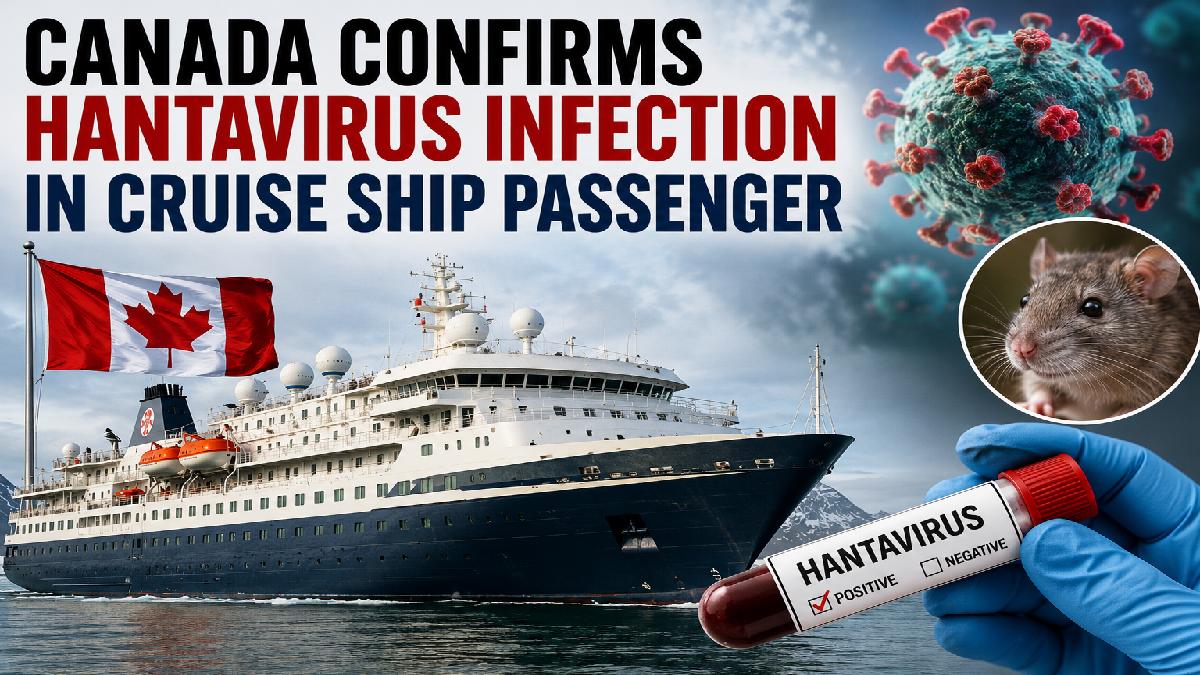
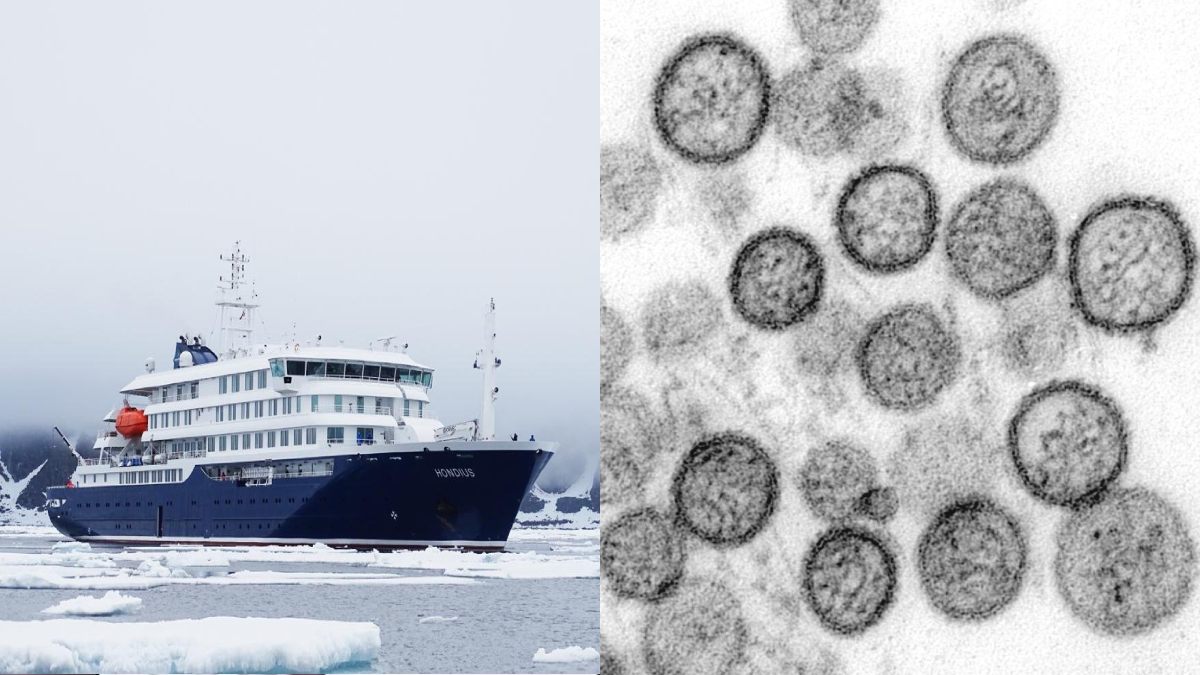
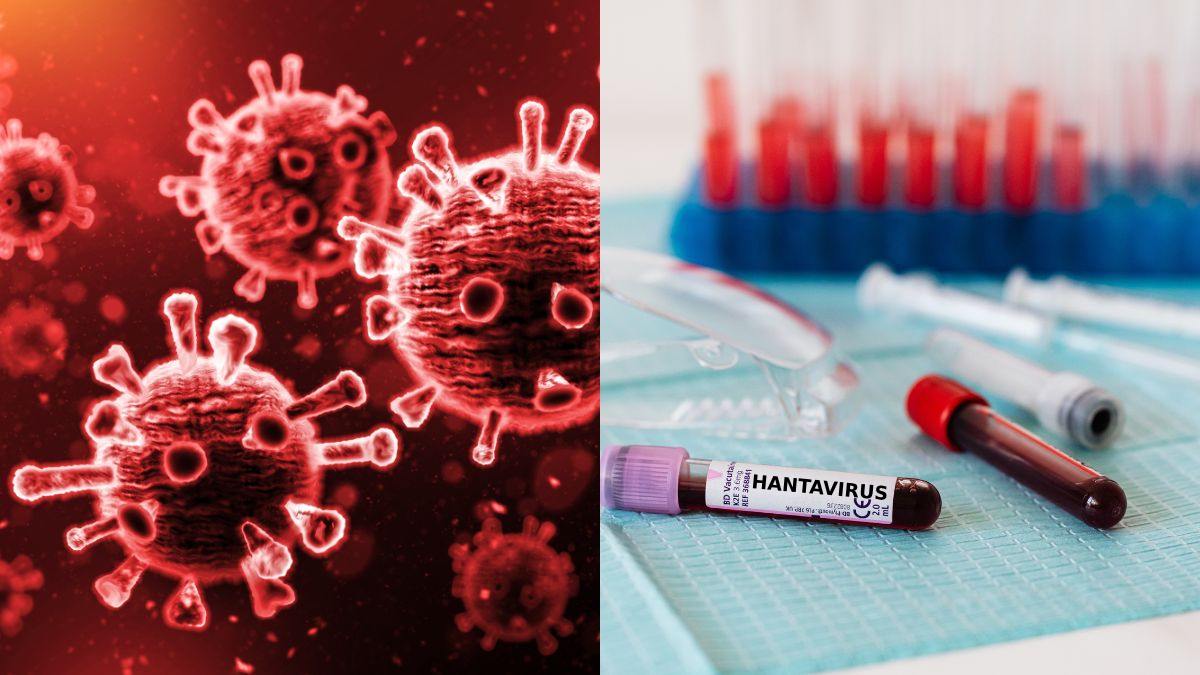
Hantavirus Pulmonary Syndrome (HPS) is among the deadliest viral respiratory infections all over the world, and it progresses very quickly and has a great deal of lethality. The disease may be rare, but it can become life-threatening within hours once symptoms develop into something serious, and early diagnosis and emergency treatment are key.
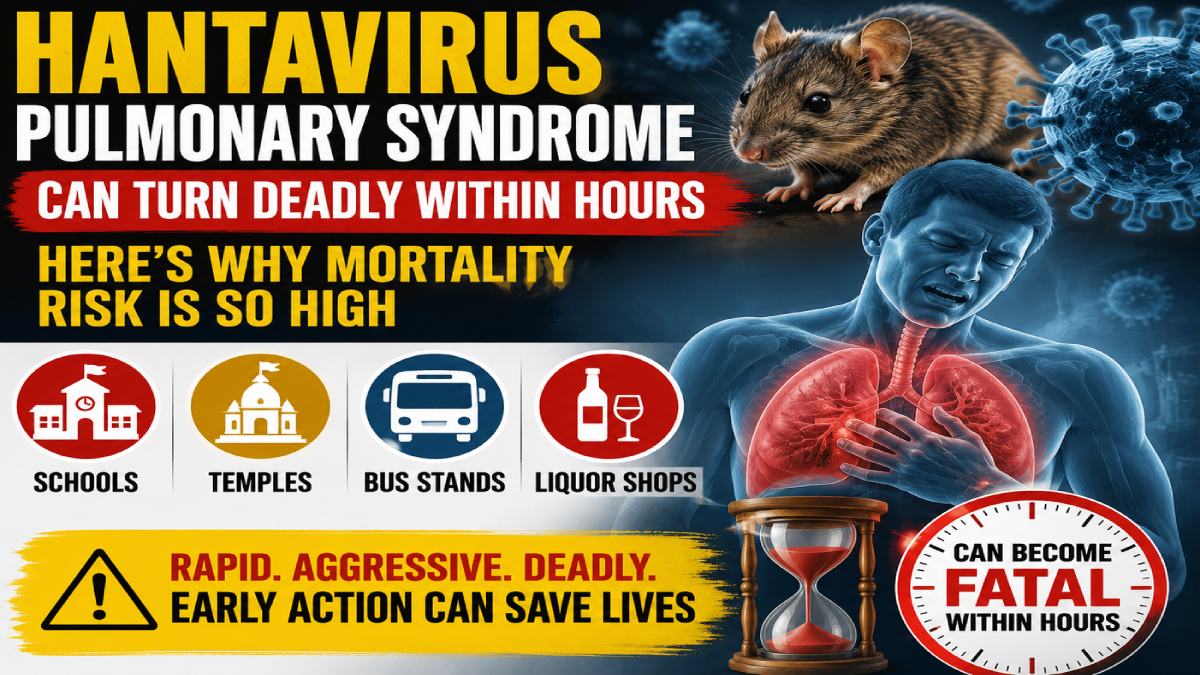
Health experts report that many patients initially mistake the illness for other viral infections, like the flu, delaying doctor care at the stage of the disease that is most significant. When breathing difficulties start appearing, the infection may have already caused major harm to the lungs and cardiovascular system.
What is Hantavirus Pulmonary Syndrome?
Hantavirus Pulmonary Syndrome is a severe respiratory disease caused by hantaviruses that are mostly transmitted through infected rodents. Humans typically become infected by breathing in small airborne particles tainted with rodent urine, droppings or saliva.
This illness first became known in the United States in 1993, and remained a severe disease in the localities where a highly susceptible rodent population was endemic. Deer mice are among the largest carriers of the virus in North America.
Why Is HPS So Dangerous?
One of the primary reasons HPS has such an extraordinarily high mortality rate is that it assaults the lungs more rapidly than other illnesses. In the early stages, patients may have symptoms that could mimic regular flu, for example:

- Fever
- Fatigue
- Muscle pain
- Headache. Chills
- Nausea and vomiting
But within a couple of days, the illness could advance suddenly to a severe cardiopulmonary phase. At this point, fluid grows rapidly in the lungs and makes breathing almost impossible. Oxygen levels in the blood drop dangerously low, and the heart may have difficulty pumping blood throughout the system.
Doctors say it’s within hours after progress, which is why patients often need immediate intensive care support, including oxygen therapy or mechanical ventilation.
Still a High Mortality Rate
Even with the most advanced medical treatment, the mortality of Hantavirus Pulmonary Syndrome is estimated to be between 35% and 40%, according to health agencies.
Fatalities have reportedly been reported to be even higher at worst in severe outbreaks. One of the greatest difficulties is that no antiviral remedy has yet been approved as an antiviral therapy for HPS. Treatment is largely supportive care, maintaining the patient’s oxygen supply and stabilising his heart and lungs until the immune system is able to kill the virus. This is because hospital stays delays dramatically increasing the danger of death as symptoms worsen quickly.
How Does The Virus Spread?
HPS does not generally spread from person to person in most instances, experts say. The greatest risk, however, is exposure to infected rodents or contaminated environments.
Most of the risk can fall to people who:
- Clean rodent-tainted home or storage space.
- Enter abandoned buildings.
- Handle contaminated materials.
- Camp or live close to places with a higher prevalence of rodents.
Another factor in this danger is poor cleaning, because contaminated droppings are released into the air after sweeping or vacuuming. With no vaccine for HPS today, prevention remains the best preventive measure. Public health authorities recommend these:
- Sealing holes and gaps in the house.
- Keep food properly stored.
- Prevent rodent infestation.
- Cleaning contaminated sites with gloves and masks.
- Disinfecting rodent droppings before removal.
After exposure to rodents, experts suggest reaching out to a doctor as soon as you see flu-like signs. Though rare, Hantavirus Pulmonary Syndrome is among the deadliest infectious diseases because it can wreak havoc on the body at a blistering pace. It is usually crucial to know, identify and then promptly treat the illness to maintain life.