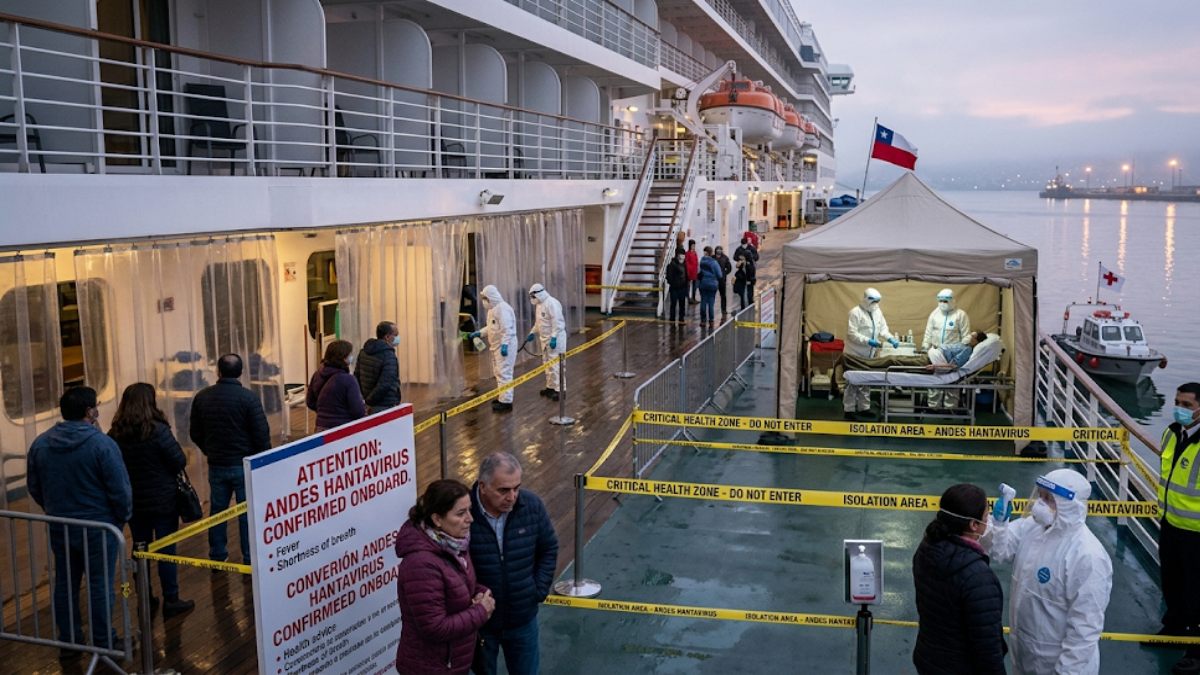
The case is a relatively rare outbreak of hantavirus on the MV Hondius, confirmed by Canadian health authorities, who said a member recently returned from a cruise on the same vessel. The confirmation was announced on Sunday, May 17, 2026, by Canada’s national health agency.
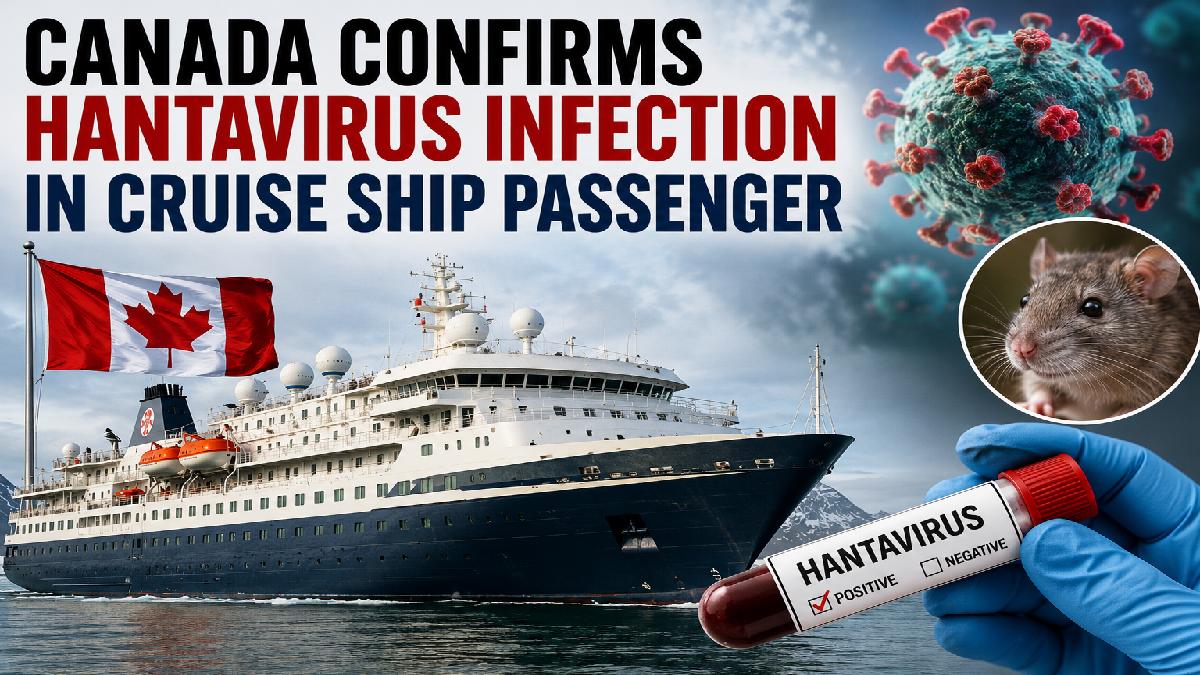
Four Canadian citizens who had previously taken the cruise ship were put in isolation on May 10, when they returned to British Columbia, officials said. They also said one person tested positive for hantavirus, and another passenger tested negative. The other two are in hospital under medical observation.
The infected passenger and a female companion are residents of Yukon and are undergoing treatment in a hospital in Victoria, health authorities said. It seems the infection probably spread while on the cruise journey, investigators said. At least 10 passengers and crew members aboard the ship have reportedly already tested positive for the virus, and three deaths have been attributed to the outbreak, records show.
The deceased were allegedly a Dutch couple who possibly contracted the infection on a South American trip before boarding the cruise. Authorities suspect the virus subsequently spread inside the ship’s confined quarters, potentially passing on to other passengers via close contact.
Health authorities are still investigating the precise origin and the route of transmission of the outbreak. The Public Health Agency of Canada (PHAC) has outlined that the risk to the general public at this point in time is very low. Officials said all confirmed infections have direct links to the cruise ship and that there is currently no evidence of community transmission in Canada.
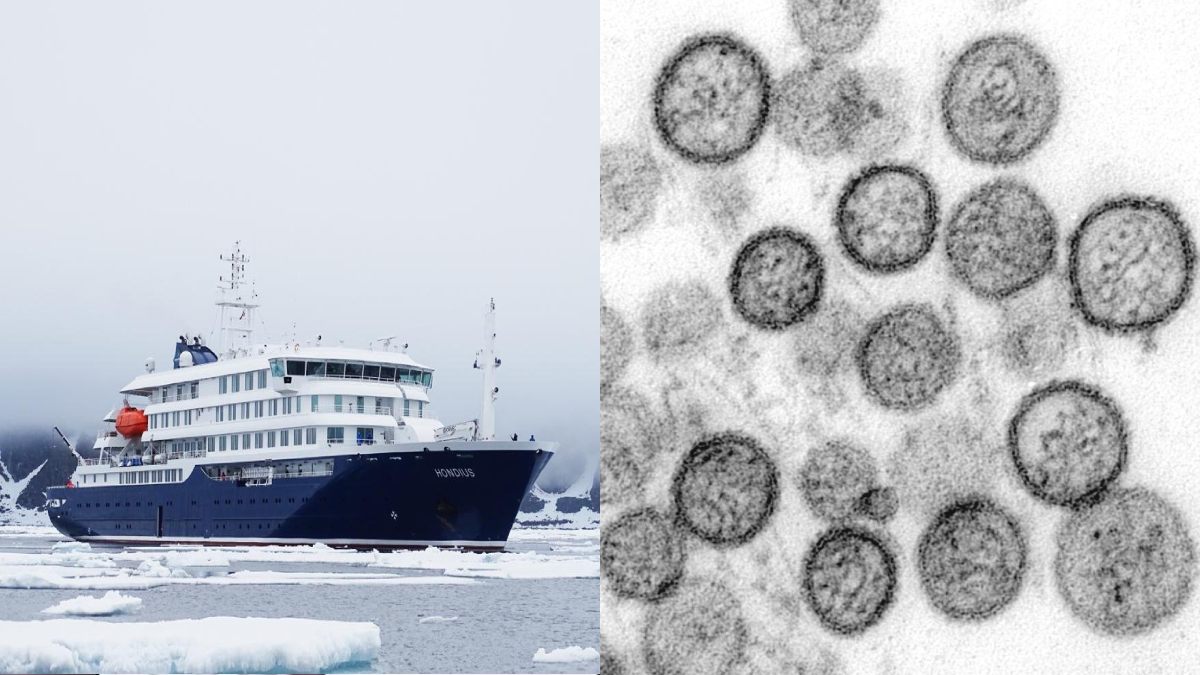
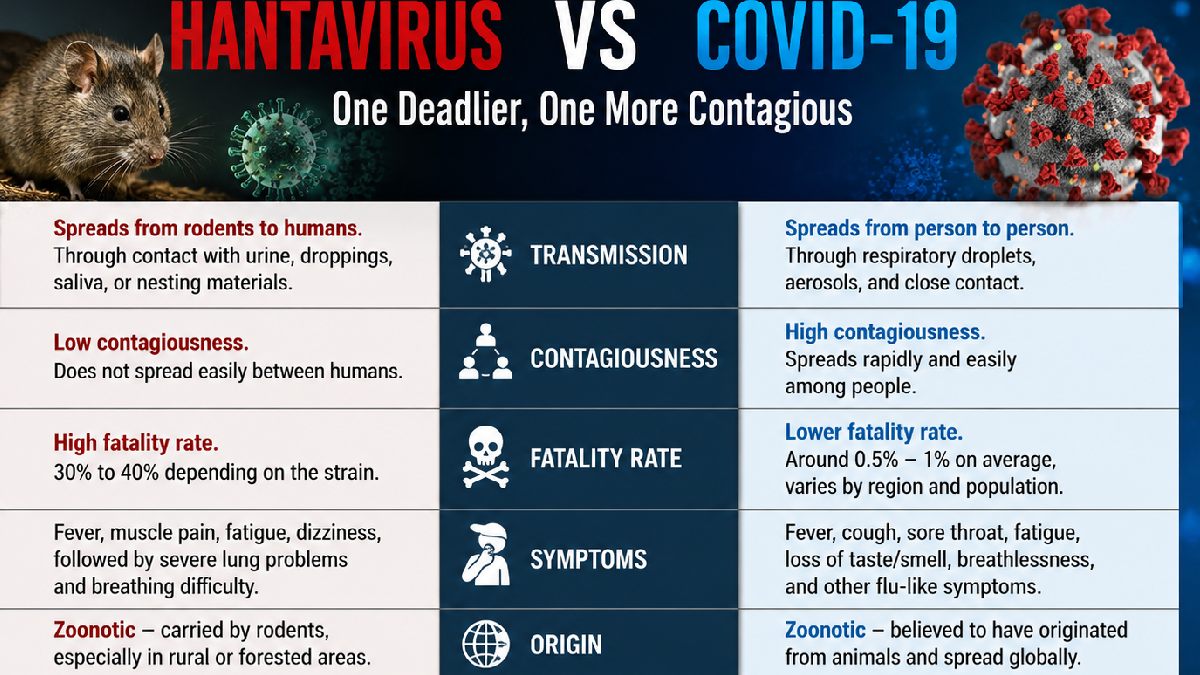
Hantavirus is usually spread through exposure to rodent urine, droppings, or saliva, and human-to-human transmission is very rare. But the outbreak on board the ship is with the “Andes strain” of hantavirus, one of only a few known to disseminate between people by long-term close contact, health experts said.
Medical experts say the Andes strain is capable of causing serious respiratory illness and has a mortality rate of almost 40 per cent for severe cases. The World Health Organisation has previously emphasised many of the dangers of this strain, since it can pose a threat to people’s personal health.
Canadian officials stressed that the infected passenger was already isolated and had not contaminated the wider public before making contact with it, greatly reducing the chances of any future spread. Hantavirus doesn’t spread as quickly as COVID-19 through the air, experts also said, and it typically needs long and close exposure for spread. Health officials are still tracking the condition of affected passengers while seeking contacts tied to the cruise voyage.