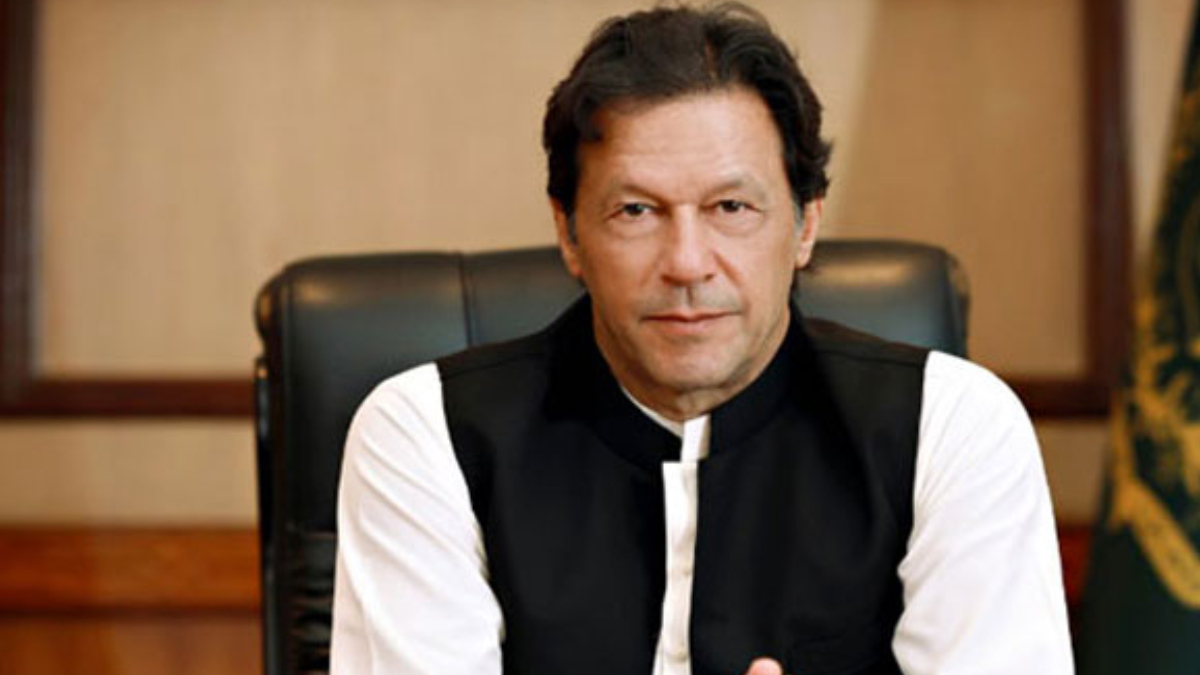
Imran Khan is to be moved to hospital after the country’s Supreme Court has sent his health into question on his condition, people in Pakistan say. The decision has raised a new light on the condition of the Pakistan Tehreek-e-Insaf (PTI) founder who has been in jail since late last month after being accused of abuse of power and has been in prison since then.
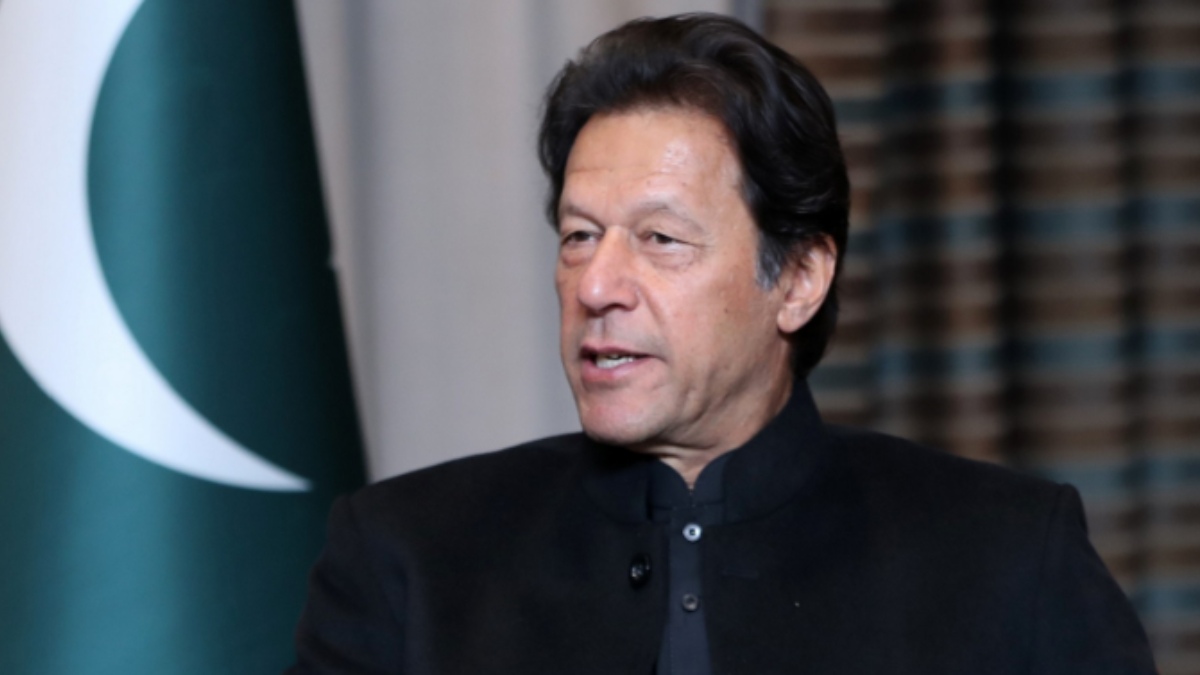
Imran Khan, who served as Pakistan's prime minister from 2018 to 2022, has remained one of the country’s influential political figures despite his removal from office and subsequent legal issues. His supporters have voiced concerns about his health and treatment while in custody. As part of the Supreme Court's direction in this case, he may be able to receive medical assessment and treatment in a hospital.
Justice and medical care of a high-profile detainee can have legal and humanitarian implications as well, so the Supreme Court’s intervention is significant. Courts generally have to balance the requirements of custody with the individual’s right to receive appropriate medical care. In cases involving prisoners or detainees, authorities also need to make sure that healthcare is available when medical factors call for it.
Khan’s health has been frequently concerned during his detention, and his legal team and political supporters have raised their concerns at different stages. His long-term detention has also continued to be a political issue in Pakistan, and PTI is still talking about him being released and what kind of conditions are expected for him to be released. This hospital-related situation may have implications beyond the medical problem.
Khan’s political career has been marked by broad changes in Pakistan’s political landscape. Before he entered politics, he was an international cricketing legend who took Pakistan to its 1992 Cricket World Cup victory. He later formed the PTI and created it as one of Pakistan’s most influential political forces. In April 2022, his government was dismantled after a parliamentary no-confidence vote, and relations between him and his party erupted.
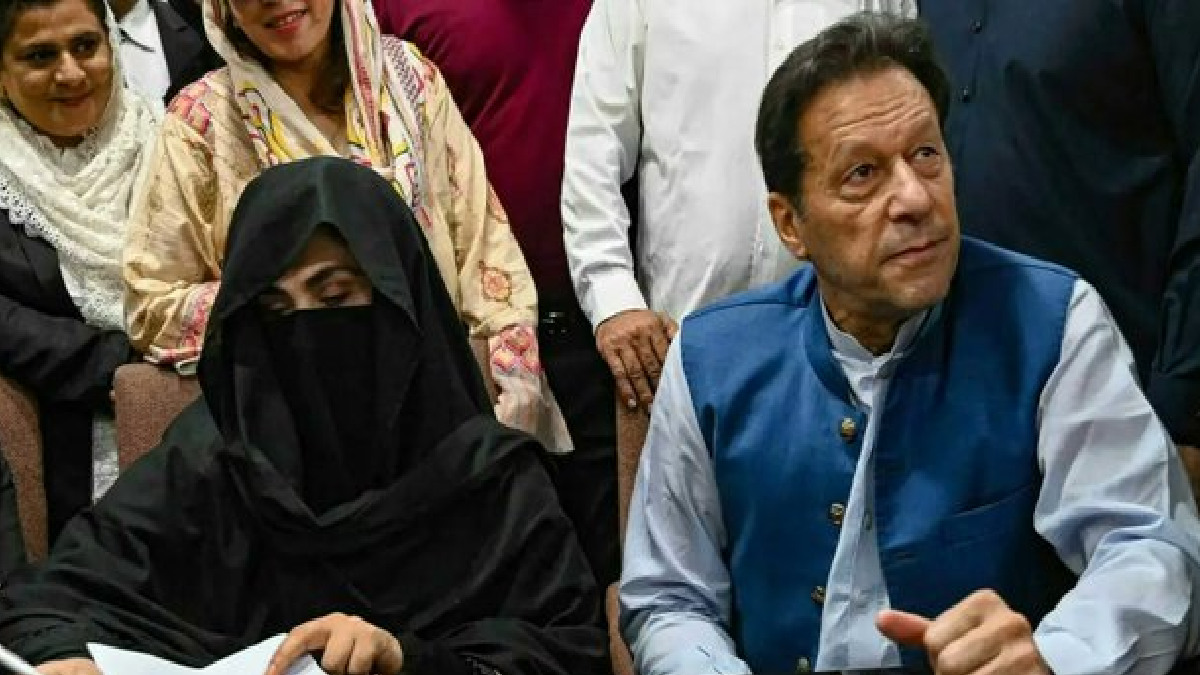
Since then, Khan has faced a number of legal proceedings and periods of detention. His supporters believe that the cases against him are politically motivated, while Pakistani authorities and political foes have denied such claims. Court cases involving the former prime minister have been brought out in the past, leading to convictions and legal challenges in many cases.
The Supreme Court order regarding his hospital transfer comes against this backdrop of legal and political uncertainty and is likely to be closely followed by his legal team, party supporters, and political opponents. How the order will be implemented depends on the hospital chosen, medical assessment, and the duration of treatment.
Medical treatment in a hospital can allow doctors to perform more detailed examinations and monitoring than can be done in prison. Hospitalization can also allow a detainee with health issues to have access to specialists and diagnostic resources. The exact nature of Khan’s health condition and the treatment offered by doctors would have to be ascertained through medical assessments, not political claims or speculation.
The development will also make PTI supporters very aware of it. Khan still has a huge political base in Pakistan, and his supporters have always made his health and detention central issues in their political messaging. Any change in his medical status may also have an impact on political debate and public opinion in Pakistan.
The situation now must be managed by Pakistan's authorities to follow the Supreme Court's directions by fulfilling the legal requirements for Khan's detention. The treatment of political prisoners and high-profile detainees at state institutions and government bodies, including courts and government officials, has all but become a point of public debate, making transparency and compliance particularly important.
The hospital transfer could also become a part of Khan’s ongoing legal process. Medical circumstances can sometimes affect court appearances, detention arrangements, and requests for temporary relief. Medical reports, if doctors decide that continued hospital care is necessary, can help his attorneys to make additional applications.
The first and foremost concern now is Khan's health and the implementation of the Supreme Court's order. After months of political and legal trouble for the former prime minister, this is a big step forward. The hospitalization is primarily medical, but as Khan's influence continues to be significant from the perspective of Pakistan’s political scene.
The development once again brings healthcare, judicial oversight, and the politics of detention into mind in high-profile cases. Imran Khan’s legal fight will continue, and his health and access to treatment will be very much of public interest. We will have to wait to hear the full picture from doctors, authorities, and his lawyers, but we surely know that his health problems are serious, and if he is transferred to hospital, what will happen in terms of his custody and the outcome.