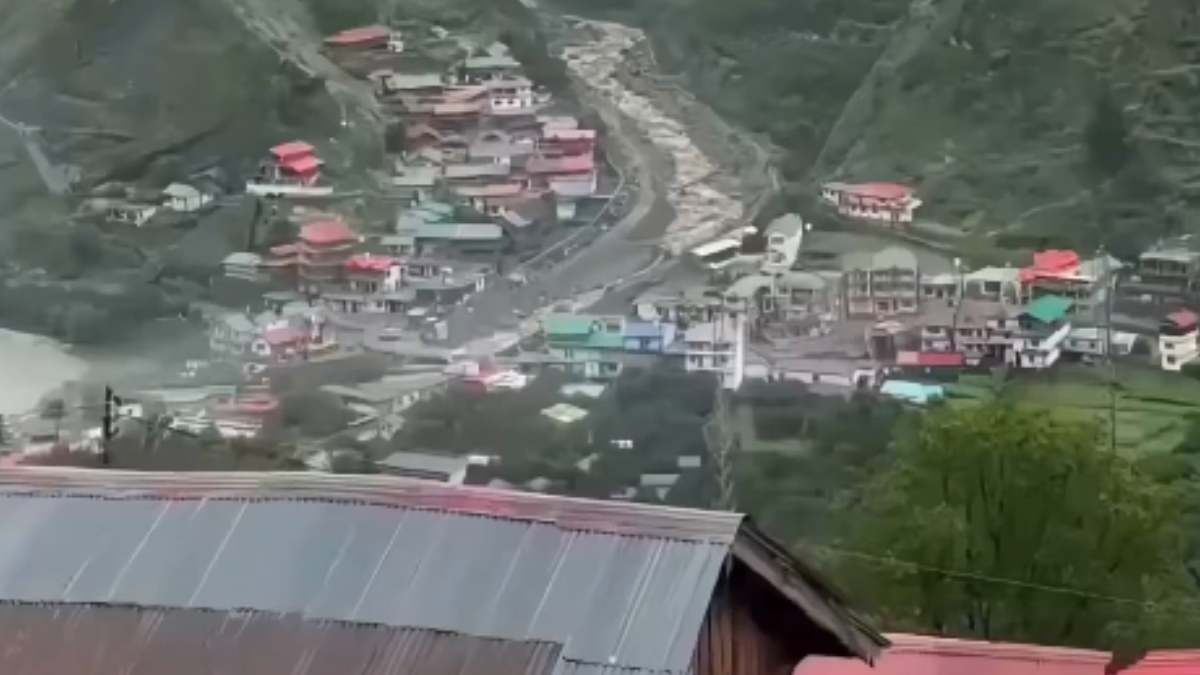
A devastating flash flood along the Nepal-China border has triggered a dispute over what caused the disaster, with early theories ranging from an earthquake to the collapse of a natural dam.
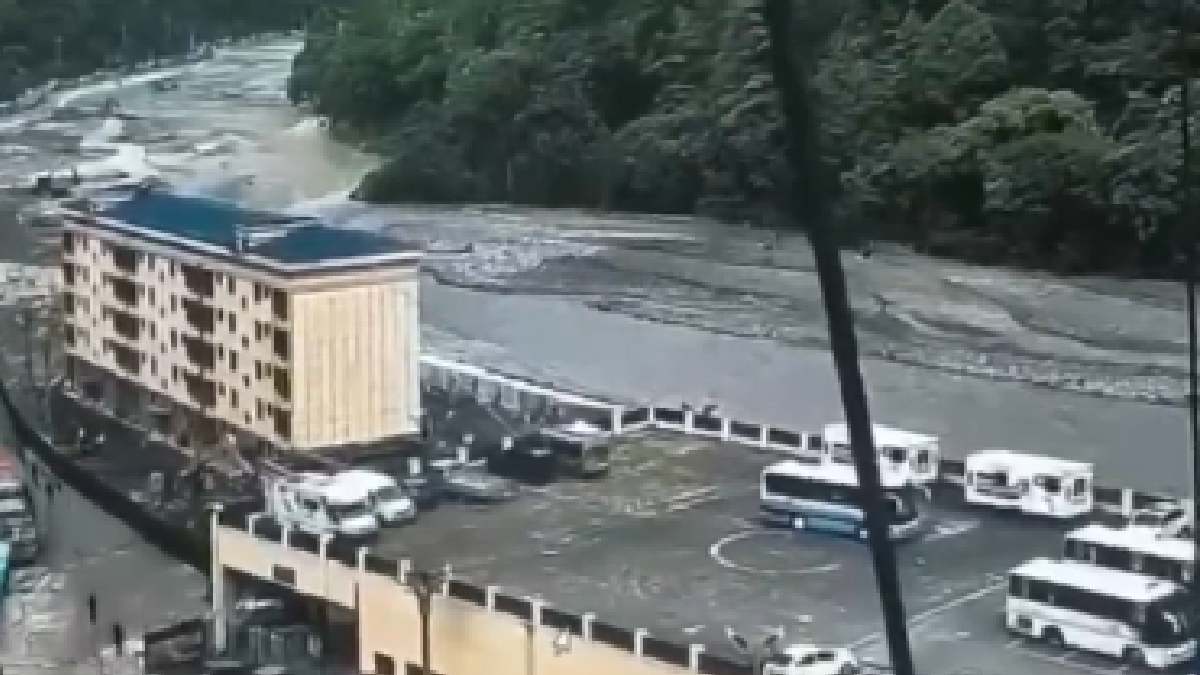
More than 170 people have been killed and hundreds more have been missing, while rescue teams continue operations in the Himalayan region.
The disaster struck on August 26 after a massive surge of water, mud, ice and rocks swept through the Lhende Khola river valley and downstream areas in Nepal and Tibet. Infrastructure was destroyed in seconds.
But the scale of the destruction has made finding the precise trigger a major focus for authorities and scientists.
What caused the deadly floods
Initial reports had suggested that a magnitude 4.4 earthquake may have triggered a landslide, which would have triggered the devastating floods. This was later revised by the United States Geological Survey.
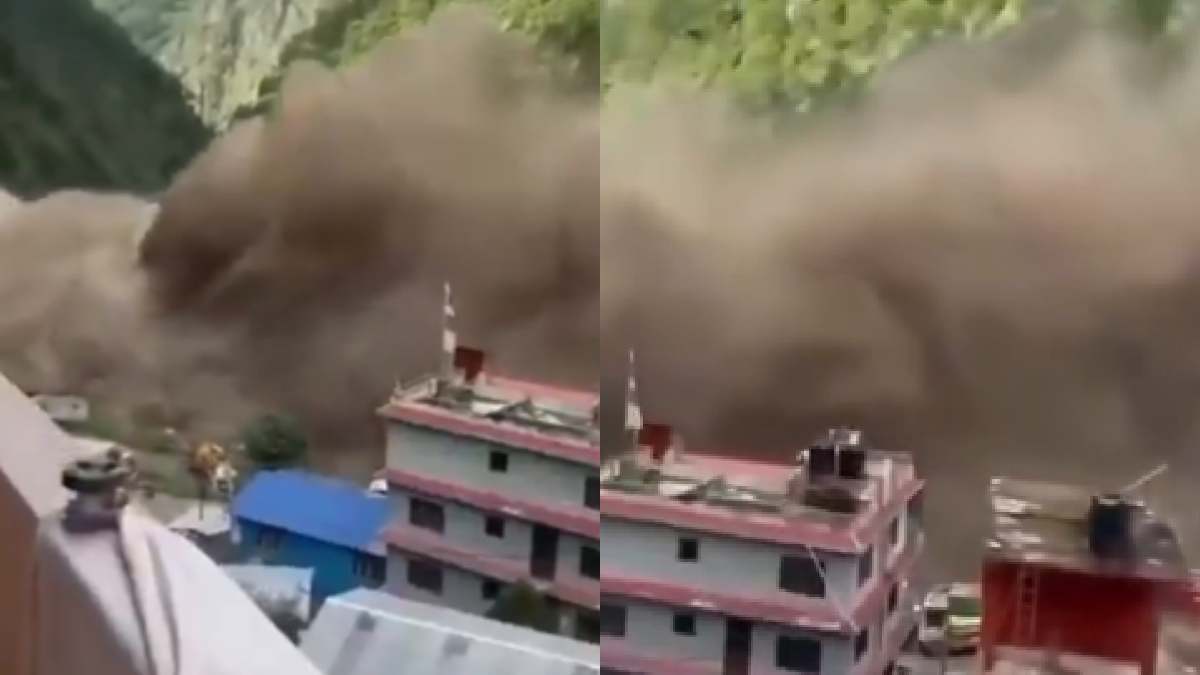
The seismic signal was generated by a glacial collapse and debris flow, not an earthquake according to the new analysis.
Satellite imagery shows that a huge portion of glacier broke apart at an elevation of roughly 5,200 metres before falling more than a mile down to the valley floor.
The falling ice and rock hit the river system and formed a temporary blockage. When that natural barrier failed, water and debris rushed downstream.
This helps explain why the flooding was so sudden despite reports that there was no significant rainfall on the Chinese side of the border.
Nepal-China blame game
While scientists are increasingly convinced of a glacial collapse, questions about the immediate mechanism have led to a dispute between Nepal and China.
Nepal suggested that a geological disaster dam on the Chinese side might have played a role in the sudden release of water.
China has denied this accusation, saying that assigning blame is not helpful and that the disaster needs to be scientifically assessed and handled jointly by the two countries.
The dispute is coming as rescue teams on both sides deal with damaged roads, heavy sediment and difficult Himalayan terrain.
A growing Himalayan danger
Experts say the disaster also points to the growing risks facing Himalayan communities as glaciers grow more unstable.
There have been multiple destructive glacial floods in recent years, and deadly flooding does not always require heavy rainfall.
For now, we believe that the evidence is more likely to be based on glacier-related ice-and-rock collapse than an earthquake.
But scientists are still puzzling over satellite images and other data to try to understand in detail the chain of events.
Huge numbers of people are still missing and rescue efforts are still being carried out; a rescue and recovery effort has to be taken to find survivors and restore access to devastated communities.
The disaster could also reignite debate on more effective early warning systems and joint operations in the Himalayan region to protect the people as well as cross borders.