The death toll from the deadly flash floods hitting Nepal's Himalayan border region has risen to at least 160 people, and hundreds more are missing, as hundreds more people are still unaccounted for in one of the country’s worst disasters in years.
Meanwhile, a total of 579 people are still unaccounted for, including 133 Indian nationals, many of whom were on pilgrimage routes near Nepal’s border with China. Rescuers have been searching for survivors in the affected areas in helicopters and with emergency personnel’s hands as hope of finding more survivors wanes.
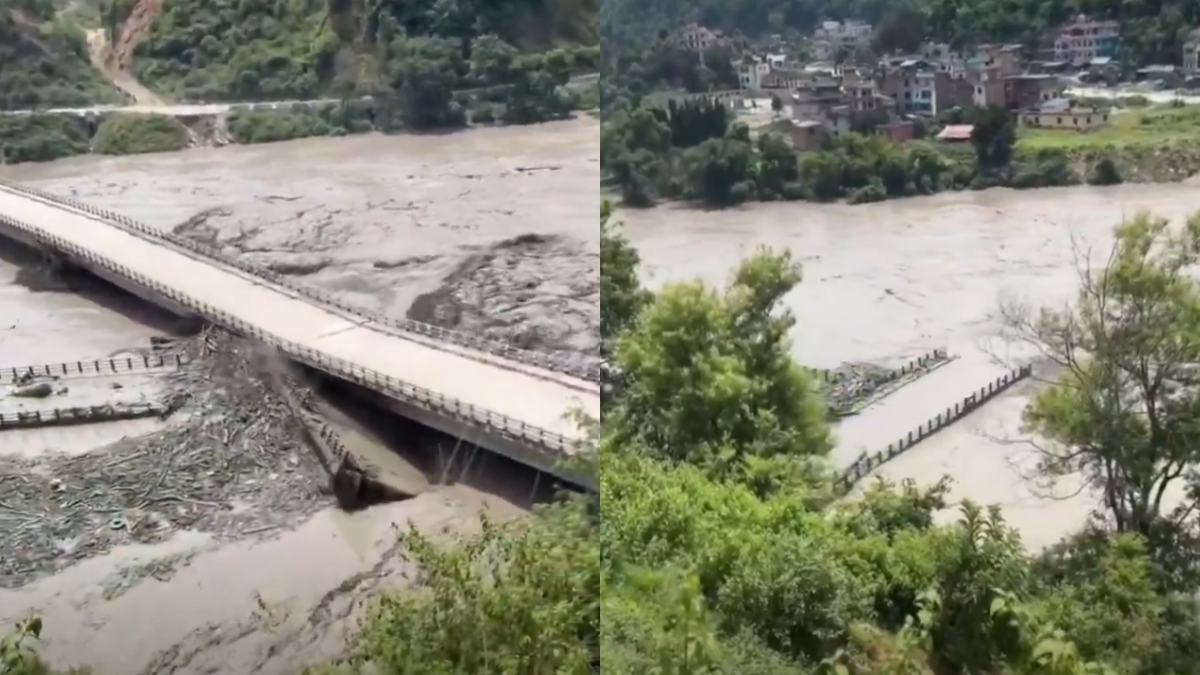
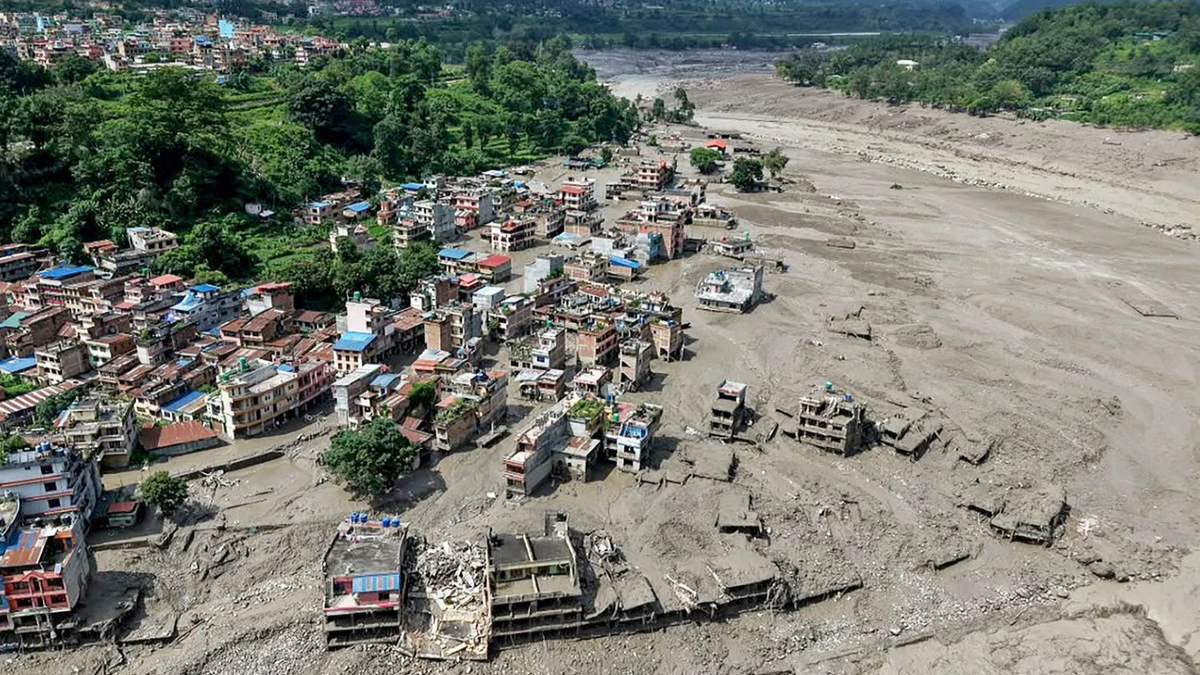
The disaster erupted after an avalanche of ice, rock and debris in rivers cascaded through river valleys in northern Nepal, sending torrents of water and mud crashing into communities in Rasuwa, Nuwakot and Dhading districts so fast that homes, roads, bridges and other vital infrastructure were destroyed. Mud and debris quickly fell down over whole communities and homes after torrents swept away vehicles, buildings and people in seconds. It was a disaster, officials said, that was not seen before, and it was very sudden.
Among the missing are 133 Indian citizens, many of whom were on the pilgrimage route that is the Kailash Mansarovar. Tourism officials said the area was packed with trekkers, pilgrims and tourists when the floods hit. Along with the Indian nationals, there are also missing foreigners from the United States, Australia, Britain, Canada and other countries. They are working with embassies and international agencies to find the missing people who are affected, they said.
The floodwaters caused widespread damage to transportation networks, hydropower plants and transportation infrastructure damage and water supply networks. Many bridges connecting Nepal and Tibet were washed away and disrupted trade and travel in Nepal and Tibet. Heavy damage to roads and access roads and other main highways and access roads has been caused by floodwater, and recovery efforts have been severely damaged, making it difficult to get to any of them. Some remote areas also lost communication systems, isolating many communities from emergency relief services.

Since then, the Nepal Army, police, disaster response teams and international aid agencies have been working on rescue operations. Helicopters have been flown to reach stranded residents and tourists trapped in remote mountainous areas of Nepal. Search teams are combing rivers and debris fields for survivors and victims. More dead bodies are likely to be found as more bodies are recovered from distant places, officials have said.
Scientists and disaster experts believe the flood was triggered by a glacial collapse and massive landslide in the Himalayas. Early satellite images revealed that large volumes of ice, snow and rock hit a river system suddenly, producing a violent flood wave down the river. The event has renewed concern about the growing threat of climate change in the Himalayan region, where warming temperatures are strengthening glacier instability and heightening the risk of extreme natural disasters.
India has already sent relief materials and humanitarian aid to Nepal. Several countries have offered condolences and offered support to rescue and recovery efforts. Meanwhile, river systems in neighbouring areas (especially in north India) are still being monitored for rising water levels and the downstream effects.
As rescue operations continue across Nepal, India, and other countries, families across the country wait anxiously for news of missing loved ones. Hundreds are missing, with communities in their midst and entire regions have been inundated; the disaster has become one of the deadliest ever from floods to hit the Himalayan region.