The disaster has put a serious damper on Nepal-Tibet border with the death toll at least 586 and more than 2,400 people still missing with search teams digging through mud, rubble and damaged infrastructure. The disaster has left communities cut off, damaged vital transport links and severely affected hydropower facilities on both sides of the border.
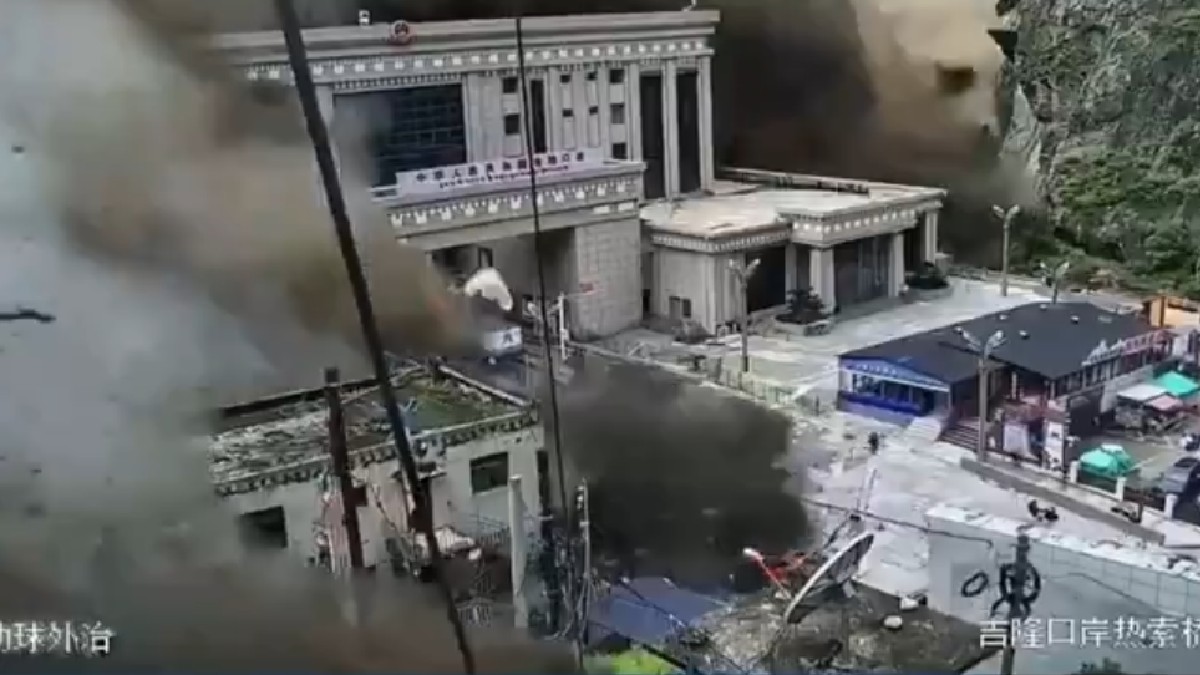
In the latest figures released on Friday, August 29, 579 people have died in Nepal and seven have been reported in China. Nepal's disaster authorities also reported hundreds of people are still unaccounted for: 517 foreigners. Rescuers are working in extremely tough conditions, searching for survivors and finding bodies in mud and debris-laden areas buried under huge amounts of mud.
The disaster stemmed from a glacial collapse and a huge debris flow through settlements and infrastructure in the affected area fast. Villages, hydropower facilities, roads and other major transport routes were affected by the sudden surge. The United States Geological Survey has described the event as the deadliest disaster to hit Nepal since the devastating 2015 earthquake.
Renewed Flood Threat Puts Rescue Teams At Risk
Rescue efforts have been complicated by the possibility of a major flood. Nepali police asked rescuers to move towards more safe areas after finding out that a water dam on the Tibetan side had burst.
Chinese authorities also temporarily suspended rescue operations in the worst-hit Gyirong region because of fears of renewed flooding. A lake formed by huge amounts of landslide debris began overflowing towards areas where emergency teams were operating based on Chinese state broadcaster CCTV reported that a lake formed by huge quantities of landslide debris had begun overflowing.
The situation later appeared to improve after the water level dropped. Rescue operations could resume in a more orderly manner, officials said, but authorities were wary of further flooding. Nepal’s Flood Forecasting Division had already warned of the threat of the accumulating water trapped behind landslide debris.
Hydropower Projects Among Worst-Hit Areas
Nepal’s hydropower infrastructure has suffered massive damage, and many workers are trapped inside tunnels during the disaster. Nepali soldiers found workers trapped in a tunnel at the Trishuli 3A hydropower project and deployed two helicopters to assist in the rescue.
Army spokesman Raja Ram Basnet said reaching the tunnel entrances remained challenging because of the scale of the destruction. More than 350 workers and residents are now evacuated to safety and an estimated 100 people are still trapped.
Survivors at other hydropower facilities have noted the suddenness and force of the disaster. Buddha Tamang, a dam tunnel worker at the dam, recalled how quickly the water and debris came. Some senior officers working elsewhere at the facility were swept away by the disaster, he said.
Seven Bodies Recovered In India
The disaster has also had consequences beyond Nepal and Tibet. Indian authorities said seven bodies were recovered from rivers flowing downriver from Nepal. They are believed to have been swept away by the powerful floodwaters before they got into India.
In Tibet, the state news agency Xinhua reported seven deaths and 554 people remained missing. Hundreds of people have also been evacuated from the affected areas, including 555 stranded tourists and 499 Chinese residents.
China has mobilized emergency personnel and equipment to assist in rescue and recovery operations. China’s President Xi Jinping also chaired a meeting on the response and offered assistance to Nepal as the two countries deal with the disaster.
Mount Kailash Pilgrims Caught In The Disaster
The disaster has also affected international travellers and pilgrims that visit Mount Kailash, one of Tibet’s top three religious destinations. Many Hindu pilgrims from different countries were caught in the disaster while returning from the pilgrimage.
Sivaranjani Muthunathan, who was travelling with a group of 56 people, described seeing a sudden wall of water and debris. They had to run quickly and head to higher ground to escape the flood.
Survivors’ accounts underscore how quickly the disaster occurred, with little opportunity for people in the most vulnerable areas to respond. Travelers, residents and workers were placed in places that were suddenly cut off by destroyed roads, flooded valleys and landslide debris.
Rescue Efforts Continue Amid Uncertainty
With thousands still missing, authorities on both sides of the border have a race against time to find survivors and recover those who may have been trapped beneath debris. The terrain is difficult, infrastructure is destroyed and flooding is still an imminent threat.
The growing death toll has made what appeared to be a regional disaster into one of Nepal’s worst natural disasters in years. As search and rescue teams continue to search, water levels and unstable debris deposits are also being monitored in coordination with emergency workers and survivors to avoid another flood.
That means getting to isolated communities, saving people trapped in damaged infrastructure and finding those who are still missing. With more than 2,400 people unaccounted for in Nepal and China, the final human cost of the Nepal-Tibet disaster could increase further as rescue and recovery are ongoing.