The Calcutta High Court’s own observation on singing Vande Mataram in madrasas was that “heavens will not fall if all six stanzas of Vande Mataram are sung in madrasas.” The statement has attracted a lot of attention as debates continue on the role of the national song in educational institutions.
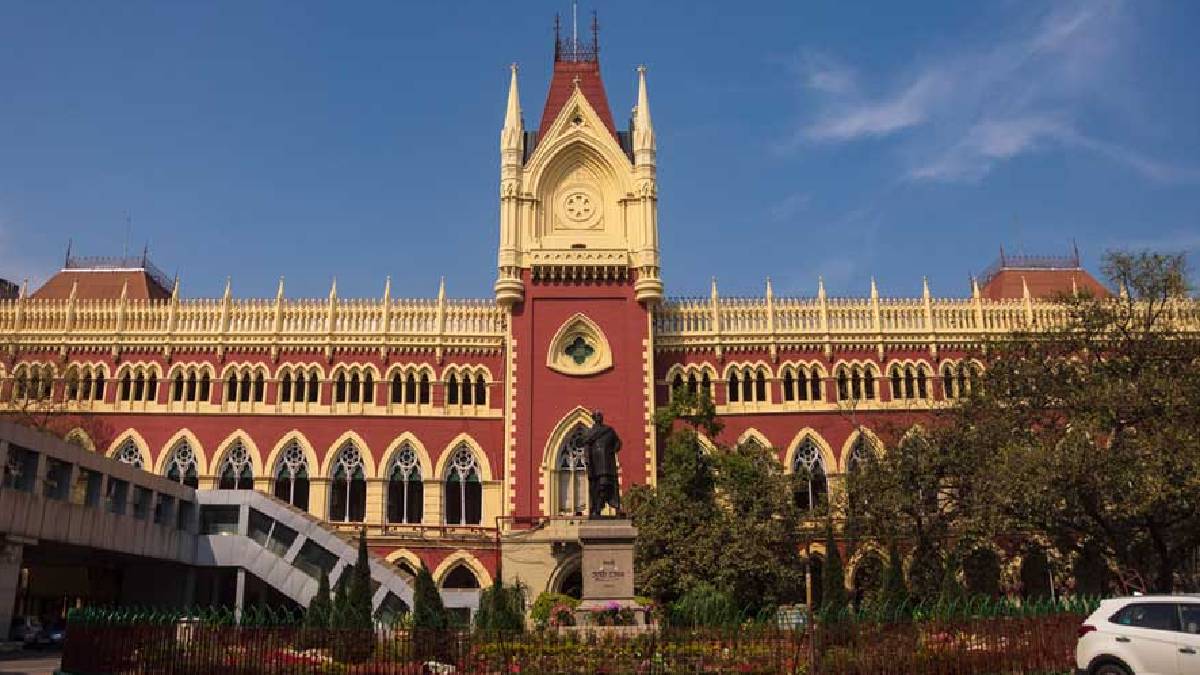
The court had made this observation during the hearing of a petition in which directions about the performance of Vande Mataram in madrasas were put in place, and they were implemented. The court observed that singing all six stanzas of the national song should not be viewed as something that would lead to extraordinary consequences.
The comment quickly became the focus of public discussion with legal observers and political commentators closely following the proceedings. But an oral observation made during a hearing and the court's final judicial order are not the same. Unless they are in the final judgment or operative directions, such remarks are not binding legal obligations.
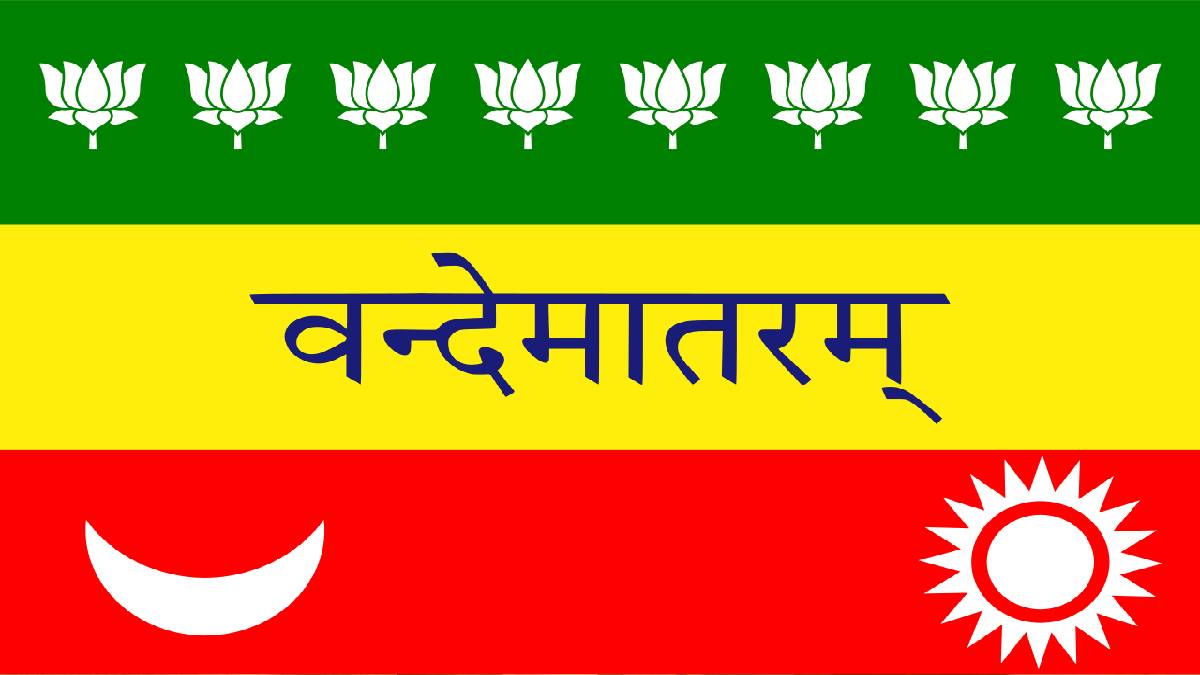
Vande Mataram, composed by Bankim Chandra Chattopadhyay, is an iconic song in India's history and freedom struggle. It has been adopted as the nation’s national song and has been seen as a symbol of patriotism and the struggle for independence. At the same time, it has also been a topic of discussion in schools about whether it should be required to be sung.
The matter before the Calcutta High Court is related to these larger questions of education policy, constitutional rights and government directives. In the hearing, the court said that singing all six stanzas of the national song in madrasas should not be seen as an issue likely to cause social disruption and made the now well-known observation.

The proceedings have once again brought back legal and constitutional discussions on national symbols in educational institutions. The Supreme Court in India has dealt with many cases of balancing constitutional freedoms and educational regulations and national values.
Vande Mataram is the heritage and freedom struggle of India, and singing it promotes patriotism and nation-building. Regardless of the management of an institution, they argue that educational institutions can be an important part of students’ exposure to the country’s historical and cultural heritage.
There have also been those who have previously voiced concern about mandatory singing of the national song based on constitutional guarantees of religious freedom as well as freedom of conscience. These divergent views have been the basis for litigation and policy debates in many states.
The Calcutta High Court will continue to hear the matter and consider the legal, constitutional and administrative aspects of it before issuing any final decision. The judgment may give an idea of whether any direction related to Vande Mataram will be made to the madrasas.
Legal experts point out that hearing judges might make a few observations about the court’s rationale, but that shouldn’t be taken as the final verdict until the written verdict is made. And so the case ultimately will come down to the court’s careful examination of the law, constitutional provisions and arguments made by all parties.
The case has generated all kinds of interest across the country because it is a case about education, constitutional rights, national identity and public policy. Whatever the ultimate verdict will be, it will certainly be part of the broader legal dialogue moving towards national symbols in India’s educational system.
The Calcutta High Court’s observation has already generated a lot of discussion in legal circles, in the education system and in the general public, and it will stay in focus until the court gives its final decision.