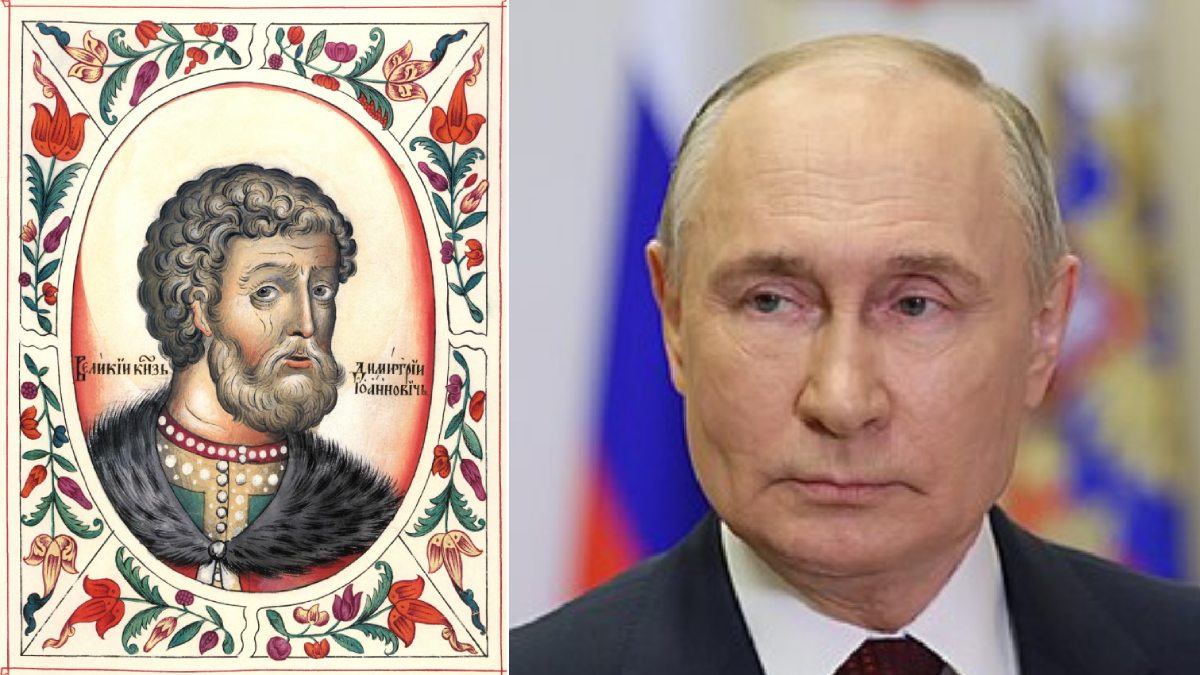
Russian President Vladimir Putin has said Russia is no threat to Japan and doesn't have territorial claims over the neighbouring country, and that the long-standing dispute over the Kuril Islands is still an obstacle to relations with Japan. His comments come at a time when Moscow and Tokyo have been feuding over Japan's sanctions against Russia following Ukraine and the unresolved territorial disputes that have prevented the two countries from signing a peace treaty after World War II.
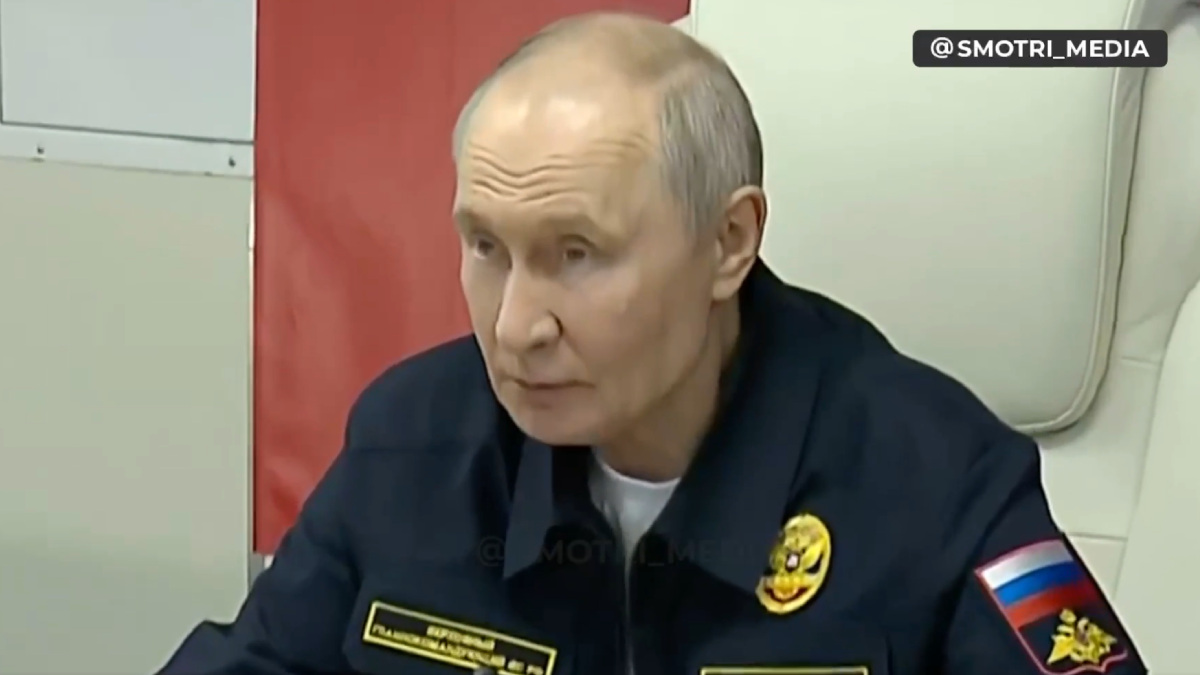
Putin said Russia is not seeking confrontation with Japan but does not want to do it at all, and Moscow does not intend to escalate its East Asian neighbour. But Japan also maintains territorial claims on the southern Kuril Islands, which Russia has controlled since World War II and Japan has held over Russia since then. The islands are called the Northern Territories in Japan and remain one of the most controversial issues facing the country's relationship with Russia and its people.
The Kuril Islands dispute centres on four islands: Iturup, Kunashir, Shikotan, and Habomai islets that were occupied by the Soviet Union in the last hours of World War II. Russia considers them part of its territory because of the peace treaties reached after the war and the historical results of the conflict. Japan insists that the islands are Japanese and wants them back. The conflict has been going on for decades and is one of the main reasons why the two countries have never signed a peace treaty ending wartime hostilities.
Putin also criticised Japan’s sanctions policy toward Russia and called the steps taken after the outbreak of the Ukraine conflict unjustified and unfriendly. From 2022, Japan has joined Western countries in imposing economic sanctions on Russian officials, institutions and sectors of the economy, and it has led to the breakdown of relations between Moscow and Tokyo.
The relations between the two countries have deteriorated significantly in recent years. Russian officials have repeatedly said that Japan’s alignment with Western sanctions has undermined efforts at dialogue. The Kremlin has said that meaningful talks on a peace treaty or territorial issues would be difficult unless relations between the two countries improve.

But Putin’s remarks seem to indicate that Russia does not regard Japan as an opponent, and that he is open to a stable relationship as long as the conditions are right. He said that Russia is more interested in the interests of the country and not war with neighbours. Russia has been trying to block any attempt to say the sovereignty of the islands is not negotiable. Russian officials have always said ownership was settled after World War II.
Japan, for its part, has said that resolving the territorial issue is the only way to reach a peace treaty with Russia. Successive Japanese governments have been trying to resolve the issue, but little progress has been made. Diplomatic efforts have become more complicated recently with Russia’s invasion of Ukraine and the resulting geopolitical tension.
Analysts say Putin’s comments show the complexity of relations between Russia and Japan is not only in the spotlight, but also that the diplomatic and economic relationship between the two countries is still a matter of significant economic and strategic interest in communication, but the interplay of territorial conflicts, sanctions, and wider geopolitical developments and the global context has been holding up the relationship and it’s not really possible to achieve a settlement.
The Kuril Islands problem is not resolved, but the political trust between them can’t be totally obliterated, and the two countries are unlikely to reach a peace treaty; the two sides don’t know if a formal peace treaty can be reached.
The unresolved dispute, as regional security dynamics change and diplomatic problems continue, is the point from which we can see that historical grievances remain relevant to contemporary international relations in Northeast Asia.