Kyiv has been hit by another wave of Russian attacks and major infrastructure has been affected in the Ukrainian capital, with attacks hitting the Ukrainian capital with heavy traffic and public transport chaos.
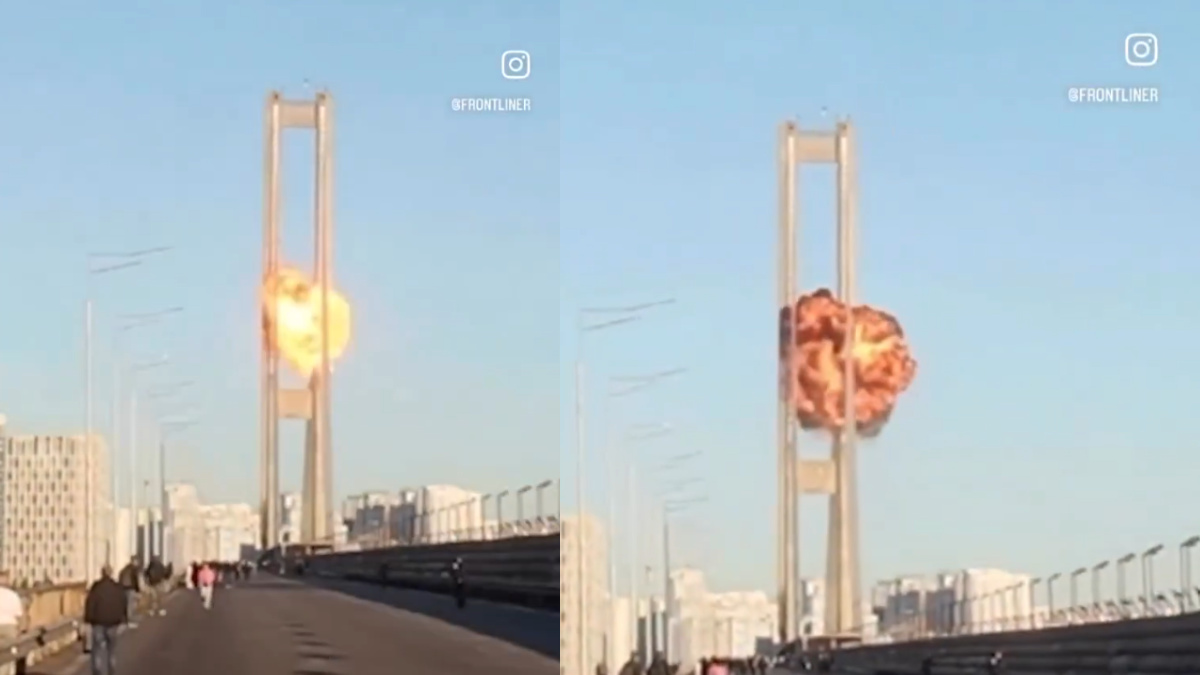
The Southern Bridge, an important crossing over the Dnipro River connecting eastern and western parts of Kyiv to the capital, has been targeted again with Russian drone attacks as the main border crossing of the city and the southern bridge was also targeted again to avoid urban areas of Ukraine has been hit.
City mayor Vitali Klitschko described the situation in the capital as “very dramatic” and warned residents that life in the city was becoming increasingly difficult as normal life in the city was getting more difficult.
The attack followed an earlier attack on the Southern Bridge on October 1, when two Russian drones hit near the bridge’s support structures. Vehicles were driving at the crossing, and a metro train was in the area when it happened. The blast wave sent dust into a metro carriage through its ventilation system, but the metro train operator and passengers were not injured, officials said. The train was then taken out of service for inspection. At the time of the attack, it was not thought the bridge had been seriously damaged.
The following day, more attacks disrupted movement across Kyiv. The Southern Bridge was closed in both directions, and all other bridges across the Dnipro were blocked. Cars and buses would be stranded; commuters were forced to try to find alternative routes or travel in the meantime. The bridges’ closure was so critical because they are the main link between Kyiv’s urban areas on the east bank and the government and commercial districts on the west.

Klitschko said the magnitude of the disruption meant Kyiv could no longer behave as if it were living under normal peacetime conditions. The mayor said the capital was in a very serious situation and used the word “the enemy is tearing Kyiv apart” to describe the effects of the attacks in comments reported Friday. His comments came amid growing concerns about the impact of repeated strikes on infrastructure that millions of residents depend on every day.
The exact moment a russian drone struck Kyiv’s Pivdennyi Bridge yesterday — with civilians walking across it.
— UAVoyager🇺🇦 (@CrimeanVoyager) October 3, 2026
This wasn’t just an attack on infrastructure.
Civilians were right there.
The world must see this. pic.twitter.com/H5PkJhBLTv
The bridge attacks were part of a larger series of strikes on Kyiv. Russian drones also hit a school in the capital where pupils and teachers were sheltering when the attack occurred. The building was damaged, and a fire was reported, but no injuries to students and staff were reported because they were in a shelter, authorities said. There was also damage reported to non-residential and infrastructure facilities in the city.
The repeated attacks have raised questions about Kyiv’s ability to maintain transport and essential services as Russia continues its air campaign. Reports indicate that Russia has increasingly used faster, jet-powered drones, which can be more difficult for Ukrainian air-defence systems to intercept. The attacks have also come as Russia is attacking the energy infrastructure of Ukraine, and the city security challenges are increasing as the winter season approaches.
The Southern Bridge is of more importance than just road traffic. Kyiv is bordered by the Dnipro River, and much of the city's population lives on the eastern bank, whereas most of its jobs and major institutions are on the west side. The bridges are so critical to people’s lives- for example, public transportation, business and emergency services- and disruption to that effect is immediately felt. The recent closures highlighted how quickly one attack on one piece of infrastructure could cause widespread disruption across the capital.
The attacks have also compounded an already difficult security situation in Kyiv. Residents of the capital have received frequent air-raid alerts and drone attacks in recent weeks and spent long periods in shelters. The latest strikes have focused more on infrastructure and the vulnerability of essential services. Ukrainian officials have called for stronger air-defence capabilities as Russia continues to attack from the air.
The situation is still fluid, and authorities continue to assess damaged infrastructure and change transport based on security conditions. A Russian air attack also struck another bridge over the Dnipro, the Northern Bridge, and damaged parts of the road surface and trolleybus cables on October 3. There were no injuries, and traffic was suspended while emergency crews were on site.
As Russian attacks continue to harm Kyiv’s bridges, schools, energy facilities and other infrastructure, residents are facing growing disruption to everyday life. The repeated strikes have transformed transport over the Dnipro into a significant problem for transport across the Dnipro and transport over all of Kyiv is now a major headache, as city authorities are trying to keep the basic infrastructure of Kyiv’s bridges, schools and other infrastructure operating without interruption as people go back to work in their city, to make sure that essential services are not only to go to the city and people are not only not only to be interrupted but the transport services, but also that the people of Kyiv’s lives are getting destroyed.