A major technical failure in the UK’s air traffic control system triggered widespread travel disruption on Tuesday, with more than 600 flights cancelled and thousands of passengers left stranded across the country. The outage hit some of the UK’s busiest airports, London Heathrow, Gatwick, Stansted, Manchester, Birmingham, Edinburgh, Glasgow and Aberdeen, as well as international flights (including between India and the UK).
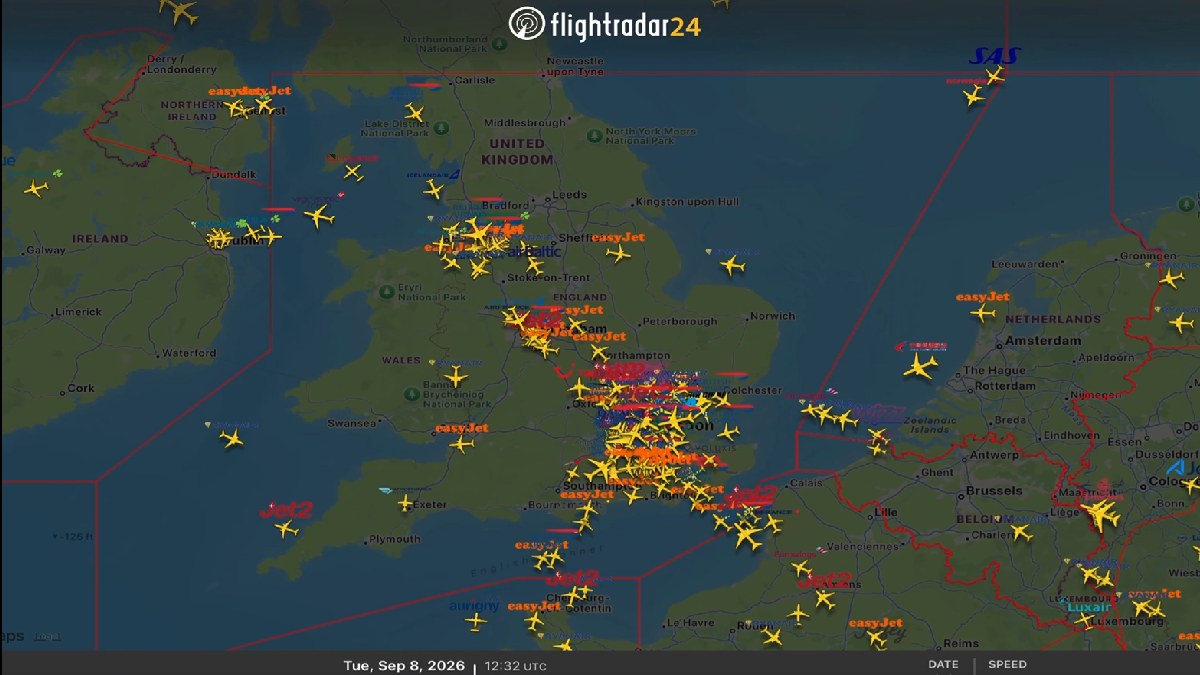
By Tuesday evening, at least 625 flights had been cancelled, FlightRadar24 said. More would be added as airlines adjusted schedules. Among the worst-affected carriers were easyJet (218 cancellations), British Airways (132) and Ryanair (97). Others affected included KLM, Eurowings and others; all had to cancel or delay multiple services due to the disruption.
The problem was a technical fault in the flight processing system operated by National Air Traffic Services (NATS), which manages air traffic across UK airspace. NATS first reported that there was a technical problem with flight departures before confirming that a fault in its flight processing system had significantly reduced its ability to manage air traffic efficiently and safely.
The airspace in the UK remained open throughout the incident, but the technical problem caused air traffic controllers to limit flight movements so airport operations, airline schedules and aircraft rotations all got out of sync. Flights were delayed or cancelled; aircraft and crew were left off position; complications continued long after the technical problem was fixed.
London Heathrow (Europe’s busiest airport) saw some of the worst disruption: 100 flights were cancelled, and hundreds more had lengthy delays. Gatwick Airport also reported significant delays and cancellations. Manchester Airport (along with Stansted and East Midlands airports operated by Manchester Airports Group) was hit hard as airlines struggled to keep schedules on track.

It wasn’t just in Britain. Several inbound flights were held at airports across Europe while others were diverted to cities like Brussels, Amsterdam, Paris and Düsseldorf. Passengers waited long times, didn’t know what was happening or where they stood as airlines tried to cope with the situation as it changed by the minute.
As of 1700 UTC, 625 flights have been canceled at airports in the UK following an earlier technical problem at NATS’ Shanwick ATC facility.
— Flightradar24 (@flightradar24) September 8, 2026
easyJet: 218
British Airways: 132
Ryanair 41
KLM 37
Eurowings 22 pic.twitter.com/4hHZYmjFJv
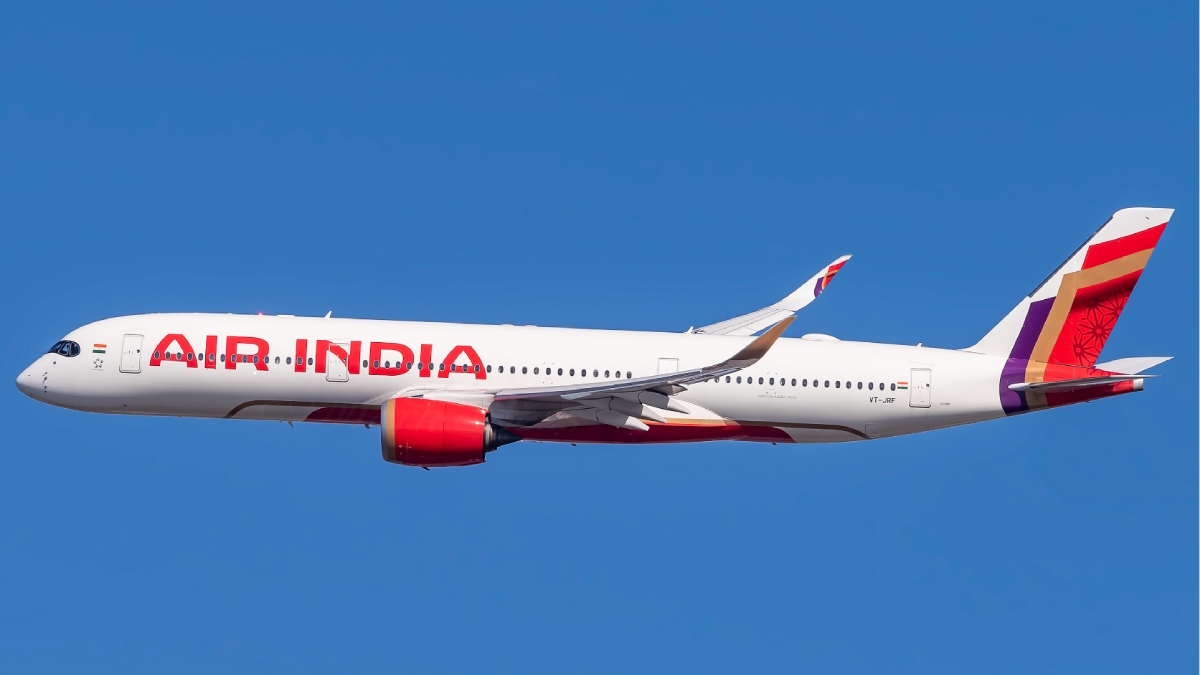
Long-haul travel was also affected routes from the UK to India in particular. Heathrow is a major hub for flights between India and the UK (Air India and British Airways operate multiple flights daily between London and Indian cities such as Mumbai), and passengers on those routes were delayed, or schedule changes were made, so airlines and airport authorities advised travellers to check live flight status before heading to the airport.
Later in the day, NATS said engineers had fixed it, and that affected systems were recovering but that it would take time to return them to normal because of the backlog of delayed and cancelled flights. Recovery work was expected to continue into Wednesday as airlines repositioned aircraft and crews.
Several airlines criticised the incident. Ryanair said more than 65,000 of its passengers were affected and demanded NATS Chief Executive Martin Rolfe’s resignation as repeated system failures have shown “continuing weaknesses in UK air traffic infrastructure”. Wizz Air also complained: “Recurring disruption at a national service provider is not acceptable”.
Airlines are working to get schedules back on track, but passengers are being asked to check official airline communications and confirm flight status before travelling. The technical problem has apparently been resolved, but the impact of one of the biggest recent air traffic disruptions in the UK will be felt for days to come.