A massive food adulteration racket has been exposed in Maharashtra after authorities discovered that nearly 2.3 crore litres of synthetic milk were produced using toxic ingredients like Nirma detergent powder.
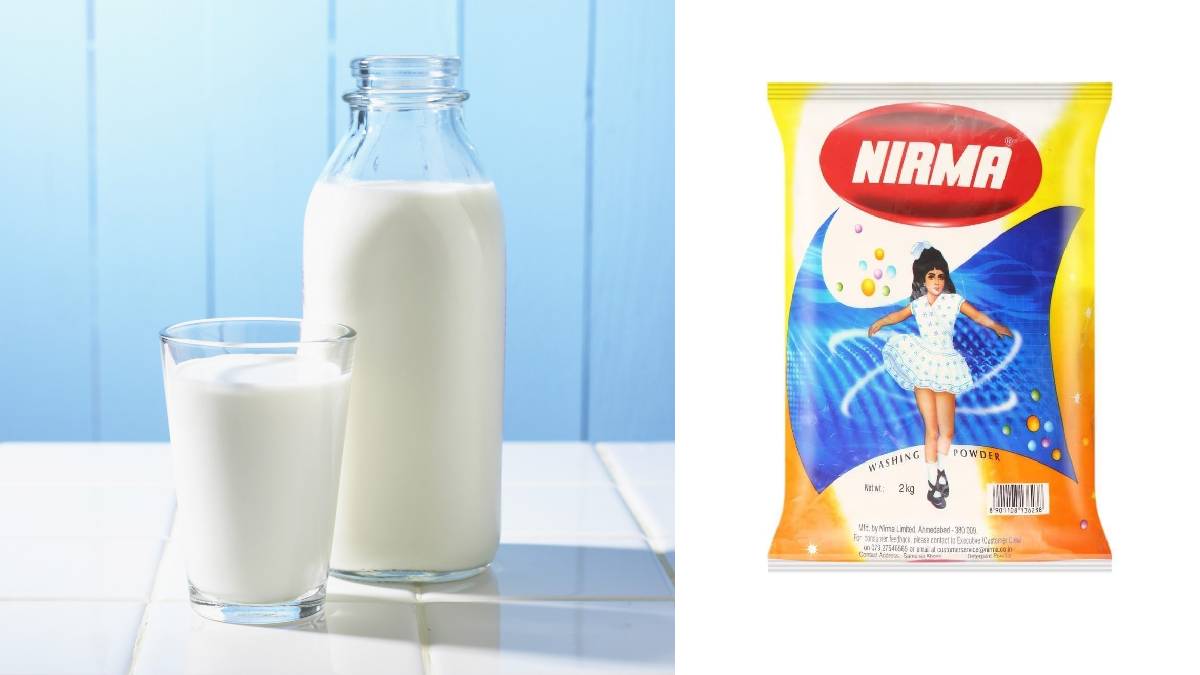
According to officials investigating the case, the accused were allegedly making fake milk by mixing detergent powder, refined oil, starch, urea, glucose, and other chemicals with water to mimic the appearance, taste, and texture of real milk. Then the synthetic mixture was sent through local distribution networks (to homes, tea stalls, sweet shops, and other food businesses).
The authorities believe the operation had been running on a large scale for a long time, and millions of litres of synthetic milk had already reached the market. It’s one of the largest milk adulteration cases ever reported in recent years, with 2.3 crore litres.
Detergent powder in synthetic milk is particularly concerning because detergents make fresh milk look foamy. And they help emulsify oil and water. But these are not meant for human consumption and are harmful to your health.

Health experts say synthetic milk with detergents and industrial chemicals can lead to digestive disorders, nausea, vomiting, food poisoning, kidney complications, liver damage, and long-term health problems. Children, pregnant women, and elderly people are especially vulnerable because milk is at the heart of their daily diet.
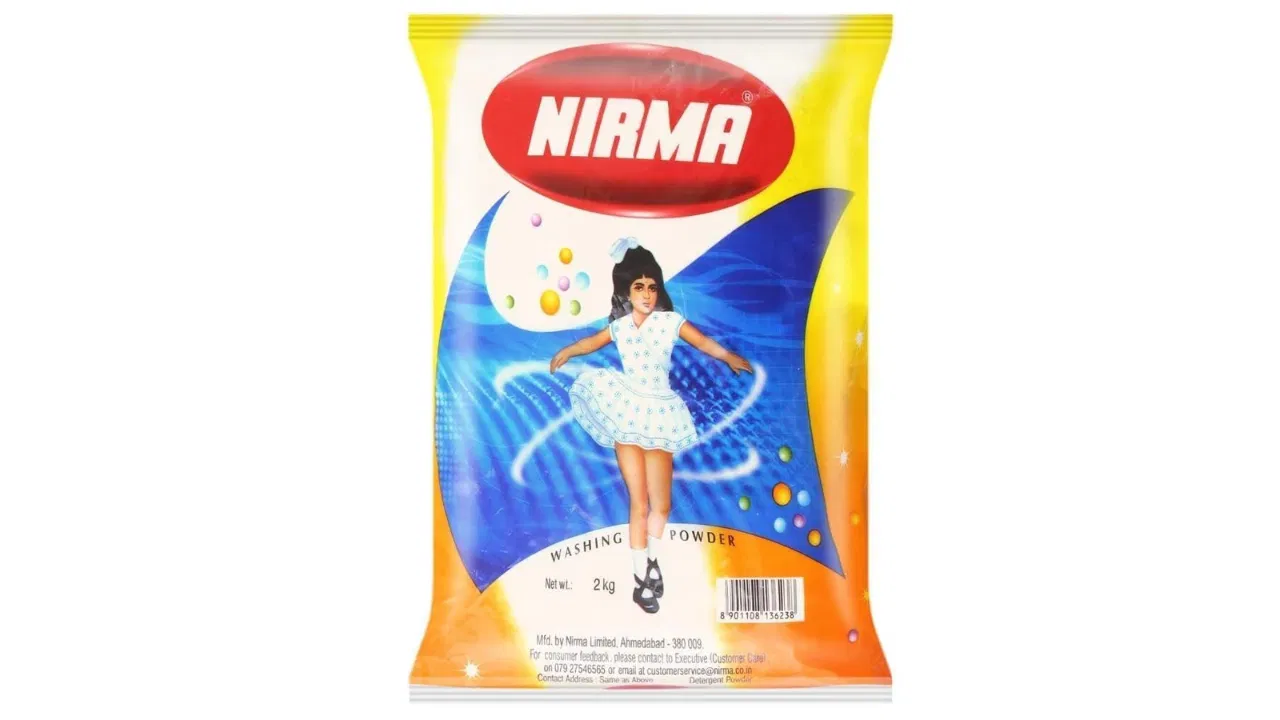
Investigators seized huge quantities of raw materials, including detergent powder, chemicals, edible oil, mixing equipment, and storage containers, from many of the racket locations. Testing has been conducted on samples to verify the chemical composition and whether they violated food safety laws.
Officials have also initiated legal proceedings against those who are allegedly involved in the manufacturing and distribution network. Also, suppliers, distributors, and retailers are being sought. The synthetic milk is believed to have been moved across districts or state borders.
The recent incident has intensified the problem of food adulteration in India. Milk remains one of the most adulterated food products because of the high daily demand and relatively easy distribution network. Criminal networks often take advantage of this to make money by producing fake dairy products at a fraction of the cost of real milk.
Food safety experts have recommended that consumers only buy milk from trusted brands and licensed vendors. Home tests cannot check for every adulterant, but consumers should be on the lookout for milk that has strange foam, strange odors, abnormal texture, or inconsistent taste. Any adulteration suspicion should be reported to local food safety authorities as soon as possible.
The Maharashtra government is expected to beef up inspection of dairy units and milk collection centers following the discovery. Regulatory agencies will also have to monitor, conduct surprise raids, and increase laboratory testing to prevent similar incidents in the future.
Most consumer groups have also called for tougher penalties against those involved in food adulteration, as such crimes directly endanger public health. Public awareness campaigns are critical for consumers to understand the risks associated with synthetic milk and identify suspicious products, and are said to help them to take action.
This apparent synthetic milk racket shows the need for strong food safety enforcement. And as investigations continue, the entire supply chain of adulterated milk will be dismantled in order to bring those who produced and distributed adulterated milk to justice.