New Delhi: When a 42-year-old patient died hours after a ceiling fan fell on him while he was receiving treatment at Delhi's Guru Teg Bahadur Hospital, there were serious doubts on infrastructure and patient safety after that.
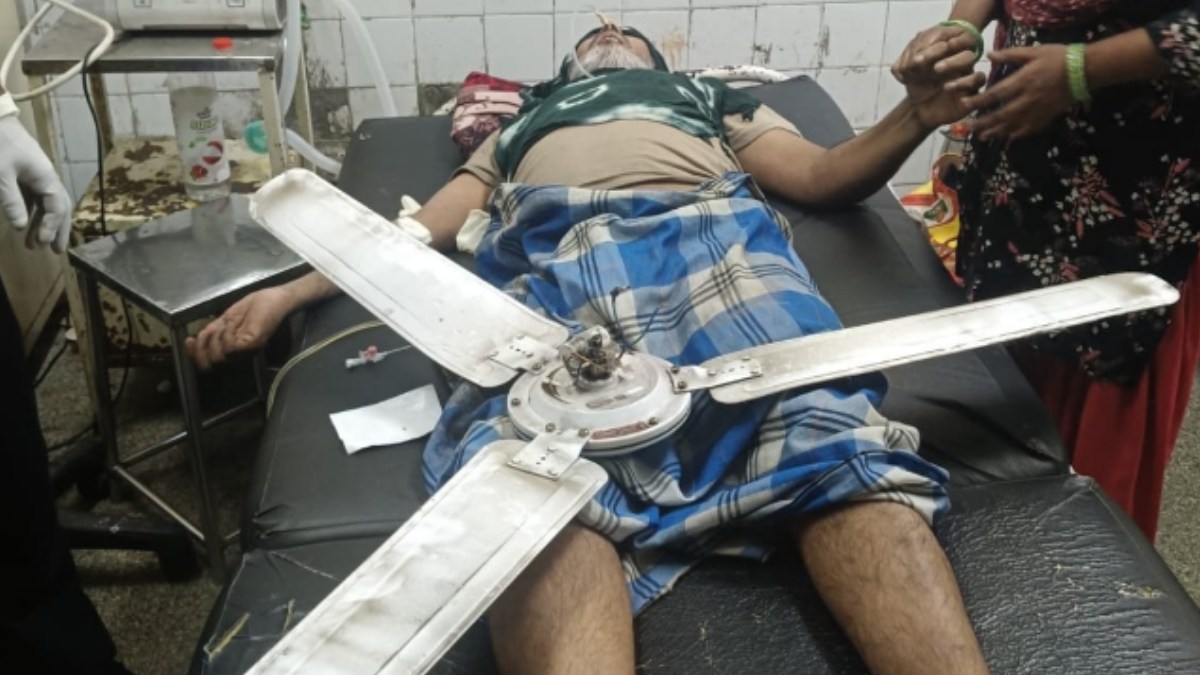
The patient was admitted to a ward of the government-run hospital when the ceiling fan broke free from its mounting and fell onto him, hospital officials said. The accident triggered panic among the patients, attendants and hospital personnel who rushed to help the injured man.
Medical personnel took instant action and shifted the patient to emergency care. Despite receiving medical attention, the 42-year-old died hours after the incident. The cause of death is expected to be determined by medical professionals according to the prescribed medico-legal procedure.
The incident has raised questions about the maintenance of public healthcare infrastructure, particularly in high-footfall government hospitals that serve thousands of patients every day. Relatives of the deceased expressed shock and called for a thorough investigation to determine how such an accident could occur in a medical facility.
Hospital officials have acknowledged the incident and said that an investigation was initiated. The ceiling fan had mechanical failure, maintenance protocols were followed and no negligence was involved, they said.

Police visited the hospital after receiving information about the incident. A case has been registered, investigators are collecting evidence, including statements from hospital staff, patients, eyewitnesses, and maintenance personnel. Structural problems or poor maintenance can also be reasons why the fan collapses; technical experts will also check its mounting and how that fan works.
Government hospitals in India are serving a high volume of patients and regular maintenance of buildings, electrical systems and medical infrastructure is critical for patient safety. Many experts say inspections of ceiling fans, lighting systems and electrical installations are essential to avoid accidents.
Healthcare professionals stress that hospitals should not only provide high standards of care but also a safe physical environment for patients, visitors and staff. To avoid maintenance schedules, structural audits and timely repair of aging infrastructure are the key components for the hospital administration, they say.
The incident has also led to discussions about the need for regular infrastructure assessment in public health facilities. Safety experts say hospitals need to do full inspections of ceilings, electrical connections, support brackets and other overhead equipment, particularly in older buildings where wear and tear may cause equipment failure; such inspections should be done in many older buildings.
Patient rights advocates have called for more accountability and stronger monitoring mechanisms to ensure that healthcare facilities are safe for everyone. They say that infrastructure failures in hospitals can harm public confidence in the healthcare system and expose vulnerable patients to unnecessary risks.
🚨 A man entered Delhi's GTB Hospital seeking treatment. He never made it home.
— Kailash Vashi (@KailashVashi) July 20, 2026
Mohammad Akbar, 42, was lying in the emergency ward when the ceiling fan above his bed reportedly came crashing down on him. He later died.
A hospital is meant to save lives—not become a source of… pic.twitter.com/kpCSv2za3f
The inquiry will establish the circumstances of the accident and to what extent administrative or technical lapses occurred, officials said. Where there is negligence, appropriate action will be taken in accordance with applicable laws and service regulations.
Hospitals will also have to check similar facilities in the other wards as a precautionary measure, they say. The inspections are to identify dangers and prevent such incidents from occurring in the future.
The tragic death of the patient has once again highlighted the importance of safe healthcare infrastructure and quality health care. As the investigation continues, the authorities will need to review maintenance practices and take corrective measures to raise patient safety standards at the hospital.