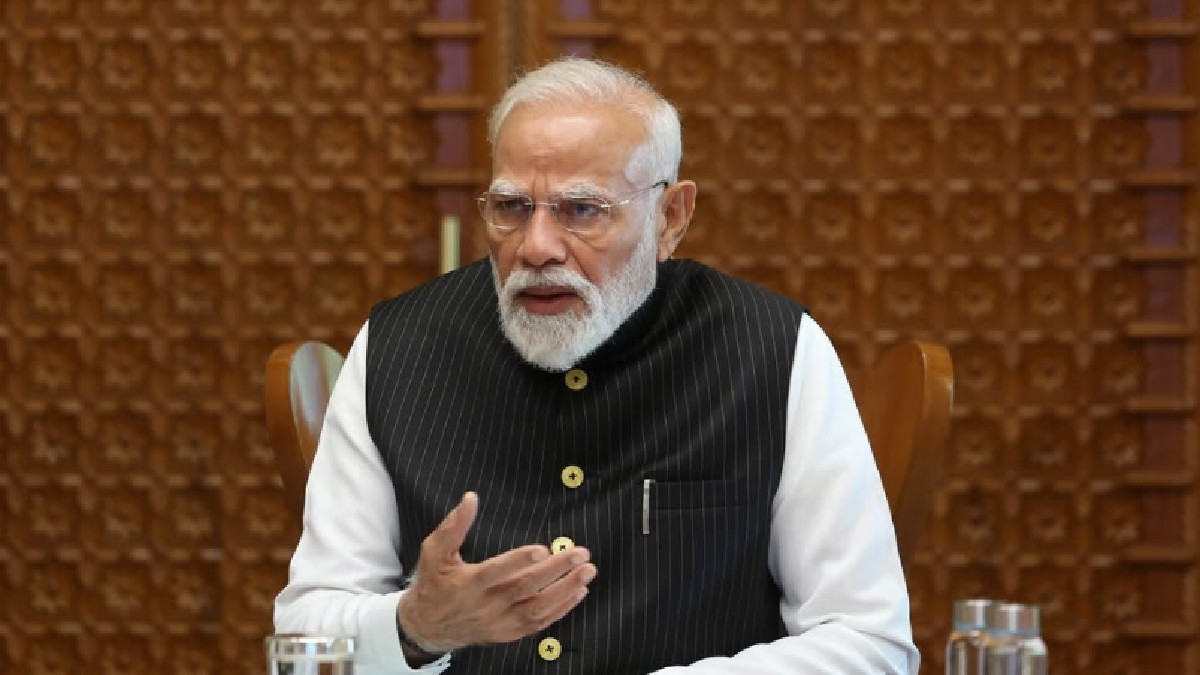
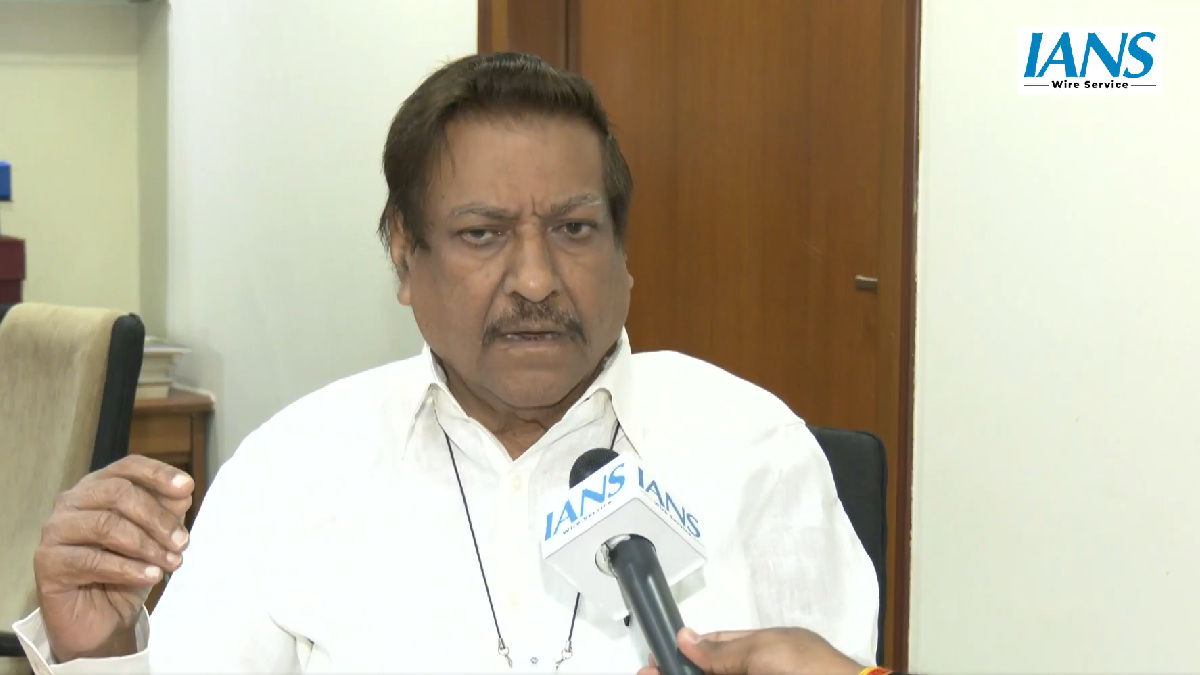
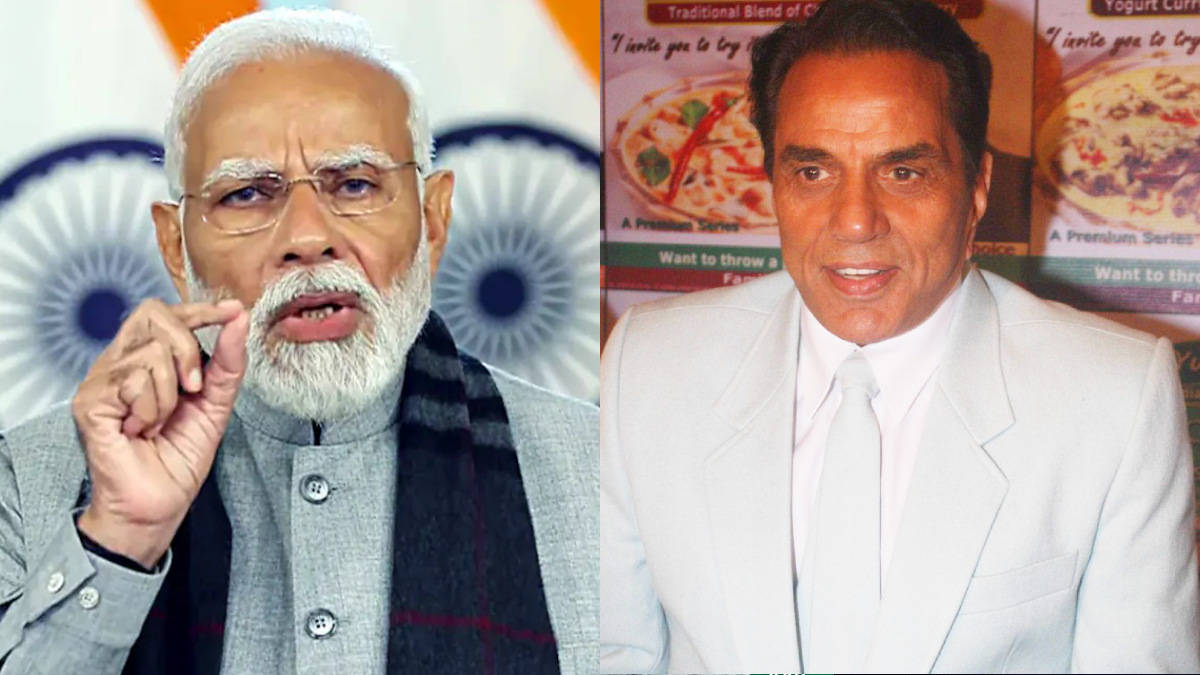
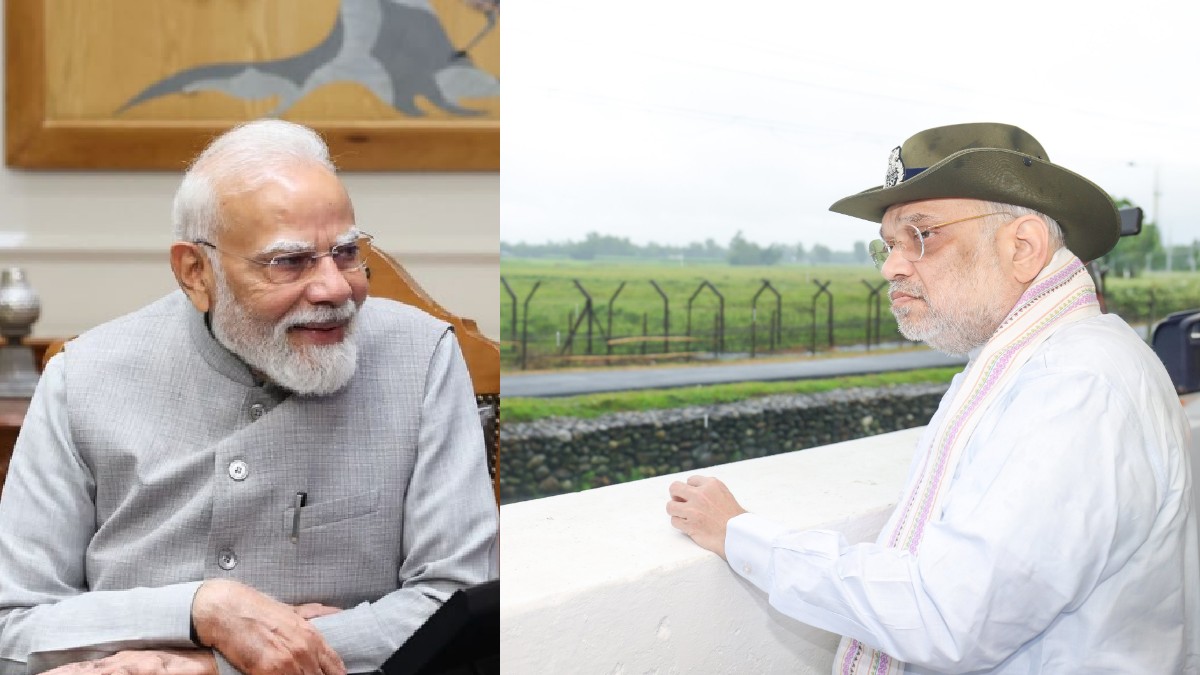
A recent political survey showing 51% of Indians do not want Narendra Modi to become Prime Minister again has reignited the current political debate over the current political scenario of India and the possibility of a leadership contest ahead of the Lok Sabha elections in 2029.
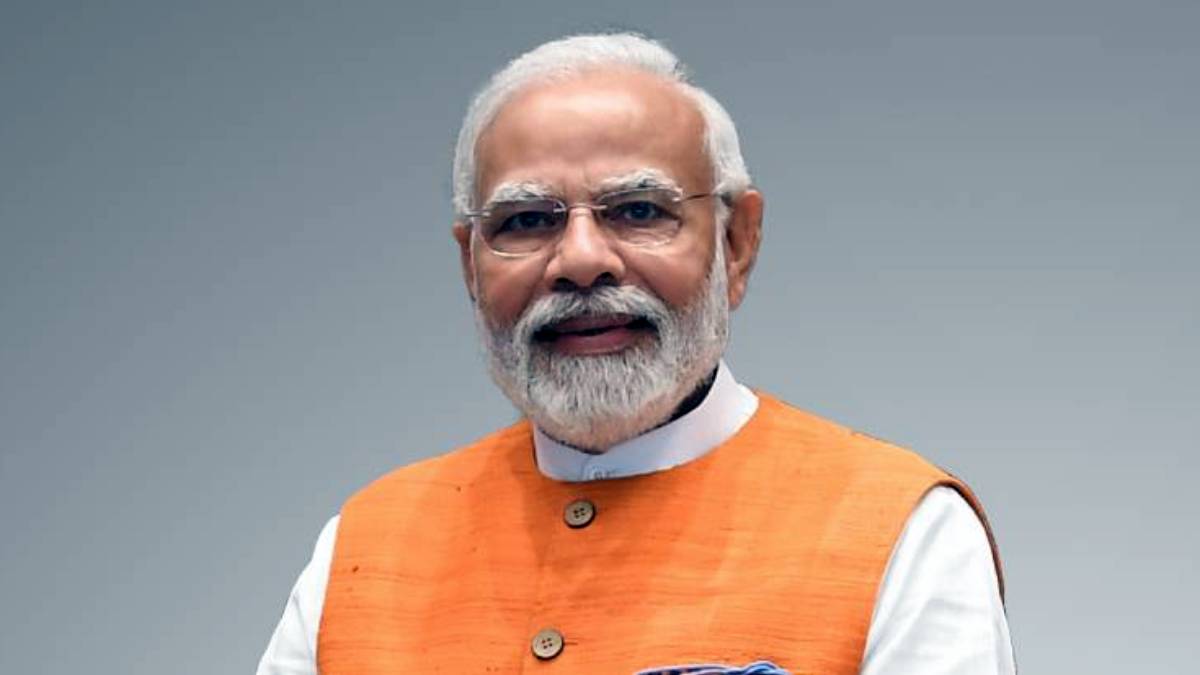
The figure indicates that a majority of respondents do not favour another term for Modi, and this might reflect changing voter opinion and competition over who should lead the country in the next general election. However, the figure should be taken into account based on the survey or report from which it was derived and not be taken as an election prediction.
Narendra Modi has been one of the most dominant political figures in Indian politics over the last decade. He became Prime Minister in 2014 when the Bharatiya Janata Party won a majority in the Lok Sabha and returned to office in 2019 with another strong mandate. His government went on to serve another term after the 2024 general elections.
The Lok Sabha election in 2029 is still some time away, but political discussions over the next Prime Minister have already begun. The 51% figure adds to that discussion, and leadership preference can become a factor in the national elections, particularly when the number matters.
A figure that more than half of respondents do not want Modi to return would indicate that there is a lot of demand for an alternative leadership option. At the same time, it is important to understand who those respondents prefer instead. Saying that their vote doesn’t support one leader does not mean all those voters are in agreement with the current opposition leader or political alliance.
India's political landscape is very diverse, with voter preferences differing significantly between states, regions, communities, and demographic groups. National opinion figures can therefore hide large differences in local political sentiment.
The research also comes as we are seeing leaders who could play a bigger role in national politics. Rahul Gandhi as Congress leader and several regional leaders are the most prominent opposition figures in their respective states.
New political personalities, for example, have worsened the national leadership debate. Tamil cinema star-turned-politician Vijay has built his political profile through the Tamilaga Vettri Kazhagam (TVK). His popularity has already raised questions about whether his political influence will eventually extend beyond Tamil Nadu.
For the BJP and its allies, the big challenge will be to retain political support and deal with what is most important to voters. Economic growth, employment, inflation, welfare programmes, infrastructure, national security and governance will be key themes as the country moves on to the next general election.
For the opposition, it can be very difficult to convert discontent with the current leader to support for a different one. Opposition parties need to be able to not only have a credible candidate for leadership but to form electoral alliances, to have effective campaign strategies and to convince voters they can give stable governance.
That is why the 51% figure might be seen as an indicator of sentiment, not a prediction of the outcome of the 2029 election. Political preferences can very much change over the course of several years. Major economic developments, government policies, state elections, political alliances and unexpected events can all affect voters’ behaviour.
The distinction between “not wanting Modi again” and “actively supporting another candidate” is key. If 51% of the respondents have a preference against another Modi term, the next question is how that group is divided among opposition parties and undecided voters?
The answer could have immense implications for the future political strategy of the ruling alliance and the opposition. A fragmented opposition vote, for instance, can lead to a quite different electoral outcome from one in which voters coalesce around a single opponent.
A change in public sentiment, in turn, can’t necessarily translate into changes in parliamentary seats. India’s first-past-the-post electoral system means that the votes among different constituencies are crucial. So regional alliances and state-specific political factors also play an important part in deciding the outcome.
However, the reported figure is likely to spark a great political debate. Modi’s leadership has been central to Indian politics since 2014, and any indication of a fall-off in support for that government will be closely watched by political parties, analysts, and voters.
With the country slowly heading toward the Lok Sabha elections in 2029, questions of succession and voter preferences will become more prominent. The 51% figure is a rough snapshot of the debate at the start, but political and economic trends will be at play before voters are asked.
For now, the report has added another talking point to India’s political conversation: 51% of respondents reportedly do not want Narendra Modi to return as Prime Minister, raising questions about the strength of support for the incumbent and the ability of other candidates to convert public opinion into electoral momentum.
But the outcome will not be determined by an early opinion figure but by voters at the ballot box when the next general election takes place.