India has made a significant conservation achievement with the population of Asiatic lions rising from 523 in 2015 to 891 in 2025. The increase is a significant step in the country’s efforts to preserve one of its most iconic wildlife species and underlines the importance of long-term conservation measures, habitat conservation and community involvement.
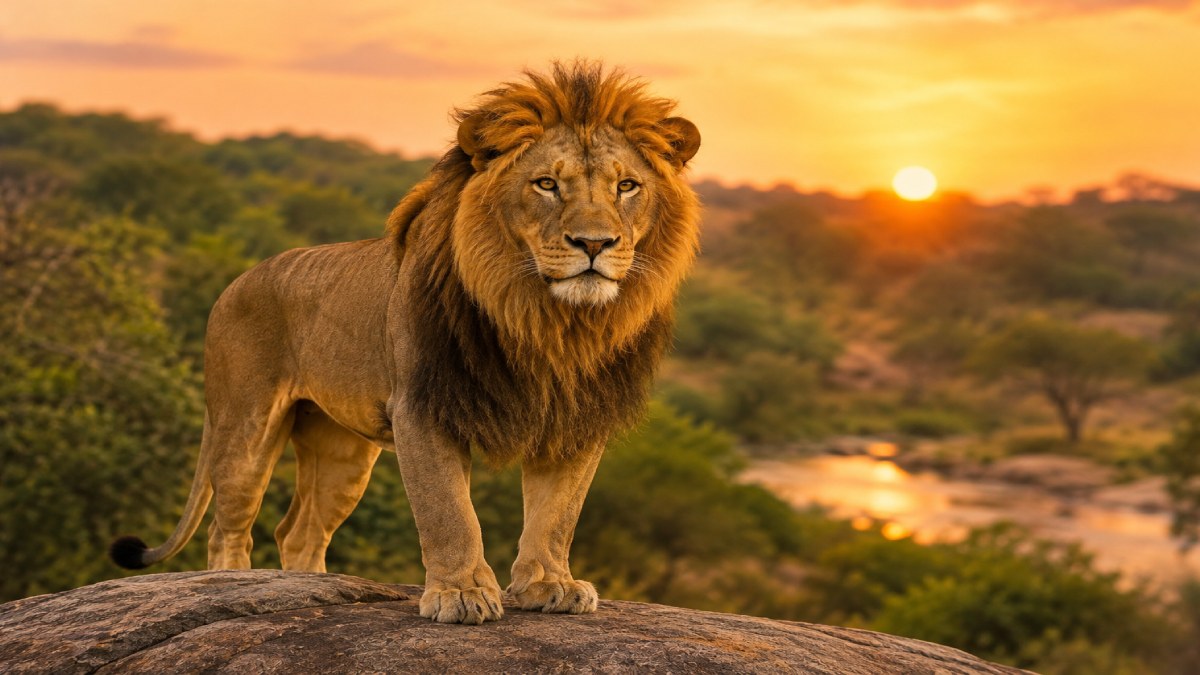
In the last decade the Asiatic lion population has increased a lot. Besides the increase in numbers, the lion habitat and range have also grown from around 30,000 square kilometres in 2015 to over 35,000 square kilometres by 2025.
The development is significant because Asiatic lions are one of the world’s most important big-cat populations and have experienced significant conservation challenges. India is home to the only wild population of Asiatic lions, so the conservation of their habitat and genetic diversity is a national conservation priority.
The expansion of population shows the impact of conservation. Wildlife protection efforts are generally based on habitat management, monitoring, protection from threats, veterinary assistance and the reduction of human-wildlife conflict. Healthy ecosystems have to be maintained because lion populations need habitat and prey resources.
The lion range is also expanding and increasing from a relatively small area of about 30,000 square kilometres to nearly 35,000 square kilometres which indicates that more territory is being filled in and the species is gaining protection from the region. More habitats should be created for a larger range of wildlife, but also effective wildlife management and management of the wildlife with local people are more important.
On World Lion Day the conservation progress is also an opportunity to underscore the importance of protecting wildlife beyond population numbers. Conservation of the forest, grasslands and other ecosystems that support animals and their prey is a function of managing the environment. It also means that the people living in wildlife habitats should be able to live in harmony with animals and sustainably.
The growth of the Asiatic lion population is so much more than just a statistical thing. It is a product of years of conservation planning, field-viewing and the maintenance of suitable habitats. The involvement of local communities is important as people living near wildlife areas are directly impacted by changes in animal populations and movement patterns.
As lion populations grow, conservation agencies have the continuing dilemma of generating enough habitat and managing population growth. Wildlife corridors, habitat restoration and scientific monitoring can all be key to allowing animals to move safely between suitable areas.
Another priority is to minimize human-wildlife conflict. As wild animals expand their range, interaction with communities may be more frequent. Prevention actions, public awareness, rapid response systems in the worst case of the disaster will be crucial in order to keep conservation and livelihoods in balance.
The 2025 population of 891 also provides new hope for protection of the species in the future. Conservationists and authorities will have to work to increase numbers - and keep populations healthy and ecosystems healthy in the long run.
India’s Asiatic lion conservation story is particularly interesting because it shows how sustained protection can achieve measurable results over time. From 523 lions in 2015 to 891 in 2025 is a big jump and it is a hopeful story of wildlife recovery.
The lion's expansion from about 30,000 square kilometres to more than 35,000 square kilometres adds a further positive element to the story. Collectively these numbers indicate a recovery of population and habitat growth.
World Lion Day is an opportunity to recognize this progress and to remind people that conservation is a perennial problem. Conservation of lions will need more investment in wildlife habitat, scientific research, anti-poaching measures, veterinary care, community engagement and sensible land-use planning.
India’s biodiversity protection extends well beyond the Asiatic lion. There are many species in the country’s ecosystem - many of them dependent on healthy forests, grasslands, wetlands and other natural habitats. Conservation efforts can therefore have benefits that extend to the whole ecosystem.
The rapid growth of India’s Asiatic lion population from 523 to 891 in a decade is a conservation triumph story. The lion’s range is growing and so is the conservation of wildlife and the cooperation between authorities, conservationists and communities.
What is now the world’s lion and we all know that we need to take care of it in order to thrive in the future. Conservation of the Asiatic lion will need to be sustained and biodiversity conservation and coexistence between wildlife and people will have to be a necessity.