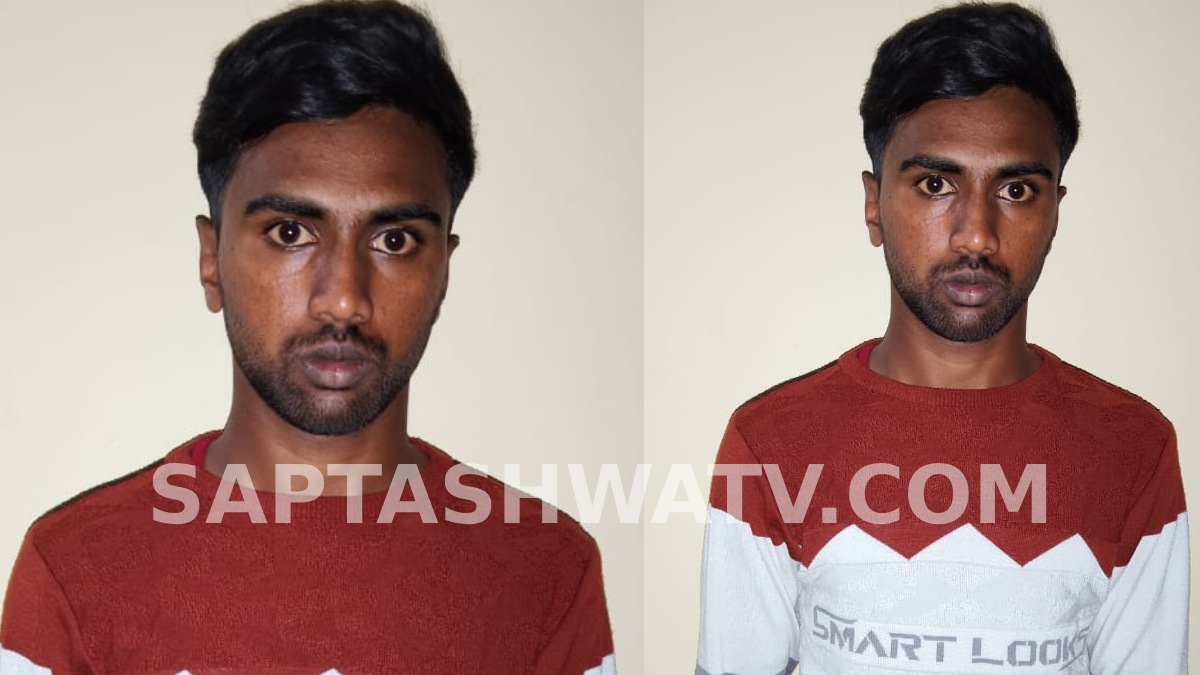
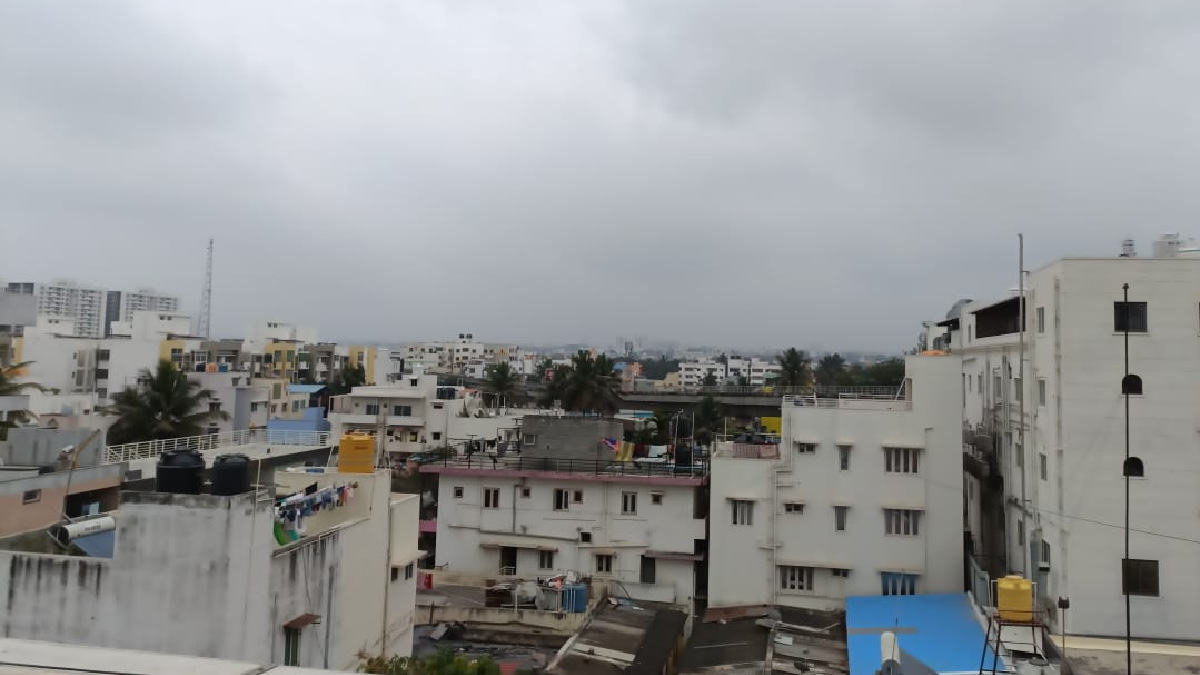
The city's popularity comes amid a mounting controversy over illegal Bangladeshis especially who are said to live in the city with complete Indian id papers. Virally trending tweets said Bangladeshi residents of Chittapur were given Aadhaar by making a ₹1500 bribe. These individuals reportedly used those documents to obtain bank loans reaching ₹4.5 lakh and make EMI purchases for vehicles. The tweet featured the image of three men and Kannada text regarding the suspect being illegal immigrants, leading to widespread worry and protest.
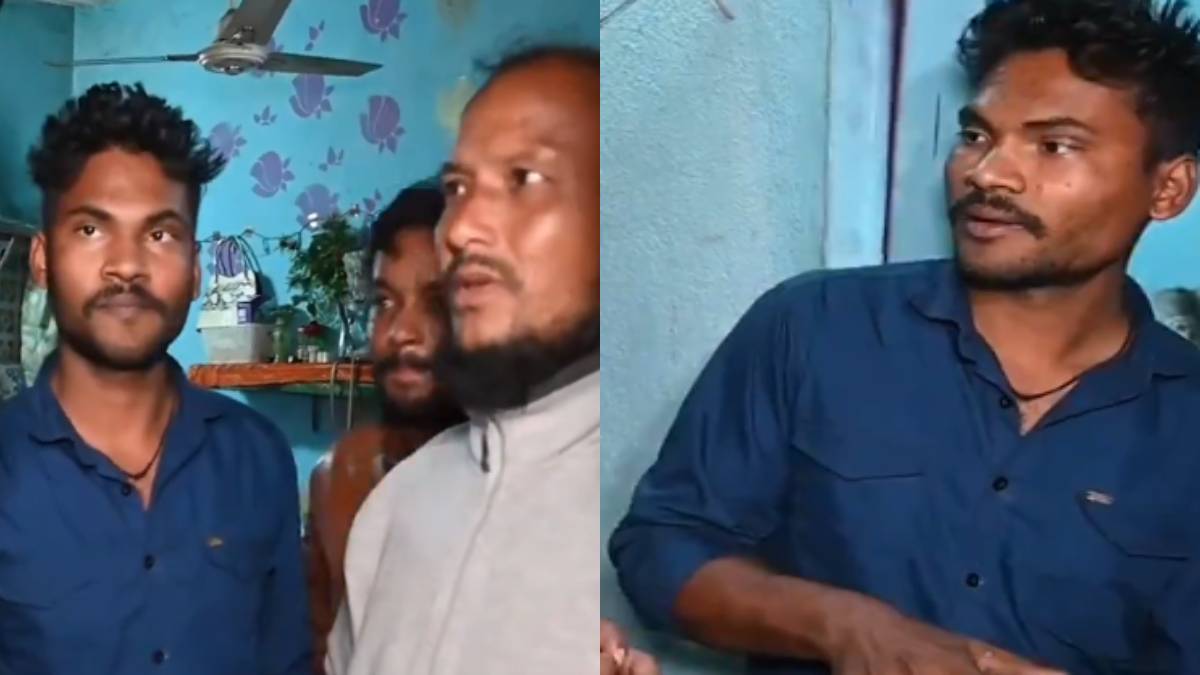
After the viral post, Bengaluru police cracked down and arrested 16 Bangladeshi nationals from Hebbagodi. Research showed that these individuals arrived in India via Kolkata and paid ₹25,000-50,000 worth of agents in order to procure forged Aadhaar and voter ID cards. They allowed them to enroll in government services, set up bank accounts, and obtain loans. The arrests have launched new investigations into how such documents were issued and how such documents were created have opened up and the nature and origin of their authorship.
Is India a free Dharamshala?
— Team Hindu United (@TeamHinduUnited) January 15, 2026
Bangladeshi citizens are living in Bengaluru with voter IDs, Aadhaar cards, ration cards, driving licences, and bank accounts.
They obtain Aadhaar cards for just ₹1500 bribes & even get bank loans worth lakhs, as well as vehicles on EMI. pic.twitter.com/9H3byQ9kev
Fake documents are obtained and appear to be structured and regular. Agents help immigrants fake identities with phony papers, and take advantage of gaps in a verification system, the agency has claimed. Aadhaar cards attached to biometric data are not being verified. A good number of people have Aadhaar and will then be able to submit ID, ration card, driving licence and even account data as a part of their state-provided documents. As a result, a fictitious identity that looks perfectly legal on paper proves hard for the authorities to spot.

This creates a huge threat to public safety and government. People with phony identities can move freely, vote in elections and reach sensitive areas. The threat of financial fraud is exacerbated when individuals take loans under false names and never repay them, affecting banks and taxpayers. It takes the valuable resources that would otherwise be available to citizens, and then those resources go to illegal immigrants and this undercuts government services. Additionally, if the system is used inappropriately and local communities do not feel secure, or are treated unfairly, social tensions can be raised.
Gov Parameshwara of Karnataka says Aadhaar verification is being established, while illegal immigrants will be deported. He also advised that the citizens must not take those actions on their own and report if they think there is a chance of some criminal activity to the police. The government now has its sights set on enhancing identity verification measures and cracking down on agents in the business of forgery of a document.
A number of steps need to be taken to deal with this problem. Aadhaar and other pieces of identity will only come through robust verification. We must identify and punish agents who create fake documents. Public campaigns must help citizens identify and report fraudulent activity. We need to increase border control at entry points in places like Kolkata and institute legal reforms to stop identity systems from being misused. This is an illustration of what is called a systemic vulnerability where the identity is not just in the hands of individuals but is on whole networks: a culture of exploitation.
It also presents Bengaluru’s city boom as a window of opportunity but a target of illegal activity. The government has to move swiftly to keep its systems safe, and citizens have to stay awake. At the same time, however, dealing with the cause is also important with kindness. Many immigrants are escaping poverty or crime, but regulations should be followed to maintain fairness and safety for them all.