Central government is preparing to strengthen India's legal framework against examination malpractice and question paper leaks, with proposed amendments to the Public Examinations (Prevention of Unfair Means) Act, 2024, sources tell us.
The move comes as questions about leaky question paper leaks and unfair competitive exams have been spreading, and students and job aspirants in the country have protested it.
But sources said the government is looking at changes to the anti-cheating law as well as amendments to the existing anti-cheating law to make sure that it was able to prevent organised malpractice and make it more effective against organised malpractice, and accountability in the examination system. The proposed amendments should be taken up for approval at a Cabinet meeting on Friday.
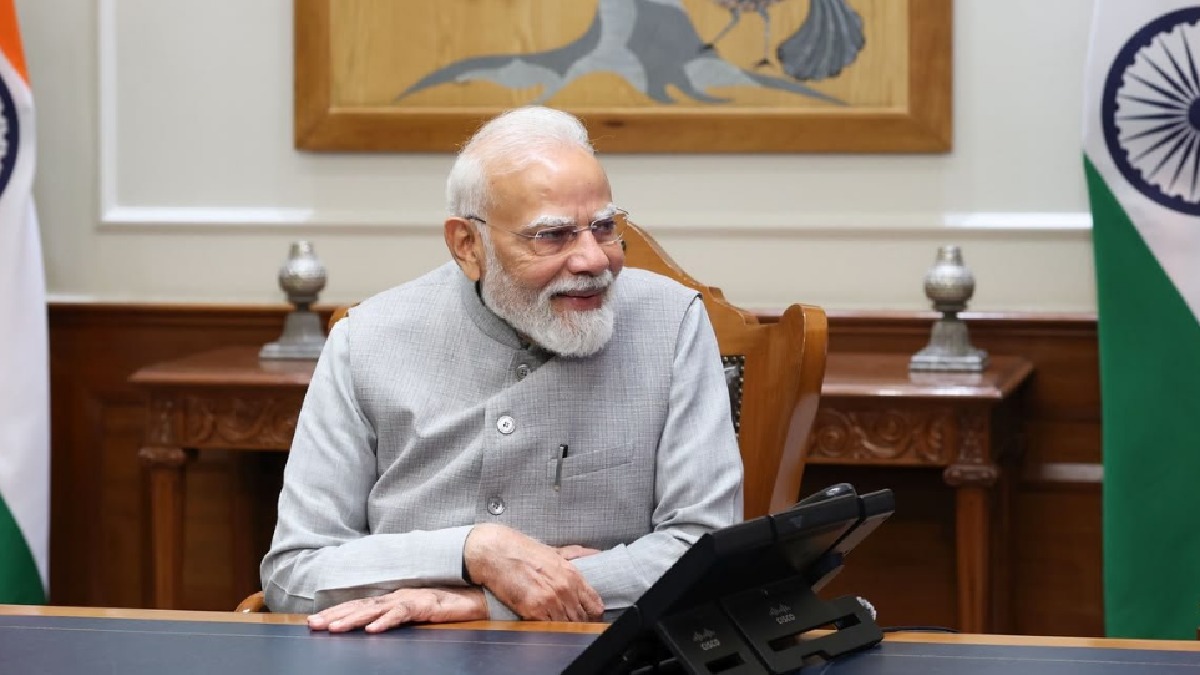
The development occurred hours after Prime Minister Narendra Modi had addressed examination paper leaks in a video message. The Prime Minister's words of concern are in line with the government’s reported plan to beef up the law and address concerns surrounding high-stakes exams, they said.
The Public Examinations (Prevention of Unfair Means) Act, 2024, was written for the purpose of criminalising unfair practices of public examiners (as well as competitive examinations administered by central government bodies). The purpose of the act was to establish a stronger deterrence against organised cheating networks, paper leaks and other forms of malpractice.
The amendments will also enhance the existing legislation and strengthen it. The details of these changes are not yet public but the government is likely to look into how it can enhance enforcement and hold people and organisations responsible for examination malpractice to account.
The issue of paper leaks has become a very political and public concern in recent years. Students and aspirants who are preparing for exams (recruitment tests and entrance exams) have always voiced their worry about leaks and irregularities in their careers.
A paper leak may be enough to force the authorities to call off or postpone an examination and thousands or even millions of students remain uncertain after months of preparation. Such incidents can also impose additional costs for candidates as well, in particular for those who must travel a long distance to appear for a test and spend significant amounts on coaching and preparation.
The move to amend the anti-cheating law has come as the government is under pressure to regain confidence in the examination system. Opposition parties and student groups have consistently sought better accountability and stronger safeguards against leaks.
If approved by the Cabinet, the proposed amendments could be one more step in the government’s drive to strengthen the legal response to examination malpractice. Then the changes would have to pass through the legislative process before becoming law.
The exact nature of the proposed amendments and any additional powers or penalties they may bring would become clearer once the government formally announces the decision.
The government’s move reflects growing recognition that preventing paper leaks requires more than post-examination investigations. To ensure students and job aspirants’ interests are protected from this kind of leaky paper, the need to secure law enforcement and audit examination systems more robustly, with greater technology and accountability, will be critical in the future.