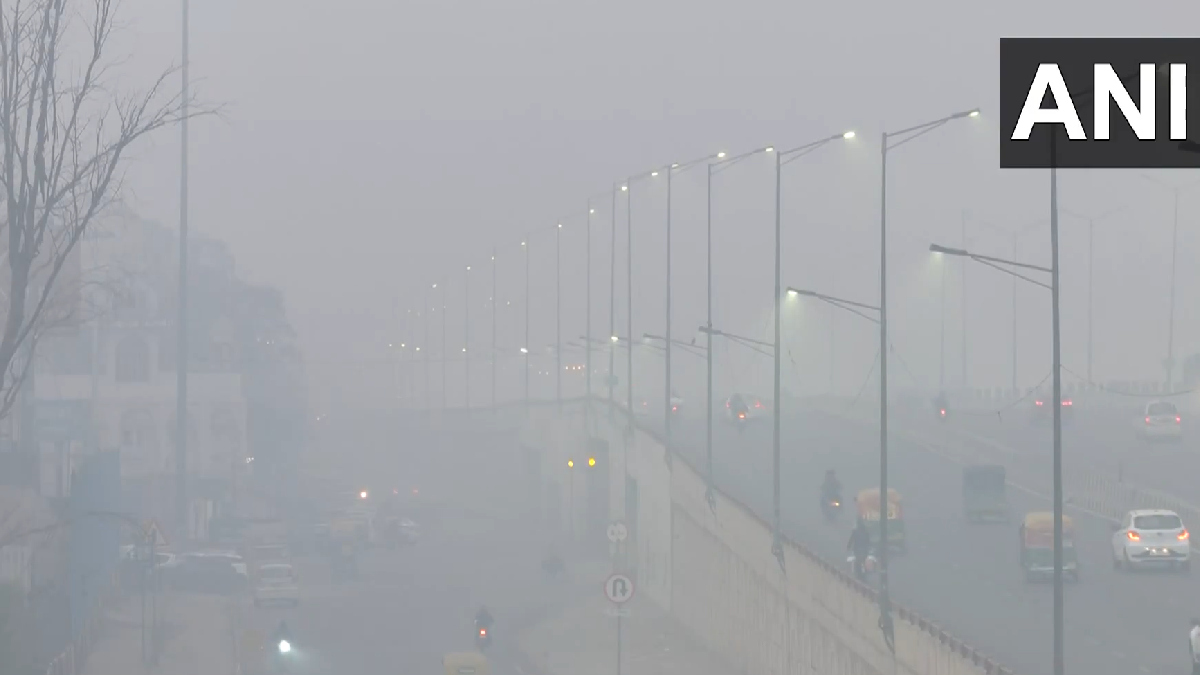
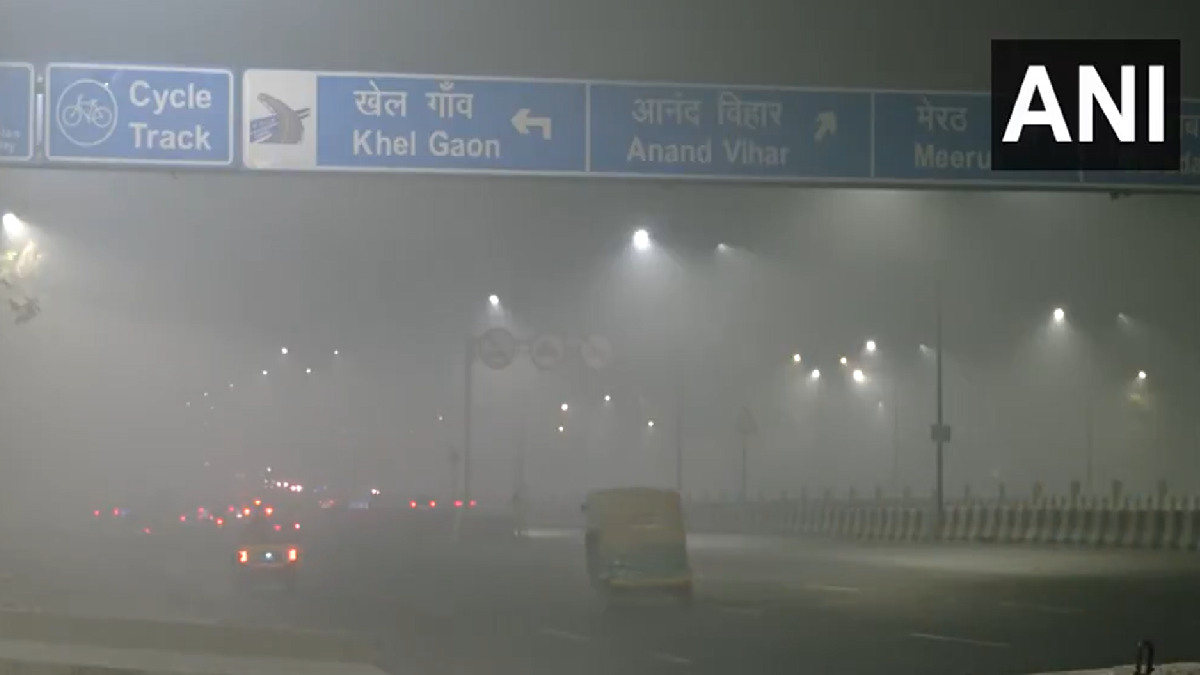
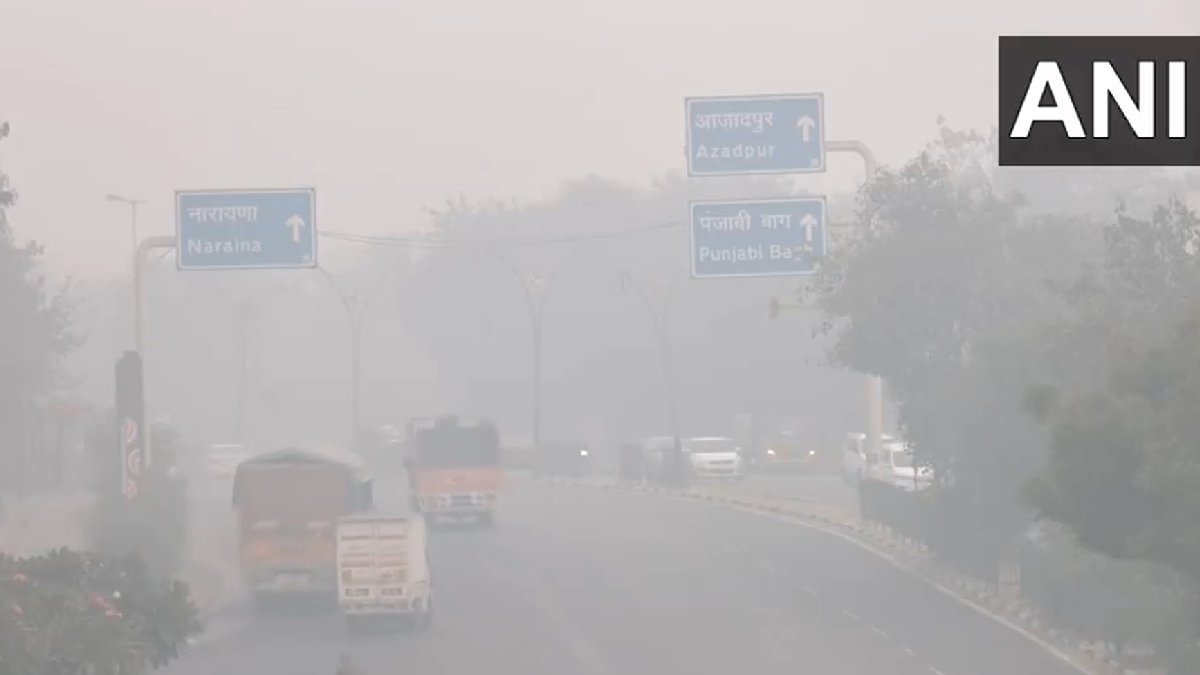
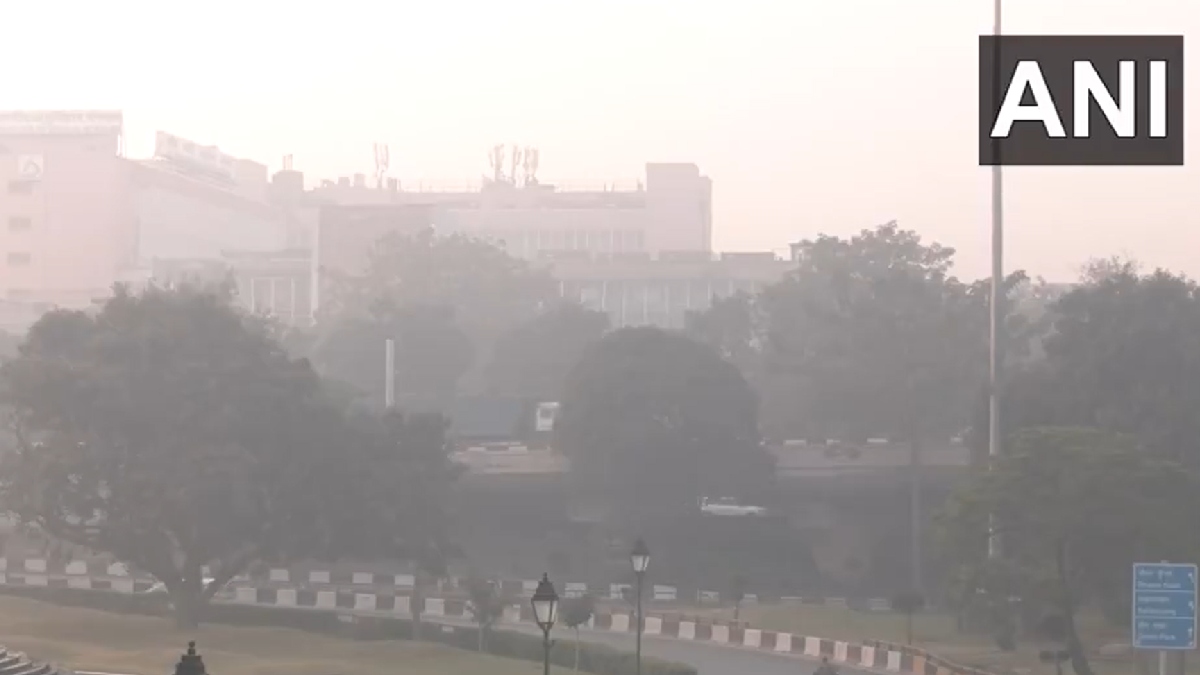
In a drastic move to combat the severely high Air Quality Index (AQI) levels gripping the national capital, the Delhi government has intensified its restrictions, potentially making a valid Pollution Under Control (PUC) certificate mandatory for refuelling vehicles starting from Thursday (or a recently designated date, according to various reports, as the policy has seen shifting deadlines).
This policy is part of the government's stringent efforts, often implemented under the Graded Response Action Plan (GRAP), to curb vehicular emissions, which are a major contributor to Delhi's chronic air pollution problem, particularly during the winter months.
The Enforcement Mechanism
To ensure compliance, the Transport Department has directed all fuel stations across Delhi to deny petrol, diesel, or CNG to vehicles lacking a current and valid PUC certificate.
- Technology Rollout: Many of Delhi’s fuel stations are being equipped with automated systems, including Automatic Number Plate Recognition (ANPR) cameras, which are linked to a central database.
- Real-time Check: These systems are designed to automatically scan a vehicle’s registration number and verify its PUC status against the central VAHAN database. If the system flags the vehicle as non-compliant, the fuel station attendant is alerted to deny service.
Dual Focus: PUC and Vehicle Age
While the immediate focus is on the PUC certificate, the policy aligns with existing Supreme Court rulings and National Green Tribunal (NGT) orders that prohibit overage vehicles from plying in the National Capital Region (NCR). These older vehicles are known to be far more polluting:
- Diesel vehicles older than 10 years.
- Petrol vehicles older than 15 years.
The ANPR systems being installed are also capable of identifying and denying fuel to these End-of-Life (EOL) vehicles, with enforcement often leading to impoundment and scrapping of the non-compliant vehicles.
Impact on Motorists
The implementation of this rule places the responsibility squarely on vehicle owners to ensure their PUC certificates are renewed annually (or as required). Non-compliance carries severe consequences:
- Denial of Fuel: Motorists will be unable to refuel, potentially leaving them stranded.
- Penalties: Driving a vehicle without a valid PUC certificate can attract a hefty penalty of ₹10,000 under the Motor Vehicles Act, and non-compliant EOL vehicles face impoundment.
The measure, though intended to improve air quality by removing high-emitting vehicles, is expected to cause initial inconvenience, leading to long queues at PUC centres and raising operational concerns for fuel station dealers who may face confrontations with non-compliant customers.