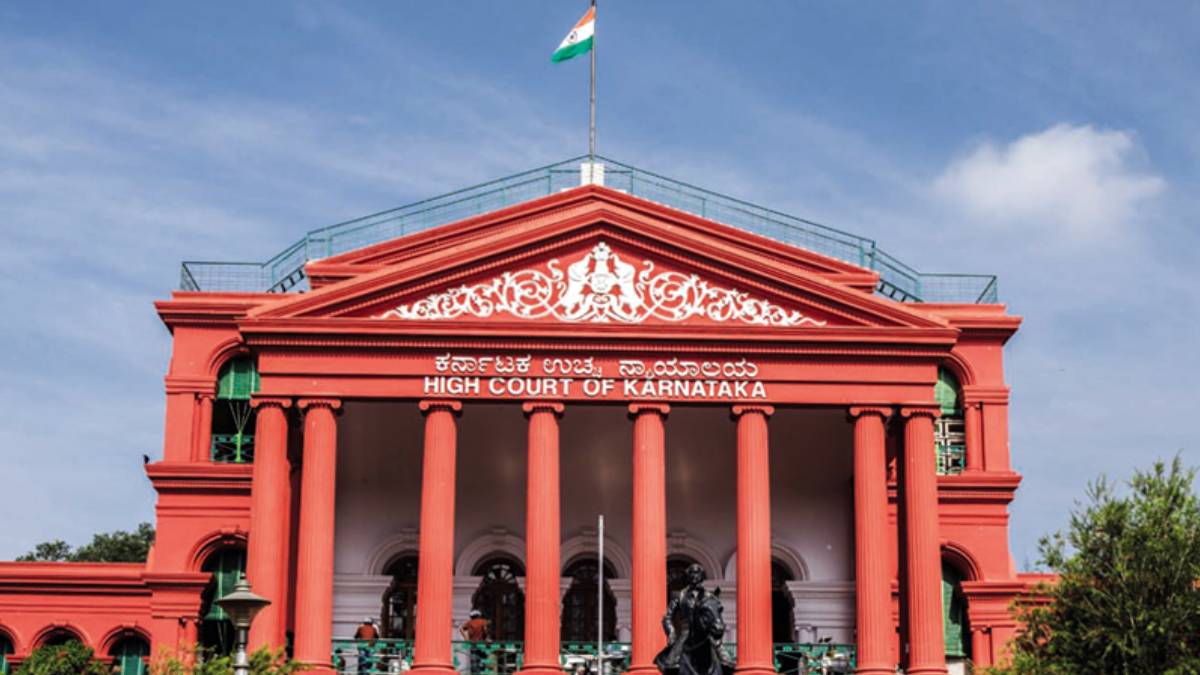
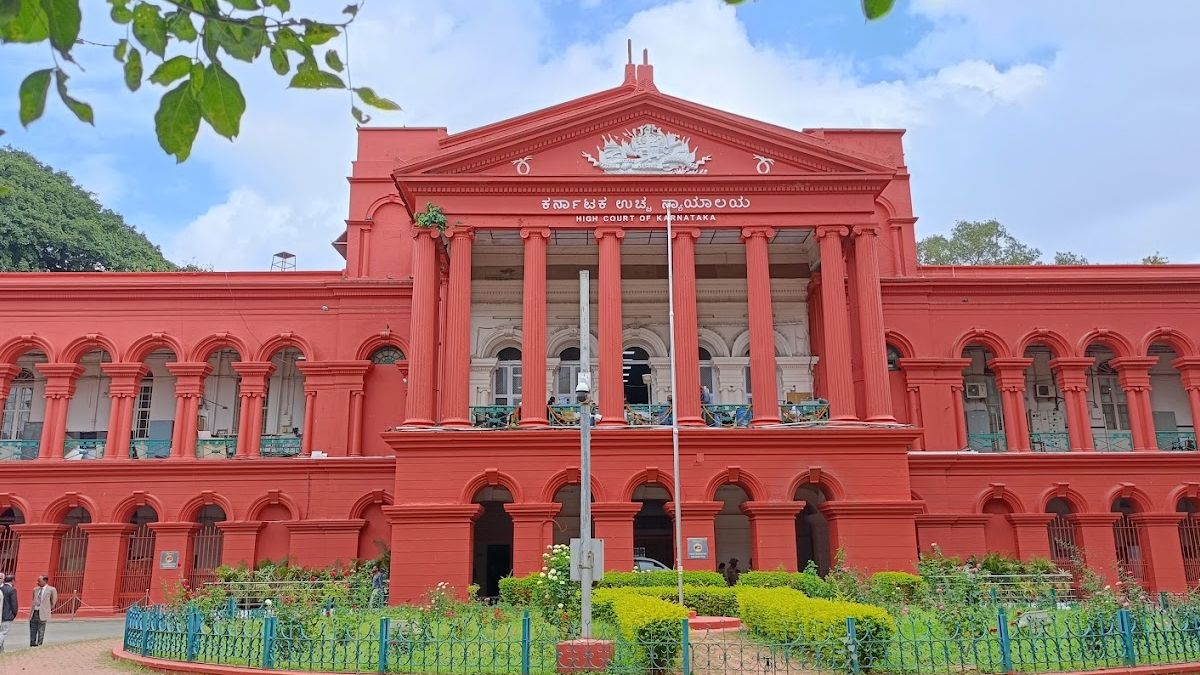
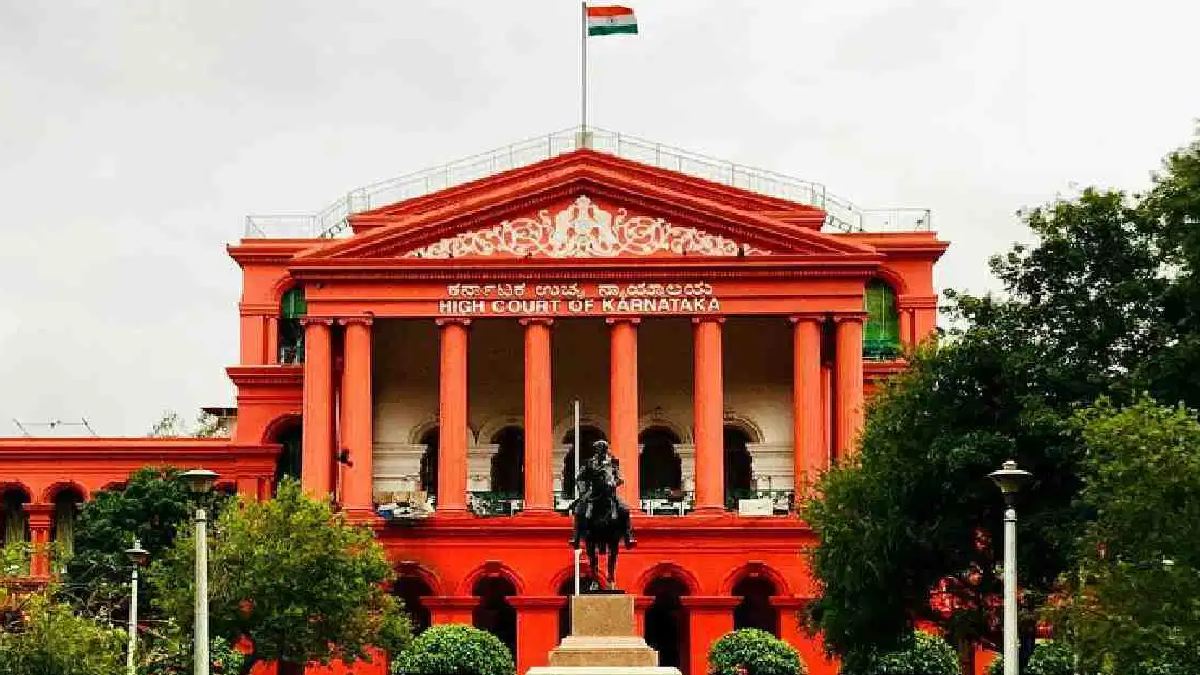
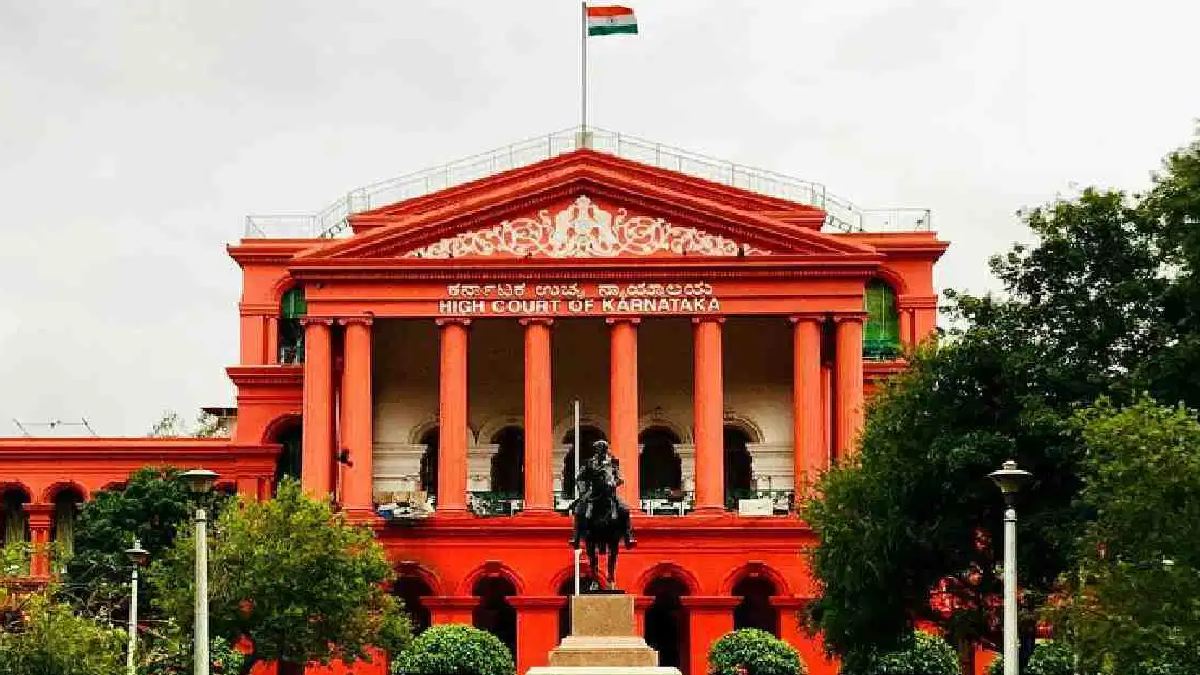
In a strong-worded observation, the Karnataka High Court on Wednesday again warned of police interference in civil disputes and accused an investigating officer of freezing bank accounts of a private company and its directors in relation to a contractual payment dispute in court. “Such action was a misuse of police power in the court’s opinion, and Mangaluru City Police Commissioner was directed to investigate the conduct of the investigating officer and submit a report and take a position on the issue,” the court said.
The case arises from a complaint filed by an electrical contractor who alleged that Bengaluru-based Zait Interiors Private Limited had failed to pay ₹60.39 lakh for electrical works carried out in a commercial building. Based on the complaint, a case was registered at Ullal Police Station in Mangaluru, and the bank accounts of the company and its directors and some of its employees were frozen, and the company went on to face legal proceedings.
Justice V. Srishananda, hearing a petition by the company and several of its directors seeking the quashing of the FIR, made these comments. Even when the court has been issuing directions and government circulars about not allowing police to interfere in civil disputes, such practices have continued, and the judiciary has continued to criticise the police by now.
Senior advocate P.P. Hegde, representing the company, contended that the dispute was entirely a contract and civil matter. The contractor had claimed the amount as ₹60,39,046 in the FIR, but was hiding the fact that the company had paid ₹50,11,983 in the agreement, he said. The company then argued that the contract also implied that disputes should be resolved via civil courts or arbitration.
The petitioner also stated that the freezing of all company-related bank accounts had severely hurt business operations. Company employees could not be paid the salaries due to the restrictions on the accounts, the company said.
The investigating officer, Virupakshayya, appeared before the court and the Mangaluru City Police Commissioner joined the proceedings via video conferencing. Justice Srishananda questioned the legal basis for police intervention in what looked like a civil dispute. The court asked if the police had the power to act as a civil court, and how it could be done to freeze banks in a contractual dispute.
In one of the most striking moments of the hearing, the judge warned the officer about the consequences of misusing authority. The court even indicated that it had considered the suspension of the investigating officer and even began the process of writing that order. The court later backed away from that course of action, after getting assurance from the State Government Pleader and Mangaluru City Police Commissioner.
Justice Srishananda continued to issue a stern warning: Police officers have to know the limits of their power. And if they continue to overstep their authority in the civil domain, disciplinary penalties can follow, the court said. When parties go to the police for a contractual or civil dispute, the judge said they should be advised to seek recourse in civil courts or arbitration rather than criminal courts.
The High Court’s observations have once again made clear the judiciary’s concerns with the criminalisation of civil disputes and the use of police machinery in commercial disputes. Legal experts note that contractual disputes should ordinarily be solved through legally prescribed civil mechanisms unless clear criminal elements are involved.
The matter was adjourned for further hearing until October 14, and the court is waiting for the inquiry report of the investigating officer. What the inquiry has to say about how police officers deal with such cases can have a great deal of effect on how police are going to deal with such disputes in the future.