The new financial year started with a high budget with commercial and industrial electricity customers in Karnataka on March 31 as the Karnataka Electricity Regulatory Commission (KERC) ordered a power tariff hike with effect from April 1. New electricity tariff rates are also set to be introduced by the government due to loss against industrial power companies in their development plan.
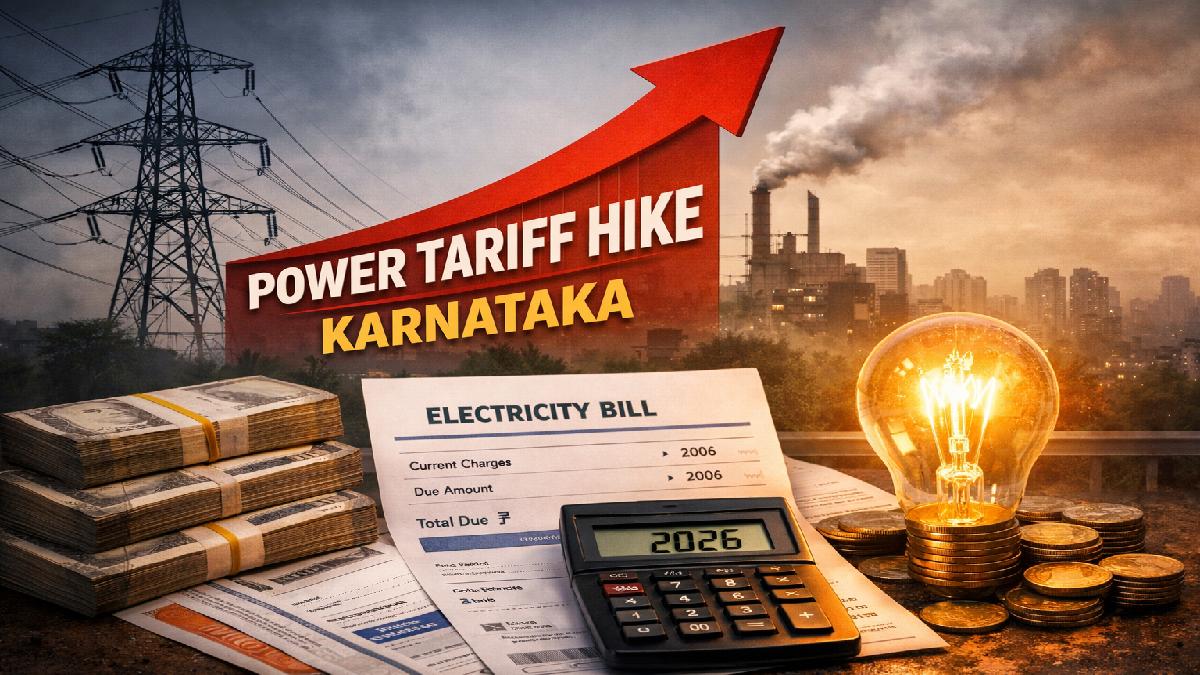
In a very clever move, the revised tariff will be carried out retrospectively for the 2025-26 year. That indicates that if we purchase electricity in the longer period between April 2025 and March 2026, the consumers will pay more money. The bill will cover the remaining amount in the 2026-27 financial year for ESCOM and other distribution companies.
The tariff will take its share from industries and commercial institutions in particular. We predict that the electricity cost of goods for manufacturing plants, hotels, and cinema halls will surge substantially. But higher production costs and a subsequently rising cost of products and services will have consumer consequences through the price hike, the analysts say.
The decision comes as electricity consumption in the state is on the way of breaking over a record high. By some numbers, the total power consumption in Karnataka will amount to more than 373.6 million units during one month alone. In particular, the power demand in Bengaluru has been super high for such a relatively small state-size city in this region - the city alone does more out of its own energy supplies than some of these small states are generating and its electrical network is under serious stress.
Bengaluru’s peak power demand has risen to 2,000 to 2,500 MW now, and air conditioning is under increased demand because of the rising temperatures. Electricity consumption was driven much higher than ever, mainly in the summer time, and many homes have turned to cooling machines heavily.
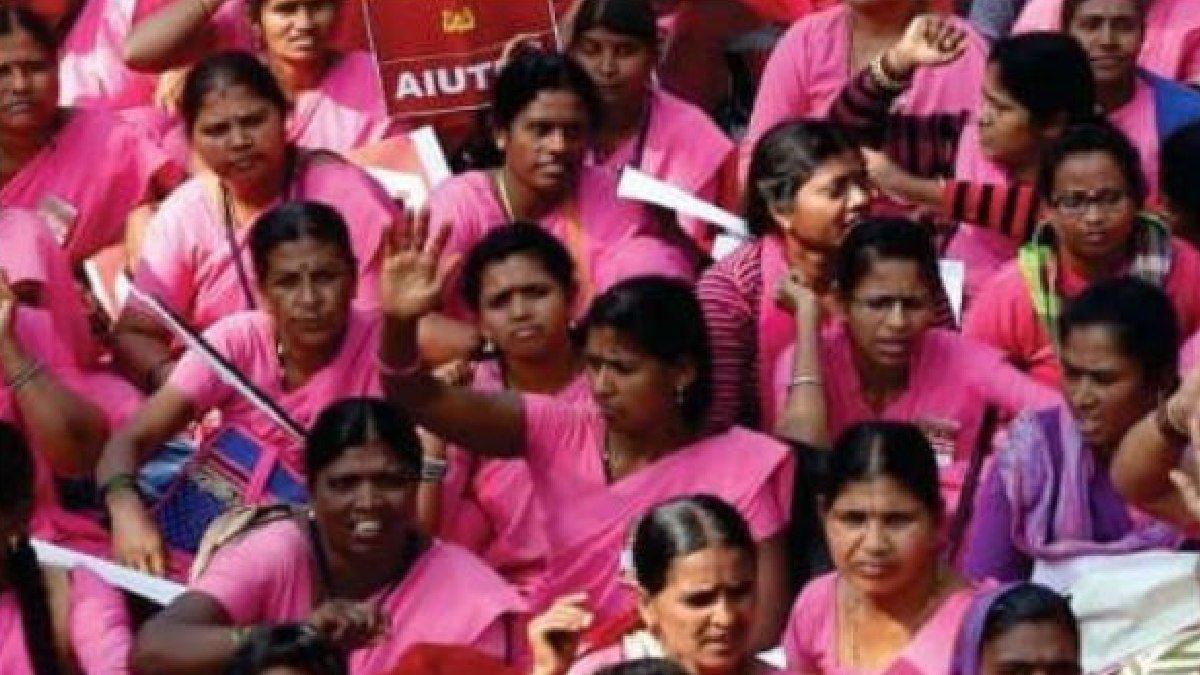
For rural areas of Karnataka, the demand is growing from agricultural activity. Farmers are now using irrigation sets as well for supporting their summer crops; this puts an extra strain on the power system. With cooking gas shortages, the majority of houses and commercial kitchens, even restaurants and businesses are moving to electric methods like induction stoves and heaters because of the shortages.
With some 300-500 MW energy grid, energy experts admit that if they continue to be challenged, there would be another 400-500 MW in demand on the state grid and this increase in supply would have implications for the supply. Tariffs for power companies were revised and prices for electricity companies increased even more.
While the government and regulatory bodies defend the expansion in cost-effective power that is essential to the operation as it increases energy supply with support that would not be feasible without more financial support, consumers and industry players are anxious about a threat to power supply as a function of its price. In many cases, people are advocating for a better plan than they were before about how to plan, better efficiency in power distribution, and energy from renewable resources when it comes to use by homes.
The tariff hike underscores an increasing challenge to meet energy demand and infrastructure needs at the same time. Karnataka is experiencing some of the pressures due to the price of electricity going up and the impact of that on the customer as well as on itself, the public, and the market: the state needs to be efficient in the way it manages its electricity.