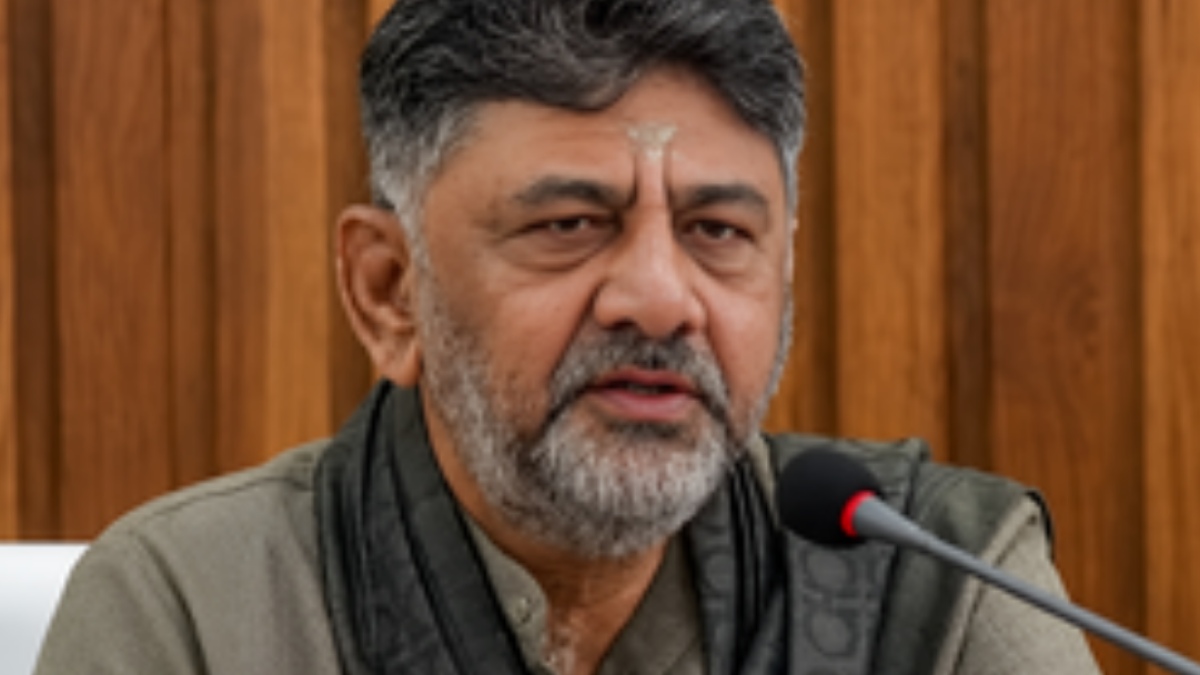
Karnataka Chief Minister D.K. Shivakumar has appealed to activists to abandon the proposed bandh to stop the release of Cauvery water to Tamil Nadu and argued that water management should be based on natural conditions and public safety.

Shivakumar said nature could not be claimed or controlled by any individual or group. He said authorities had received reports that the dam would soon reach its full capacity and holding back excess water could be a serious risk.
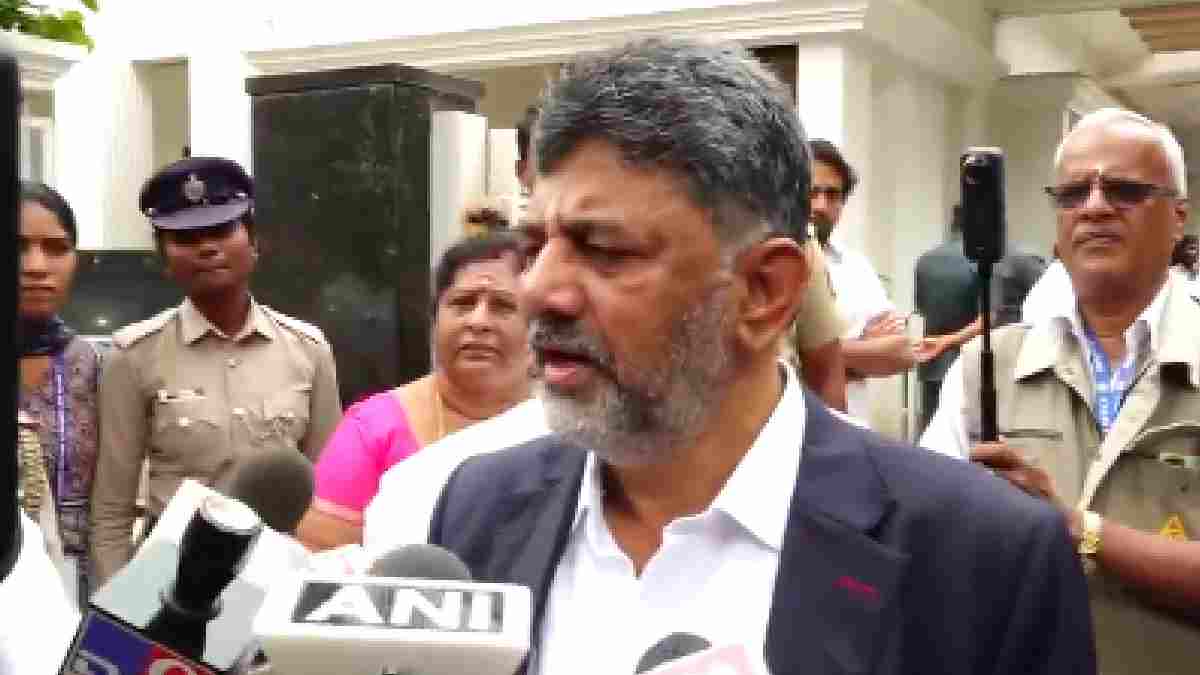
VIDEO | | Mysuru, Karnataka: "Nature never belongs to anyone. I have received reports that dam may become full soon; if we try to hold back water, all of us could be washed away," says Karnataka CM Shivakumar as he appeals activists to withdraw bandh against release of Cauvery… pic.twitter.com/r1tIVVrYqz
— Press Trust of India (@PTI_News) August 1, 2026
“Nature never belongs to anyone. I have received reports that the dam may become full soon; if we try to hold back water, all of us could be washed away,” the Chief Minister said, urging activists to call off the bandh.
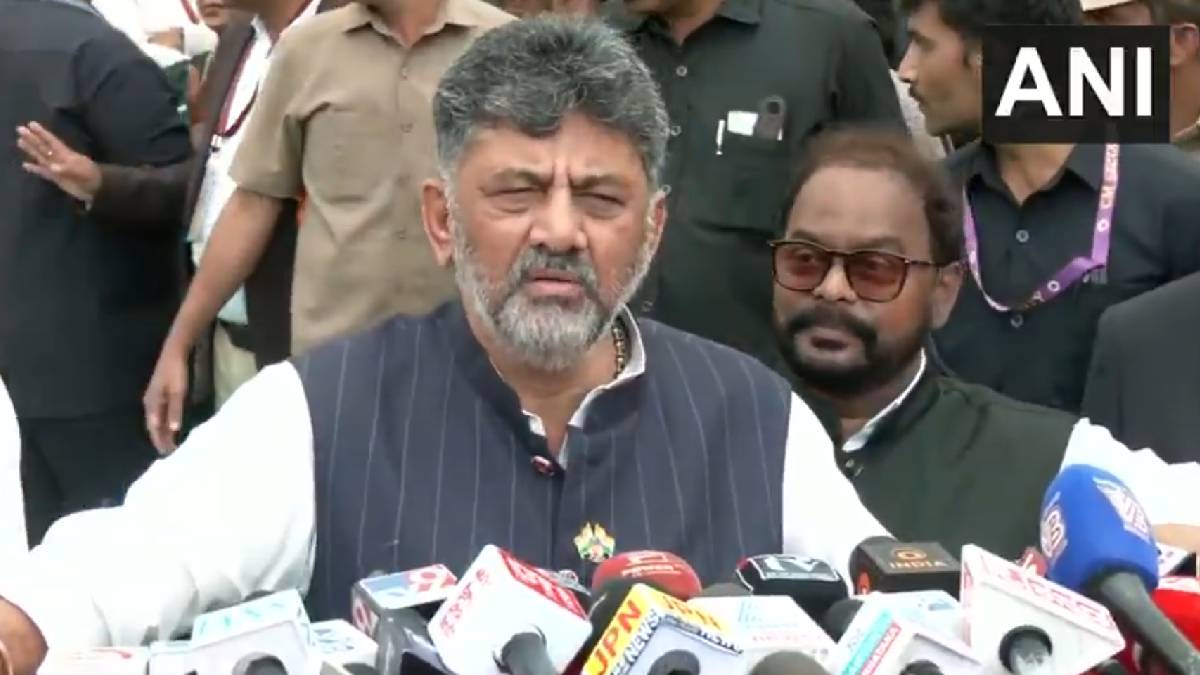
His comments came as the issue of Cauvery water release to Tamil Nadu is in a heated public debate. For decades, the Cauvery water issue has been in the news and public debate in Karnataka because of the situation of low rainfall and drought, or the pressure on water storage levels.
The Cauvery River is a major water source for Karnataka and Tamil Nadu as well as irrigation, drinking-water supply and agricultural activity. Water releases in response to farmers’ organisations, regional groups and political parties are opposed.
The proposed bandh is indicative of the concern of some activists that Karnataka’s water needs should be given priority and that the state should not release water when local reservoirs and agricultural needs are under pressure.
But Shivakumar’s statement also spoke to the practical difficulties of reservoir management. If the water level rises close to the dam’s storage capacity, authorities will have very limited options and will have to release water to preserve safety, he said.
His warning pointed to a need to weigh public sentiment with technical analysis of rainfall, inflows, reservoir capacity and dam safety.
The Chief Minister said nature and the movement of water could not be treated as the property of one group. His remarks appeared to be an appeal for people to consider the larger risks associated with trying to retain water when reservoirs are approaching their maximum capacity.
When heavy rainfall occurs, reservoirs can receive large inflows in a short period of time. Dam authorities should always monitor water levels, and decisions will have to be taken based on safety requirements and established operating procedures.
If water is not released when storage levels are critically high, pressure on a reservoir can increase and present threats to nearby communities. Controlled releases are therefore sometimes needed to manage inflows and protect infrastructure.
At the same time, water release can remain politically sensitive because Karnataka and Tamil Nadu have competing demands related to agriculture, drinking water and regional development.
The Cauvery dispute has historically involved negotiations, legal proceedings and directions issued by the Cauvery Water Management Authority and other institutions. When rainfall is below normal and water availability is limited, it becomes more contentious.
Shivakumar’s appeal aims to prevent the proposed bandh from fuelling tensions at a time when reservoir conditions are being monitored.
The Chief Minister told the protesters to reconsider their protest and to allow the government and technical agencies to make decisions based on current water levels and safety assessments.
Moreover, he said the situation should not only be framed by regional politics. The management of a river system involves natural factors, and authorities need to act quickly when water levels rise.
The Karnataka government will continue to monitor rainfall and inflows into the Cauvery basin. Water releases will depend on reservoir conditions, weather forecasts and directions from the authorities.
The Chief Minister’s appeal might help to open up dialogue with the organisations supporting the bandh. Whether the activists agree with the request and withdraw the protest is expected to become clearer in the coming days.
The latest development once again shows how water security, regional interests and environmental realities are mixed in this picture.
For many groups, the need to protect Karnataka’s water resources is still a central issue, but Shivakumar’s comments also stress that dam safety and the management of excess water should also be a priority.
In the future, the government will have to balance public concerns with scientific analysis, and the decision-making process should be made in the interest of both water security and public safety.