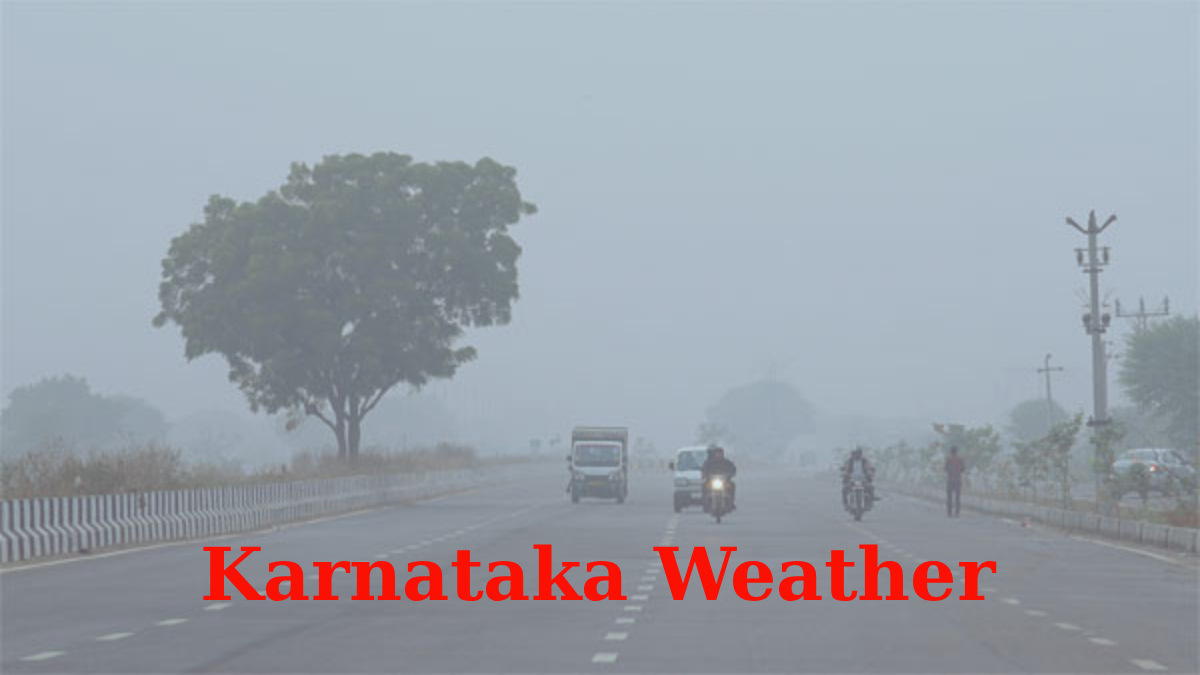
Karnataka residents are encouraged to brace themselves in case of an unprecedented and severe heat spike as the India Meteorological Department (IMD) has predicted a five-day dry spell marked by intense solar radiation. Some districts in North Interior Karnataka (NIK) are already sitting at around 37 degrees Celsius with another 2 to 3 degrees Celsius expected within the next week, according to the latest bulletins of the Bengaluru Meteorological Centre.
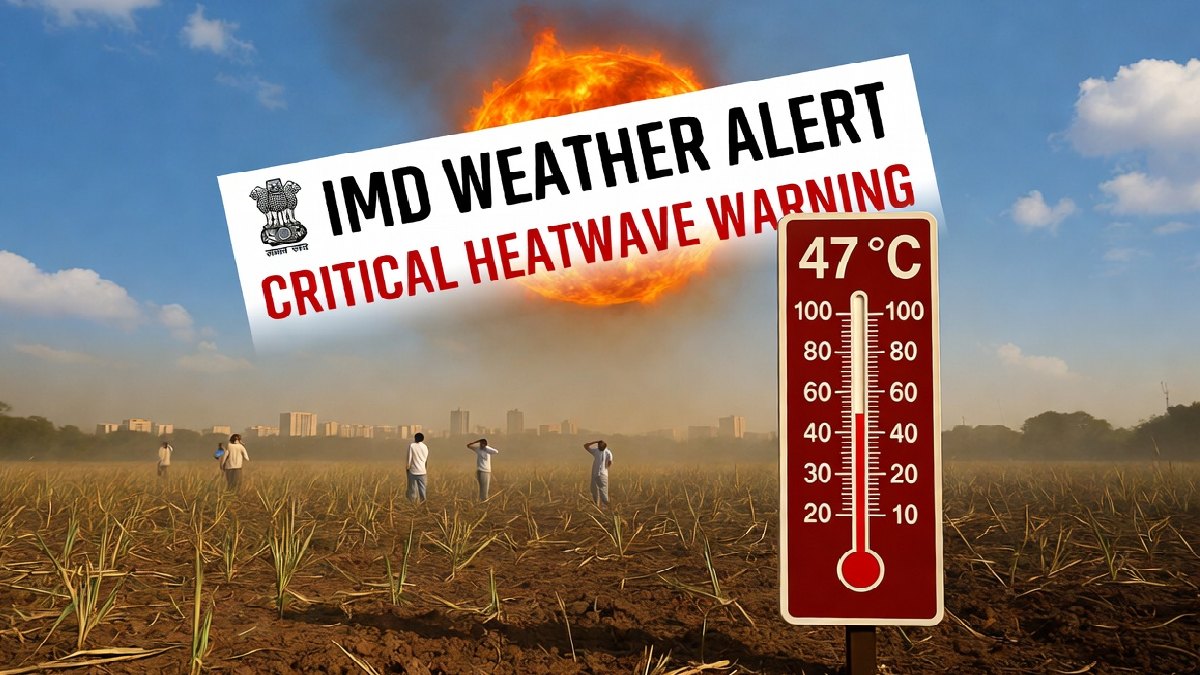
Which zones are most affected, the Heat Map suggests?
The biggest heat surge is happening in the region of the state, which is often called the northern interior: Raichur and Kalaburagi, which consistently came in the uppermost. North Interior Karnataka: Mercury levels are expected to range from 36° to 38° in districts like Raichur, Kalaburagi, Bagalkote, and Koppal.
The IMD has identified an “increasing trend” in both maximum and minimum temperatures, meaning nights will also be warmer than usual. South Interior Karnataka: For Bengaluru, the maximum temperature is likely to reach around 33°C to 34°C, compared with their February averages in much more pleasant conditions. Districts like Chitradurga and Mysuru are also preparing for temperatures in the 34-35°C range.
Coastal Regions: While temperatures in Mangaluru and Udupi probably show a little less numeric value (around 32-33°C), high humidity levels are expected to greatly increase the “real feel.” In turn, it would make conditions sultry. District-Wise Temperature Forecast (March 2–6, 2026) Administration and Precautions As the UV index rises, health officials have advised people in some parts of the state to take proactive measures:
- Hydration: In a humid environment, drink plenty of water and natural fluids such as buttermilk or tender coconut water; you may not feel thirsty.
- Timing: Avoid outdoor activities, especially heavy labor, between 12:00 PM and 4:00 PM.
- Attire: Wear light-colored, loose cotton clothing; use umbrellas or hats for protection while stepping out.
- Agriculture: Farmers are advised to provide frequent irrigation to standing crops such as pomegranate, banana, sugarcane, and applicable rice leaves.