The southwest monsoon is near to its usual withdrawal phase, but the rainfall activity is not over in many parts of India. The IMD has also issued a weather alert over more than 10 states and rain is expected in Delhi, Uttar Pradesh and Bihar.
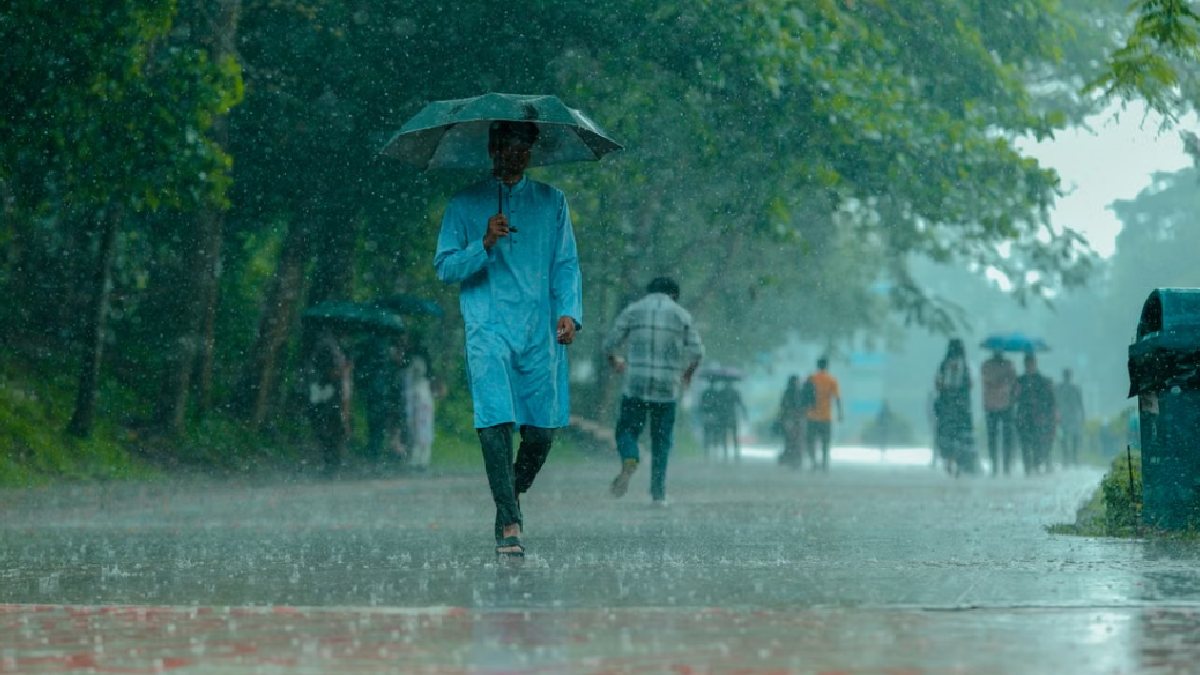
But the weather situation is still dependent on the weather system on the northern, central and eastern parts of the country and weather systems are changing, according to the Indian Meteorological Department (IMD) forecast.
The weather outlook is a reminder that the end of the monsoon season doesn't necessarily mean a quick end to rain. Low-pressure areas, cyclonic circulations and moisture-laden winds can still bring showers and thunderstorms as the southwest monsoon moves out of the area into different parts.
Delhi and its neighboring areas could see rainfall activity during the forecast period. The national capital has experienced multiple spells of rain during the monsoon season and more rain may be expected and the daily commuting and outdoor activities could be affected by wet weather.
Residents should be on guard for a sudden change in weather at any moment as thunderstorms or strong winds hit, and they should be aware of the situation.
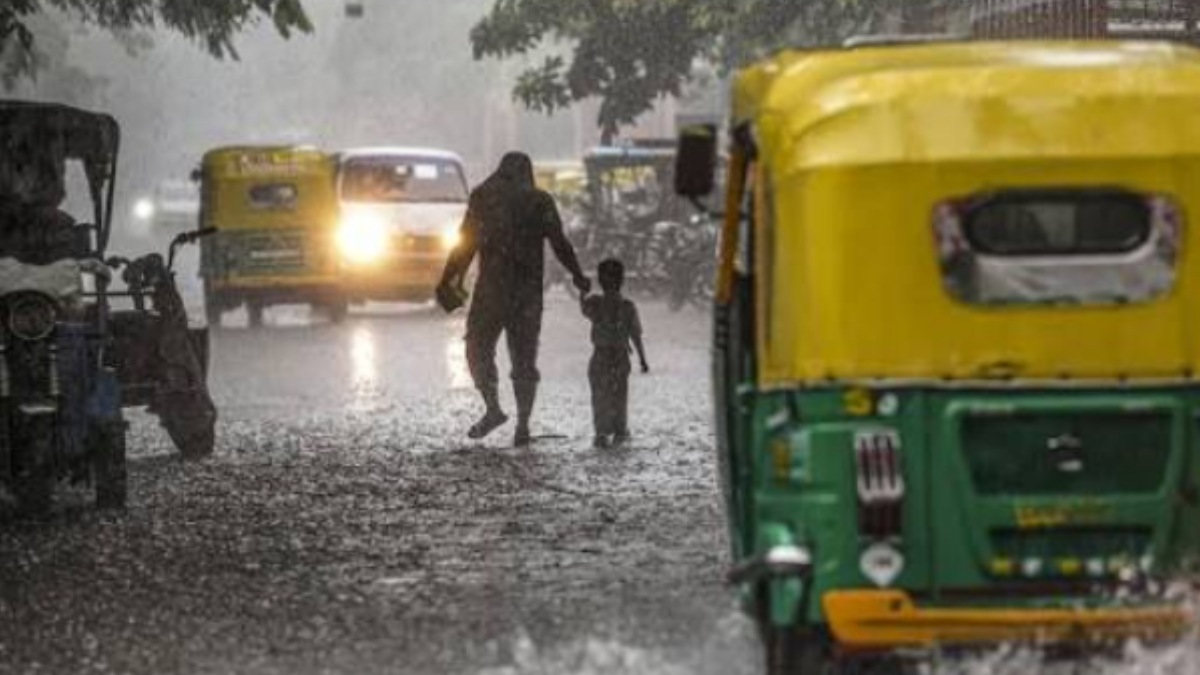
The state of Uttar Pradesh is also expected to experience rain. A number of areas in the state could see different degrees of rainfall depending on the movement and strength of weather systems. Bihar is also on the IMD weather watchlist and rain and thunderstorms are also possible in various parts of the state.
The weather alert extends far beyond these three states. Rain or thunderstorms in northern, central, eastern and northeastern India are expected to occur in several areas. The intensity of rain may vary from one part to another, with light to moderate rainfall in the areas affected and heavier in some places.
For farmers, the continued rainfall can have mixed implications. More rain can help soil moisture, but excessive rainfall can create challenges for harvesting and agricultural operations. Farmers are advised to follow local weather updates and take precautions based on the forecast for their districts.
If heavy showers occur over a short duration, urban areas may also be subject to temporary disruption. The cities are prone to waterlogging, traffic gridlock and reduced visibility due to heavy showers. Motorists are advised to be careful driving on wet roads and avoid unnecessary travel during thunderstorms or heavy rain.
The IMD’s forecast also illustrates the need to not assume that the arrival of October automatically brings completely dry conditions across the country. The monsoon withdrawal in India is a slow process and rainfall in different parts of the country will change depending on atmospheric conditions.
Post-monsoon weather systems can also influence rainfall, particularly over southern and eastern parts of the country.
In the affected states, people should monitor weather bulletins and district-level warnings before outdoor activities are planned. Residents should avoid exposed locations, stay away from isolated trees and follow safety advice from local authorities during thunderstorms.
Water resources are also affected by the continuation of rain. Reservoirs, rivers and groundwater systems benefit from rainfall, but excessive rain can increase the risk of flooding and localized water accumulation. The impact will depend on the amount, duration and regional distribution of rainfall.
The IMD regularly updates its forecasts as weather systems evolve. Rain alerts can therefore change in intensity, location and duration.
The residents of Delhi, Uttar Pradesh, Bihar and other states under the weather watch should rely on the latest IMD bulletins for location-specific information rather than assuming that the monsoon has completely ended.
Rain is still possible across more than 10 states and the weather pattern shows that India’s transition out of the monsoon season is far from uniform. People in the affected areas should remain prepared for showers and thunderstorms and follow up on the official updates as the weather systems develop.