The video of a Mumbai woman telling her child to throw away garbage from a moving train has been widely publicized on social media and raised questions about civic sense, public cleanliness, and the need for children to be good role models. Despite years of public education campaigns on cleanliness for all of India on such a scale that littering is still prevalent, many social media users are wondering why.
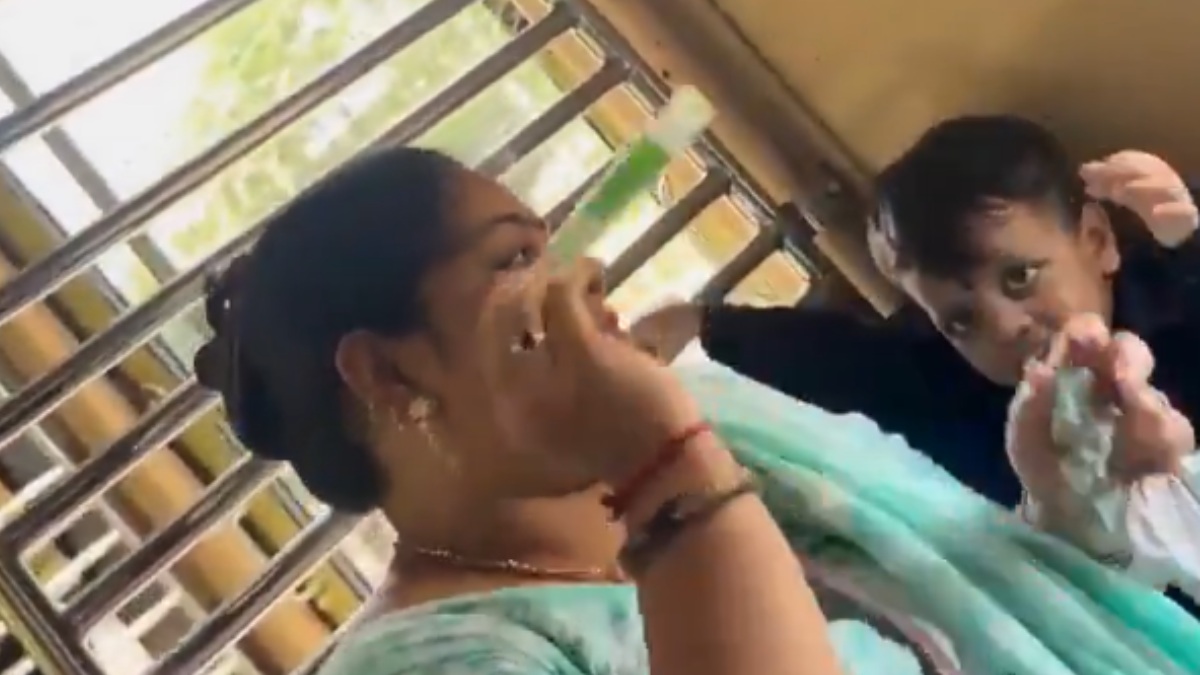
In the widely circulated video, the woman hands a piece of garbage to the child and asks him to throw it out through the window of the train while it’s going. The child obeys and the waste is tossed onto the railway tracks. It was recorded by another passenger and then posted online where it was widely seen and shared in seconds, generating thousands of views and comments.
While the video is not verified and nobody has been able to identify the individuals involved, it is one of the most talked about examples of public responsibility in media and is the subject of discussion in public. Many people on social media have condemned the act and said adults should teach children to respect public spaces and cleanliness.
I think parents have a significant impact on creating a child’s habits and values. Child development experts say children are more likely to imitate what they see adults do than just follow verbal instructions. As a result, encouraging a child to litter can inadvertently reinforce the idea that littering is normal (and therefore acceptable) and make it more difficult for them to develop responsible environmental practices later in life.
The incident has also raised the spotlight on India’s continued mission of cleanliness through the Swachh Bharat Mission. Government agencies, educational institutions, and civic organizations have spent significant efforts to promote the proper disposal of waste and clean public spaces over the years. Many of these campaigns have brought awareness to the issue but long-term improvement will be about individual behavior.

A huge number of people travel in India’s railway system every day so cleanliness is always a challenge. Railway authorities often put in place sanitation teams to maintain clean stations, platforms, and coaches. But stray litter from moving trains often gets spread across the tracks, causing pollution and increasing the workload of the sanitation workers.
Environmentalists warn that waste that is discarded from trains often contains plastic bottles, food packaging, disposable cups, tissues, and other non-biodegradable materials. Such waste can stay in the environment for years, polluting soil and blocking drainage systems. In densely populated urban areas such as Mumbai where waste management is already a complicated issue, irresponsible disposal compounds environmental problems.
The viral video has led to many discussions on the Internet, with users noting that disposing of waste until a suitable dustbin is available is a simple but effective way to contribute to cleaner surroundings. Some commenters also recommended that parents utilize everyday situations to teach children about environmental responsibility rather than promote practices that undermine public cleanliness.
Some users have advocated for stronger enforcement of anti-littering rules on trains and at railway stations. Yes, there are penalties for some kinds of littering, but it seems education, awareness, and community involvement are the best tools to change long-term behavior. Civic sense, they say, can’t be developed through regulation but must be embedded into a culture.
The incident also highlights the increasing influence of social media in bringing civic issues to public attention. Videos that capture everyday behavior often generate widespread discussion about personal accountability and social responsibility. Online criticism can bring attention to problems but many people say the ultimate objective of such criticism should be positive behavioral change, not public shaming.
🚨 A woman was seen encouraging her child to throw garbage from a moving train, raising concerns over civic sense and cleanliness. pic.twitter.com/Sua7LbC3sA
— Mohalle Ka Scene (@mohallekascene) July 15, 2026
Whether the incident occurred exactly as portrayed or not, the debate that has been had about it underscores an important message: maintaining clean public places is a shared responsibility. All people, young and old, have a role to play in protecting the environment and respecting common infrastructure.
Children learn by watching the adults around them, and as the video continues to spread, it serves as a reminder. Teaching kids the right habits such as using dustbins and keeping public spaces clean can help raise a generation that values cleanliness and environmental stewardship. Small actions taken by individuals can collectively contribute to creating cleaner cities, healthier communities, and a more sustainable future.