Unpredictably, large-scale wildfire smoke is taking a huge hit to air quality in multiple parts of the United States and so health officials have issued public health advisories and public health alerts and advised residents to take the necessary precautions so that people should be on guard. But now we’re seeing a very bad case of severe air quality in wildfires in areas where smoke from active wildfires that are spread across the nation and are making people get to know or care about pollution and air quality is so bad.
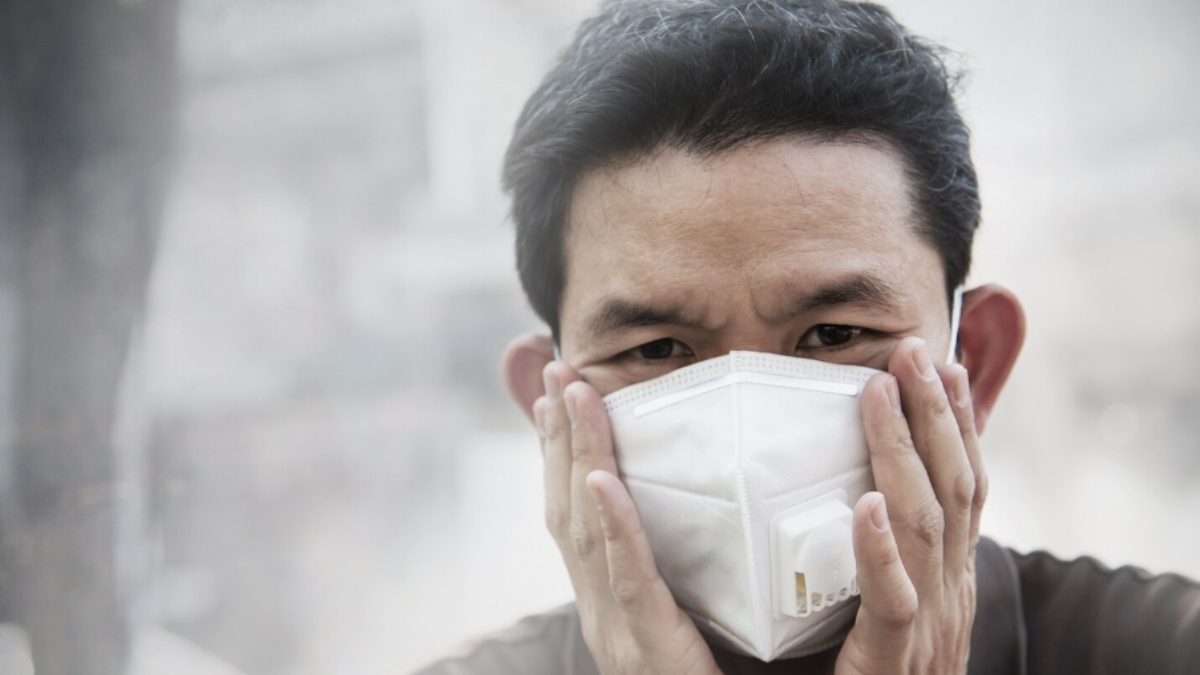
The people are experiencing large concentrations of fine particulate matter from fire smoke and the sky is getting very unhealthy and smoke is heavy in the air and air quality is unhealthy, and with a lot of people are now living in a cloud of fine particulate matter and air quality is unhealthy.
Air quality monitoring organizations have reported high levels of fine particulate matter (PM2.5) in areas that are unhealthy. These tiny particles, produced by burning vegetation and other materials during wildfires, penetrate deeper into the lungs and even into the bloodstream. Exposure to very high levels of PM2.5 has been associated with respiratory problems, cardiovascular problems and worsening symptoms in people with pre-existing medical conditions.
Health officials have advised residents to keep track of local air quality and limit outdoor activity if pollution levels are still elevated. People are advised to stay indoors with windows and doors closed if possible, especially when the smoke is high. Those who have to spend time outside should reduce strenuous physical activity and use protective masks when necessary and wear them.

Medical professionals warn that certain groups are at higher risk from wildfire smoke. Children, older adults, pregnant women, people with asthma, chronic obstructive pulmonary disease (COPD), heart disease or weakened immune systems are at risk. Even healthy people may experience symptoms such as coughing, throat irritation, watery eyes, headaches, shortness of breath, or chest discomfort after prolonged exposure to smoke-filled air.

Hospitals and health care providers in affected regions are preparing for an increase in respiratory complaints as air quality deteriorates. People experiencing persistent breathing problems, severe chest pain, dizziness and worsening asthma symptoms should seek urgent medical help. Inhalers or other respiratory medications should be available in a timely way.
Wildfires have become more frequent and intense in several regions of North America in recent years as a result of longer dry weather, heatwaves, strong winds and changing climate patterns. Dry vegetation is the fuel for fast-moving fires, and weather changes can bring smoke hundreds or even thousands of kilometres from the fire site to the ground. So communities far from active areas of wildfire activity may also have poor air quality.
Environmental scientists stress that wildfire smoke is more than just a matter of sight. Wildfire smoke is more than just visibility; it is also about more than visibility: wildfire smoke is a mixture of pollutants, including carbon monoxide, volatile organic compounds, nitrogen oxides and microscopic particles. The smoke may also have other, unknown particles that can impact human health and the environment, depending on the material being burned in the atmosphere.
Government agencies are closely monitoring wildfire activity and changing weather conditions. Air quality forecasts are regularly updated so residents can make informed decisions about outdoor activities, travel, school operations, and workplace safety. Emergency management authorities are also working with local authorities to tell the public and to support communities directly affected by current wildfires.
Researchers suggest several practical ways to reduce smoke exposure. It is recommended that air purifiers with high efficiency are used inside, ventilation systems with clean filters are used in offices, indoor activities where smoke is created (cooking, burning candles or smoking) are avoided, and that clean air is created when possible. Schools, childcare centers and employers should be advised to change outdoor activities when air quality is unhealthy.
Air quality concerns like these are just the latest manifestations of the wider challenges of increasingly severe wildfire seasons. Scientists are still trying to determine how global temperatures, longer droughts and more extreme wildfire events are connected. Our current focus is on public health and control, and we focus on public health, but we also have to think long term with regard to forest management, emergency preparedness, early warning and climate resilience.
The issue of wildfire smoke still lingers in the air quality of large parts of the United States, and health officials emphasize the need for air quality advisories provided by the government to keep people informed and follow through on the following precautions and follow through on the advice provided by official air quality advisories.
In communities’ efforts to keep smoking out of the smoke, to keep people safe, to make sure that it is not affecting people’s health and as well as to seek medical care if needed in case of wildfire smoke and for health reasons, we can reduce the health side effects of having poor air quality in the heart of the United States.