The Delhi government has ordered a Comptroller and Auditor General (CAG) audit of the capital’s three private power distribution companies (discoms) over the accumulation of Regulatory Assets (RA) worth nearly Rs 38,500 crore, a financial burden that is finally recovered from consumers through electricity bills.
The Delhi Power Department’s new order, which will be issued in a week’s time, tasks the CAG to conduct a “strict and intensive” audit to determine why Regulatory Assets are still rising over the years without being recovered. The government has asked the national auditor to complete the exercise within three months, but if the audit is to be more extensive and complex, it needs to be extended.
What are regulatory assets?
Regulatory Assets are costs to electricity distribution companies that are not immediately recovered on power tariffs. These costs generally arise because of changes in fuel prices and the gap between the actual cost of providing electricity and the revenue collected through electricity tariffs and government subsidies.

According to the Delhi Electricity Regulatory Commission (DERC), the total outstanding Regulatory Assets are around Rs 38,500 crore. BSES Rajdhani Power Limited (BRPL) accounts for Rs 19,174 crore, BSES Yamuna Power Limited (BYPL) for Rs 12,333 crore, and Tata Power Delhi Distribution Limited (TPDDL) for Rs 7,046 crore.

The outstanding amount has been increasing for more than a decade because Delhi has not changed the electricity tariffs even though power procurement and operational costs have risen.
The decision to order the audit was taken at a meeting of the Delhi Cabinet on June 29 with Chief Minister Rekha Gupta in charge. The Cabinet recommended the audit in the interest of the public so that it could understand the reason behind the steady accumulation of Regulatory Assets. Delhi Lieutenant Governor Vinai Kumar Saxena approved the proposal.
If conducted, it would be the first CAG audit of Delhi’s private power distribution companies since electricity distribution in the capital was privatised in 2002. A previous attempt by the then Aam Aadmi Party (AAP) government to initiate a CAG audit was stayed by the Delhi High Court in 2015.
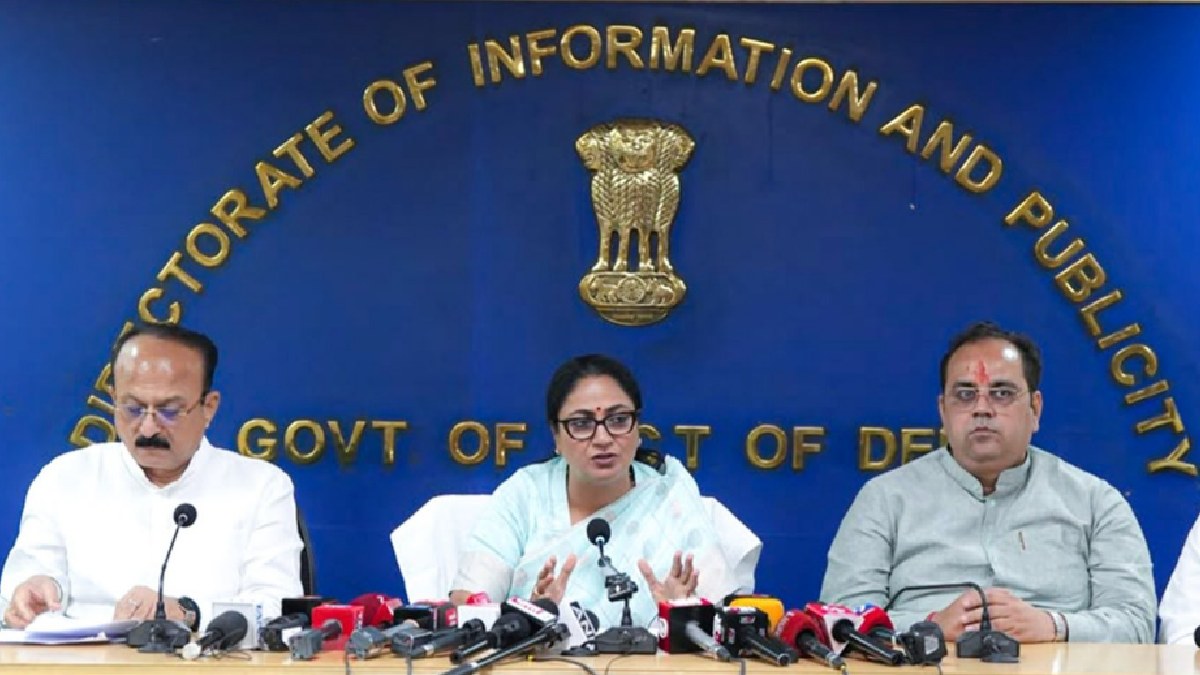
The move is a step in the right direction for Delhi Power Minister Ashish Sood’s view on how we can make the power sector transparent and accountable, he said.
The formal order for the CAG audit of the discoms is a historic moment for transparency, accountability, and governance reforms in Delhi's power sector," Sood said.
He said the decision was a victory for electricity consumers and “it is a victory for every electricity consumer and every honest taxpayer of Delhi.”
Sood said residents have the right to know why Regulatory Assets worth nearly Rs 38,000 crore continued to grow over the years and who ultimately benefited while the financial burden remained pending.
"The people of Delhi have every right to know how Regulatory Assets worth nearly Rs 38,000 crore kept growing and who benefited while this burden continued to hang over them. This CAG audit will bring out the facts," he said.
And public funds should not be used to protect vested interests, he added.
"Not a single honest taxpayer of Delhi will be forced to pay for anybody's vested interests, special favours, or wrong decisions. Every rupee of public money must be protected," the minister said.
Sood took a swipe at the previous AAP government, saying it did not investigate the issue during its tenure.
"The previous AAP government chose to protect the system rather than examine it. What they failed to do in ten years, our government has initiated within a few months," he said.
A BRPL spokesman said the issue of a CAG audit of Delhi's private discoms is currently sub judice before the courts.
"As the matter is still under judicial review, it would not be appropriate to comment further," the spokesman said.
There was no immediate response from BYPL or TPDDL.
The Delhi government’s order also referred to an August 6, 2025, order by the Supreme Court that called for a strict and intensive audit into the reasons why Regulatory Assets remained unrecovered. The CAG had in principle approved the audit on January 20, subject to authorisation by the Lieutenant Governor under the provisions of the Comptroller and Auditor General's Act.
Before issuing the final order, the government said it had served notices to all three discoms on June 6, giving them an opportunity to express their views.
The development comes just months after the Appellate Tribunal for Electricity (APTEL) rejected a DERC request for a CAG audit and ordered that the regulator start clearing Regulatory Assets. The outcome of the proposed audit could have significant implications for Delhi’s electricity sector, tariff policy, and future regulatory decisions.