Dance is more than movement. Classical dance is a cherished tradition in India and is full of history, emotions and values through generations. When a child enters a stage all dressed down he does not just make a statement it’s a promise that cultural heritage is not going to go to waste. A young dancer who wears beautiful clothes and has jewelry and flowers on, is to say the future of these divine art forms will be in the hands of our next generation.
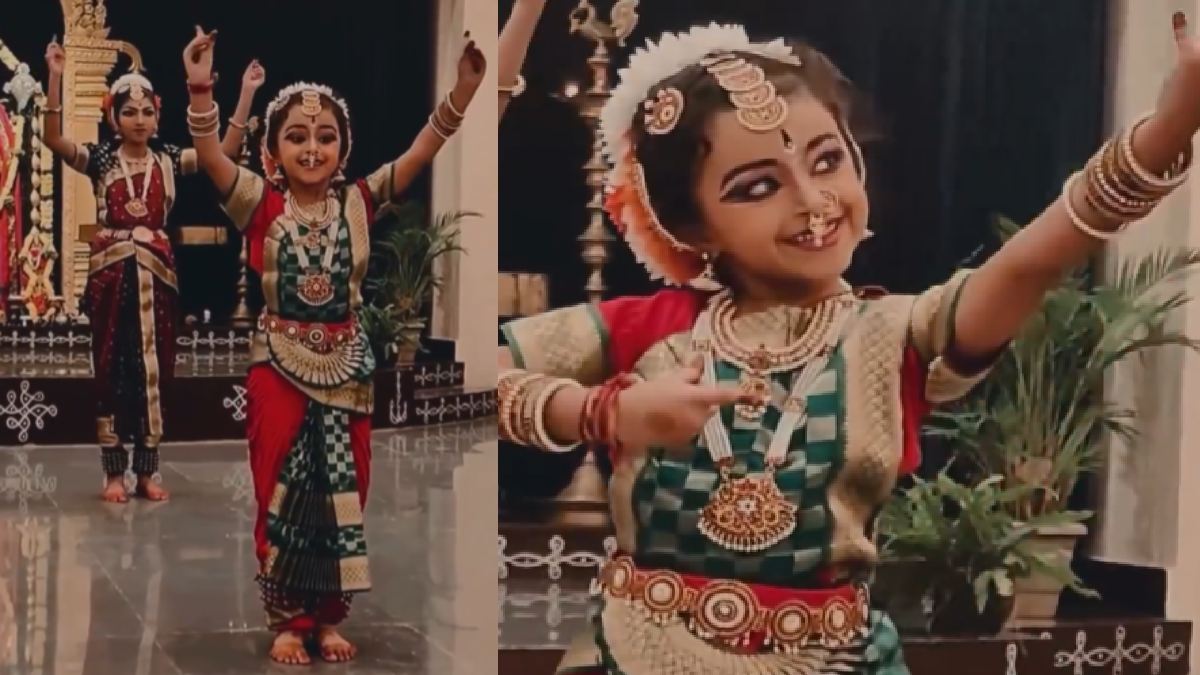
Kids who start practicing classical dance at a young age develop more than rhythm and grace. They learn discipline and patience, respect for tradition. Every move, every gesture and every expression has to be very carefully learned to connect them. Parents’ motivation to encourage young children to get into dance is not only a good lesson for them, but is for their own cultural heritage and also a good idea. Such lessons are passed on with children’s lives; they have a life and become part of them.
Classical dance is often painted as bridges between the past and the present. When a child plays in that room the elders witness their own traditions coming through with an element of younger energy. And the audience welcomes the hope that while it feels we are not going away because the world is technologically driven from culture to entertainment at the moment, such traditional art forms may survive after all. This will happen as well - young dancers will continue the flame of old dance but develop from within into youth.
Behind every child’s performance is a team of parents and teachers. Parents provide encouragement and support and teachers transmit wisdom carefully and with determination. So they can develop the children’s skill of learning, so they can learn not only the steps but understanding what they mean. This coordination is fundamental to classical dance’s survival in the coming decades. For fear of being forgotten without guidance, traditions cannot be revived and so they blossom. If successful, they have a positive pull at that.
The picture of a child in classical dance is more than an act of art-touched by optimism. It means culture is not dying but not being obliterated, so we do not fall out of love with it. We say heritage is not something the children had to carry as their legacy but a blessing. It will enable some more families to come along with her and teach their kids the beauty, the art.