Delhi Metro was disrupted when a passenger jumped on the Yellow Line; the DMRC had to regulate trains’ movements on the busy route. The commuters were not satisfied, and officials worked on safety precautions.
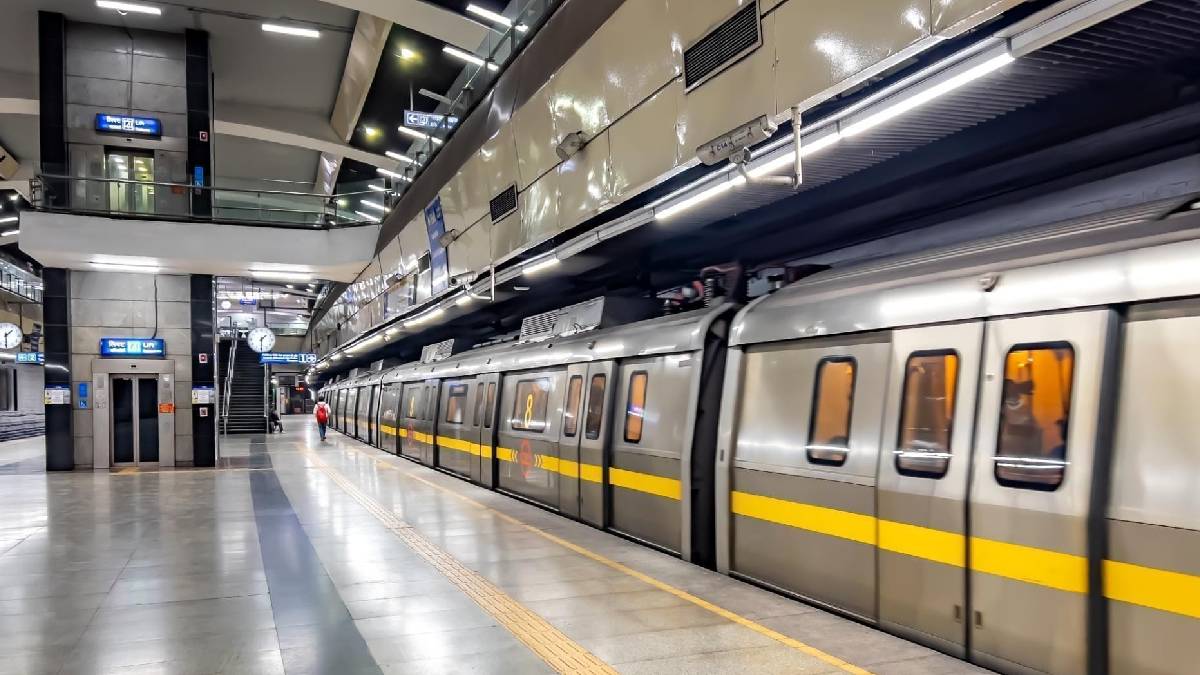
The Delhi Metro is one of the leading corridors of Delhi Metro with its central areas to access the national capital. Any disruption on the route will affect commuters greatly, especially in the middle of the rush hour.
The DMRC said train services were disrupted because of a passenger on the line. Train movements were controlled by the authorities to ensure passenger safety and respond to the incident. Similar incidents involving passengers on the tracks have previously caused short delays on the Yellow Line.
The incident led to emergency procedures at that site. Metro personnel and other officials needed to secure the track before trains could return to normal operation. Because trains can’t run normally when a person is on the tracks, such measures are necessary.
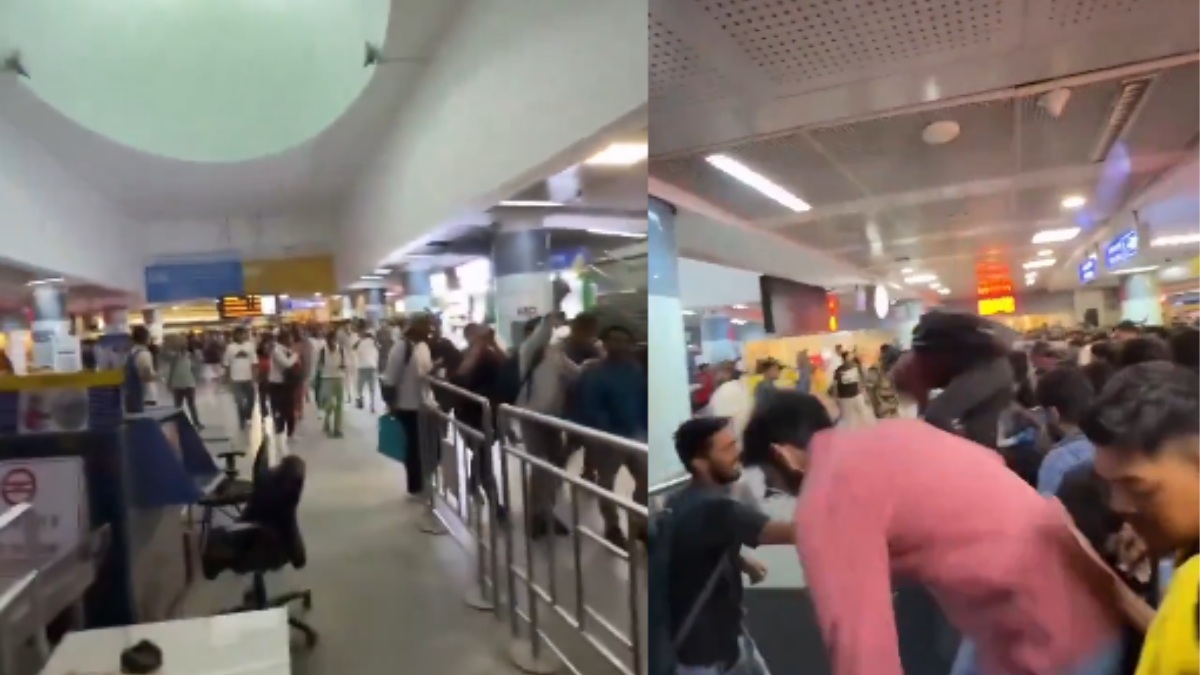
So people traveling on the Yellow Line were advised to expect delays and longer waiting times. Disruption of one portion of the line might also have a cascading effect; trains may be held at stations or run at a lower frequency until the affected stretch is cleared.

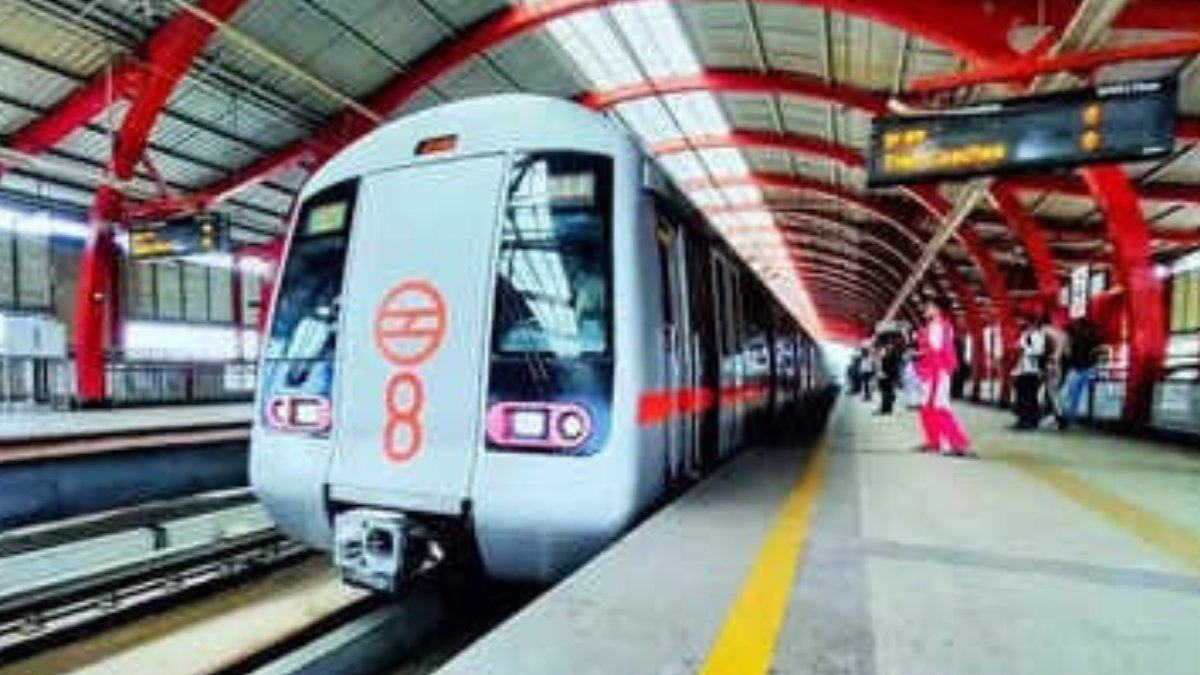
The Yellow Line connects Samaypur Badli in north Delhi to Millennium City Centre Gurugram and passes through Kashmere Gate, Chandni Chowk, New Delhi, Central Secretariat, and Hauz Khas. The corridor is full of connectivity and interchange stations and carries a lot of passengers every day.
A passenger jumping onto the metro tracks is a serious problem. Metro trains travel very fast and have very strict access to the tracks and procedures. A passenger entering the track area can put the person in danger with the train and jeopardize thousands of other commuters with them.
The DMRC has constantly advised passengers to respect safety regulations entering metro stations and avoid approaching the platform edge. Passengers should also be aware of the entry and exit areas where metro staff will tell them, and follow metro staff during emergencies.
The latest disruption comes at a time when security arrangements on the Delhi Metro network have been beefed up before Independence Day. The DMRC had also said that security checks are being conducted at all metro stations from August 9 to August 16, and passengers are advised to cooperate with security personnel and allow for more time for their travels.
It has also demonstrated that quick coordination with metro officials and emergency personnel needs to be taken. If a passenger enters a restricted track area, services must be interrupted until the person is safely removed and the track is declared clear.
At the time of the disruption, the focus was on the safety of the passenger and other commuters and the recovery of train services in as quick a way as possible. It wasn’t clear why the passenger entered the track area.
The DMRC has not said that the incident was linked to any technical fault with the metro system. The disruption was due to the passenger being on the track, requiring trains to be temporarily stopped.
On the Yellow Line, users must check official DMRC service updates before starting their journey when disruptions are reported. The corporation also regularly sends out service alerts when train movement is interrupted because of incidents, technical problems, or other operational problems.
That is what the latest incident illustrates: how one single track-level incident can influence a large public transport line. Metro systems have multiple safety protocols, but the passengers are responsible for keeping the trains safe by keeping track of the rules and staying in the safest places.
Details on the passenger’s condition and the circumstances surrounding the incident were not yet known. Representatives of the metro were trying to get things going again and minimize the inconvenience to commuters.
The incident is a reminder that entering metro tracks is very dangerous and can disrupt services for thousands of passengers. DMRC’s safety protocols are designed to protect both passengers and staff, and emergency teams respond to incidents as rapidly as possible.