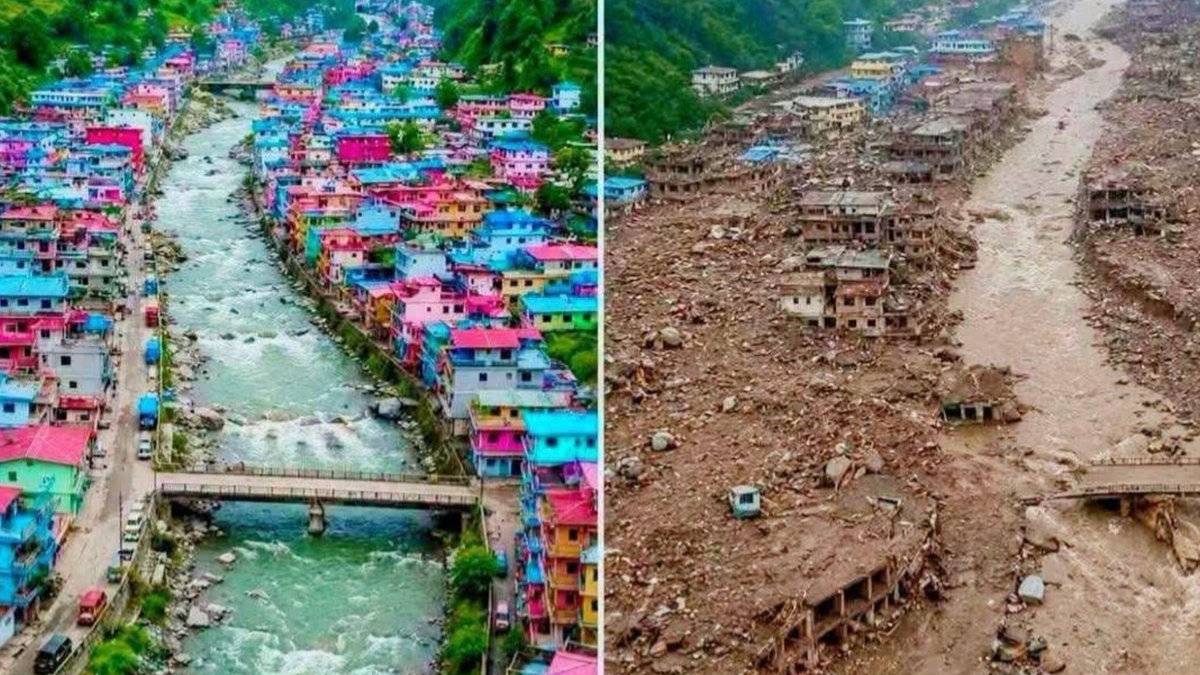
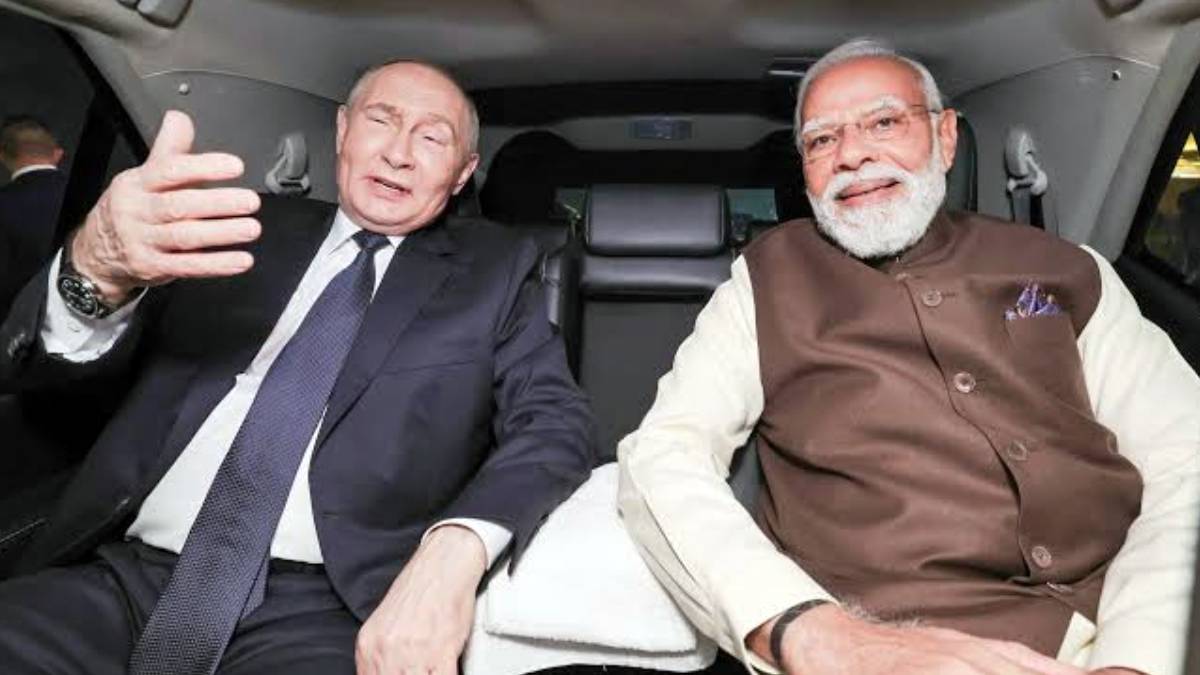
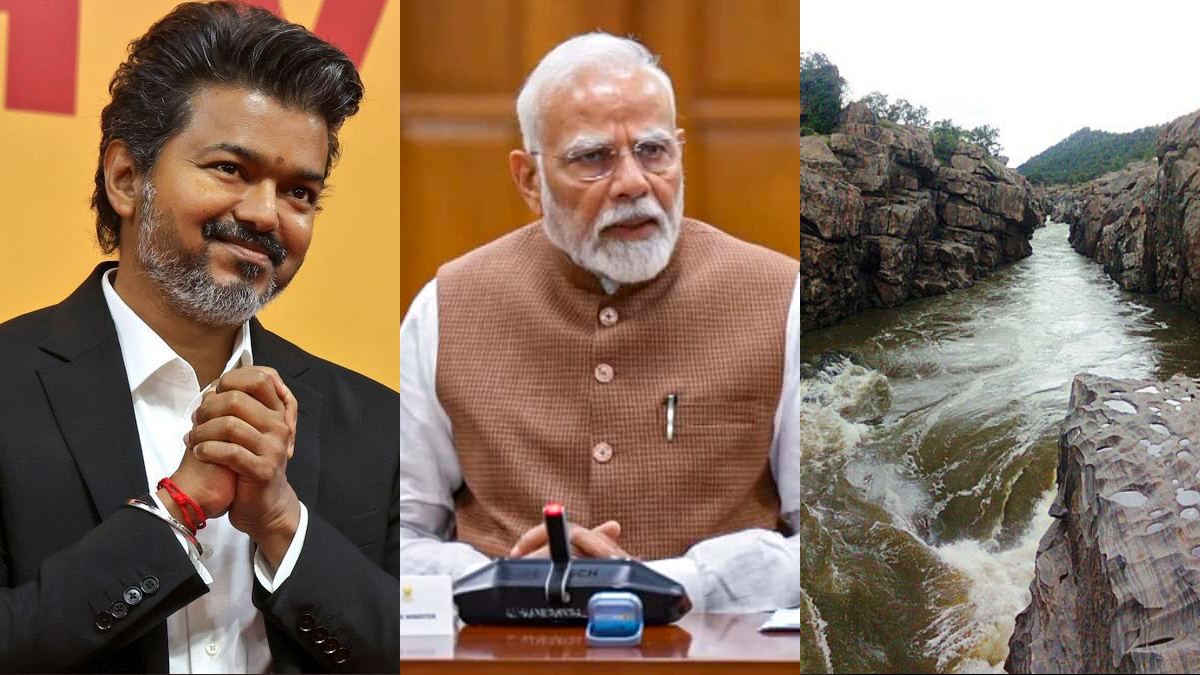
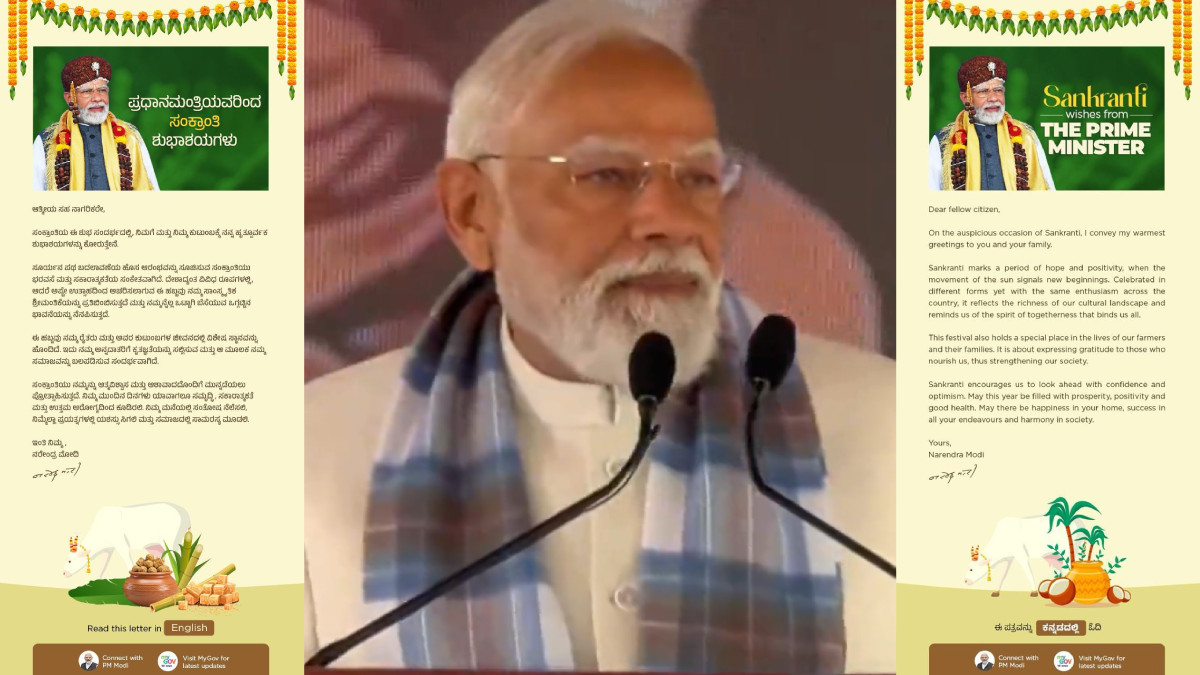
Narendra Modi has spoken to Nepal Prime Minister Balendra Shah and expressed his sorrow at the loss of lives as a result of the heavy floods in Nepal. Nepal is dealing with the aftermath of the torrential rain and rescue and relief efforts are a priority for both the government and humanitarian organizations.
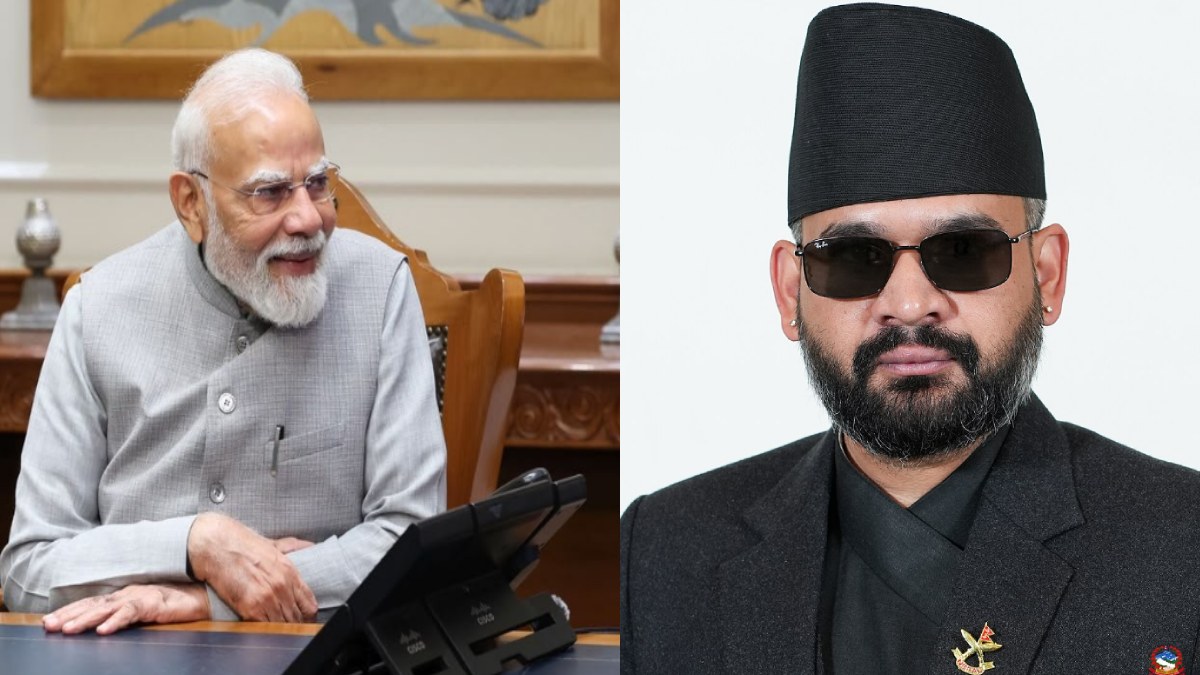
Narendra Modi said he was in touch with his “sisters and brothers” of India’s people in Nepal to say that India stands in solidarity with its “sisters and brothers.” He also noted India is ready to help the neighbouring country as it goes through the flood crisis. In terms of the response of India's teams, Modi said Indian authorities are working with Nepalese authorities to coordinate rescue and relief efforts and will be in close contact with Nepal in the areas of rescue and relief, he added.
The outreach underscores the close relationship between India and Nepal, two neighbouring countries that share deep historical, cultural and people-to-people ties. Floods, in particular, have a devastating impact on communities, infrastructure and livelihoods so cross-border collaboration is especially important when emergency assistance is needed.
Flooding has many challenges for affected communities. Heavy rainfall and overflowing rivers can inundate residential areas, damage roads and bridges, disrupt electricity and communications, and complicate the logistics of emergency services to reach people in need. In such circumstances rescue efforts are often based on coordination of the local authorities, security services, medical teams and disaster-response organisations.
India’s offer of humanitarian help reflects the country’s broader approach to supporting neighbouring countries during major emergencies. Support could be rescue efforts, relief efforts, medical assistance, logistical coordination, and more of an emergency response depending on the needs of the affected country.
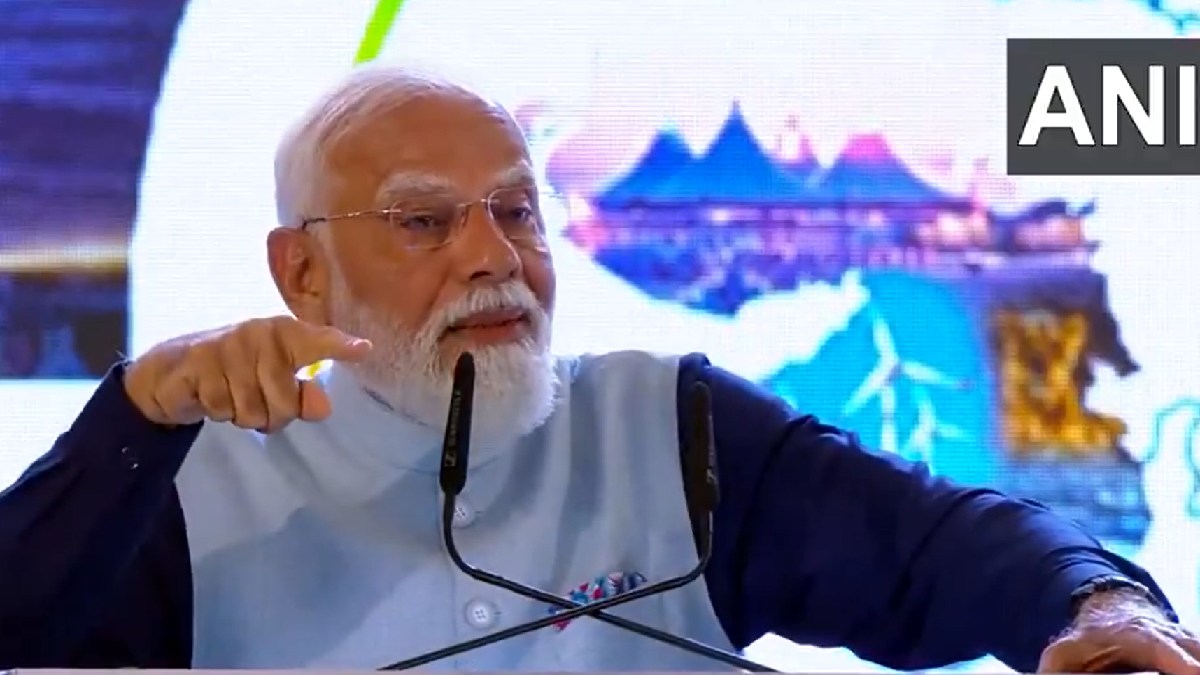
The Prime Minister’s conversation with Balendra Shah is also diplomatic. India and Nepal have extensive bilateral ties in terms of trade, energy, connectivity, tourism, education and security. Regular coordination between the two governments is important during emergencies that can impact border regions or can impact transportation and communication links.
As Nepal is one of the countries in need of timely rescue and relief efforts for the affected people in the region, emergency relief efforts are crucial to the people who have been affected by the floods, and so too the rescue and recovery efforts are necessary as the government is working to help the population that is most impacted by them. Emergency agencies will usually focus on people in the flooded areas, vulnerable populations and those who are badly in need of immediate medical help.
The scale and nature of assistance required will depend on the situation on the ground. India’s assertion that its teams are working closely with Nepal indicates that it is working with Nepalese authorities rather than alone. In this way, coordination can help direct resources where they are most needed.
The floods have also re-emphasized disaster preparedness in the Himalayan region. Nepal's mountainous terrain and river systems mean that during periods of heavy rains some areas are particularly vulnerable to flooding and landslides. Early warning systems, evacuation plans, resilient infrastructure and rapid response are therefore crucial in order to minimize the impact of natural disasters.
The flood emergency in Nepal also shows India how closely communities are tied on both sides of the border. Thousands of people travel between India and Nepal for work, education, tourism, business and family reasons. The two countries are so close, changes in one country can have a negative impact on the other.
Prime Minister Modi’s solidarity message demonstrates that Nepal is not in the midst of this crisis on its own. His assurance that India will provide all possible humanitarian assistance signals that India is ready to help Nepal in the wake of the disaster and the disruption caused by flooding.
The immediate focus is to save lives, assist affected communities and restore essential services. Coordination between Nepalese officials and Indian teams may prove to be very important as the situation develops.
So the conversation between Modi and Shah is a message of condolence in which we also express a real commitment to assist the people of Nepal. With the rescue and relief operations going on and the people in Nepal still displaced, India is supporting them.
Further assistance will be determined by Nepal’s needs and the current situation on the ground. India’s response is clear at this stage that it stands with Nepal during the flood crisis and will be ready to assist affected communities in overcoming it to relieve the disaster.