Narendra Modi underlined India’s increasing people-to-people ties with Uzbekistan when meeting a variety of people in Tashkent who have close ties with India. The interaction brought together the Indian diaspora, environmental enthusiasts, yoga practitioners, academics, researchers, ITEC alumni and others who have developed professional, cultural or personal links with India. The continued engagement with India is very encouraging, and such links will help cement the relationship between the two countries, Modi said.
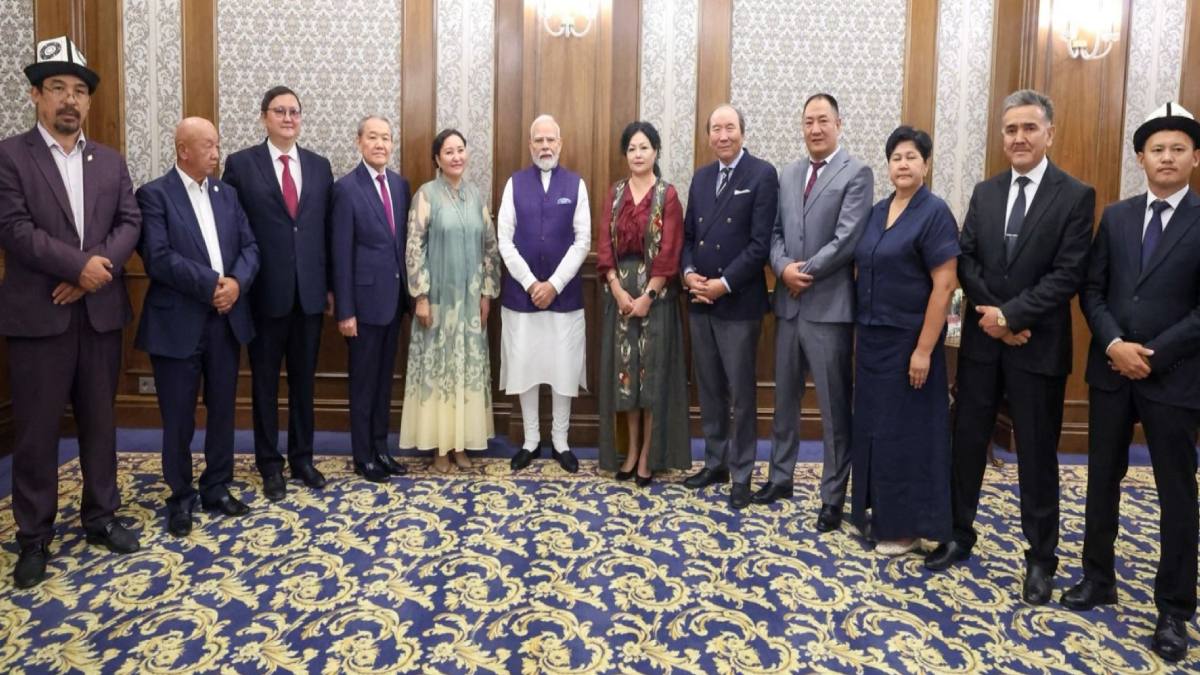
The diversity of people who have such a relationship with India is very much witnessed in the meeting. And although the Indian diaspora naturally becomes a bridge between countries, Modi's interaction also highlighted those people who connect with India through education, research, culture, yoga, environmental initiatives and professional programmes. Such people-to-people relationships can supplement formal diplomatic engagement and contribute to a deeper understanding of societies.
Yoga was one of the interesting topics during the interaction. Modi has consistently promoted yoga as a major component of India's cultural reach abroad and has highlighted its growing popularity across the world through yoga and other international practitioners. Uzbek and other international practitioners are taking up yoga as a global practice and have an interesting link to India’s cultural heritage.
One of the yoga practitioners Modi met had travelled to Ahmedabad to participate in the World Yogasana Championship, where the practitioner won a medal. The Prime Minister cited this as an example of the enthusiasm and dedication of people outside India who have taken yoga seriously and have associated it with Indian traditions.
The reference to Ahmedabad adds another dimension to the interaction. Gujarat, Modi’s home state, has witnessed more international events and cultural programs bringing people from a variety of countries to India. International visitors in such events can form personal connections with Indian institutions, cities and communities, and develop relationships that go beyond the duration of a particular competition or programme.
ITEC alumni were also present at the meeting. India's development partnership with other countries is very important because of the Indian Technical and Economic Cooperation programme. Through training and capacity-building programmes, ITEC has helped professionals from partner countries to acquire experience and skills through Indian institutions.
Following completion of their programme, former participants can be effective links between India and their home countries. Their professional experiences and personal links with India can help create lasting networks in education, technology, administration and other areas.
The researchers at the meeting also showed India's growing participation in knowledge and research networks. Educational and scientific cooperation can be particularly important in building bilateral relationships because it promotes long-term collaboration between institutions and individuals. Research partnerships, academic exchanges and professional networks can create relationships that persist when official relations change.
Environmental interests were yet another area of common interest. Climate change, sustainability and environmental protection have been more and more important globally, and cooperation in these fields can be a way of exchanging ideas, technology and experiences. The passionate environmental awareness and involvement of people showed that India is not just diplomatic and cultural as it is in India.
The interaction also highlights the importance the Indian diaspora has in India’s global reach. Indians and people of Indian descent living abroad have often been cultural and economic connectors between India and their home country. This is one of the things they can do so well—trade, education, tourism, investment and cultural exchange.
These personal and institutional ties for India and Uzbekistan are most important as the two countries explore new avenues of cooperation. With historical ties, cultural affinity and an increasing reach of economic and educational exchanges, relations between them will be further strengthened.
Modi’s message after the meeting was about the continuity of these relationships. And to him, his acceptance that he was pleased to continue the continuous engagement with India is in line with the government’s larger goal of building India’s ties with communities and people around the world as well.
The interaction also illustrates how India can have an impact and cultural presence through yoga, education, research and professional training. These networks are not only a vehicle for official diplomatic channels, but also for ordinary professionals, students, researchers and enthusiasts to create their own connections with India.
Met a group of people who have a close association with India.
— Narendra Modi (@narendramodi) August 31, 2026
This includes prominent diaspora members, those passionate about the environment, Yoga enthusiasts, academics, ITEC alumni, researchers and more.
Happy to see such continuous engagement with India.
One of the… pic.twitter.com/xiwRCoFBE9
The medal-winning yoga practitioner from the World Yogasana Championship was one of the most personal examples of this relationship. The Indian-hosted international event and the success in the competition gave an additional link between the individual and India.
In general, Modi’s meeting in Tashkent has exposed the many ways in which people, all over the world, keep their ties to India. From diaspora members and academics to researchers, environmental enthusiasts, yoga practitioners and ITEC alumni, the group represented a broad spectrum of India’s international relations. The interaction reinforced the notion that good bilateral relations are not only forged through government-to-government interaction but also through long-term relationships between people, institutions and communities.