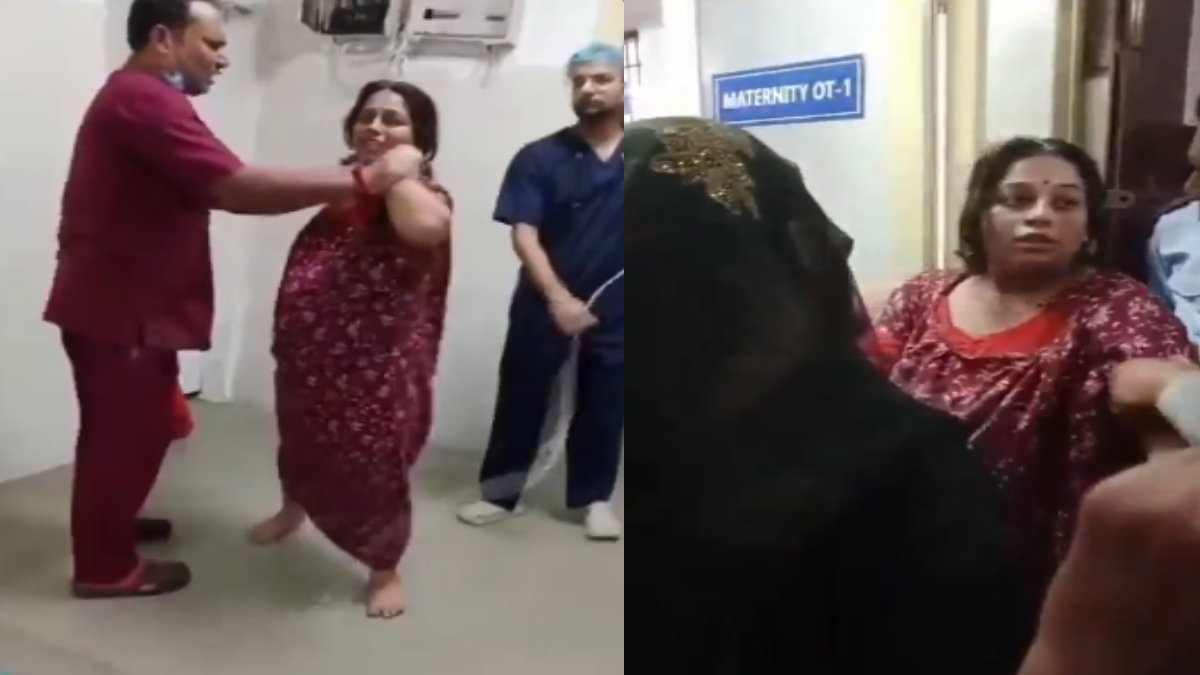
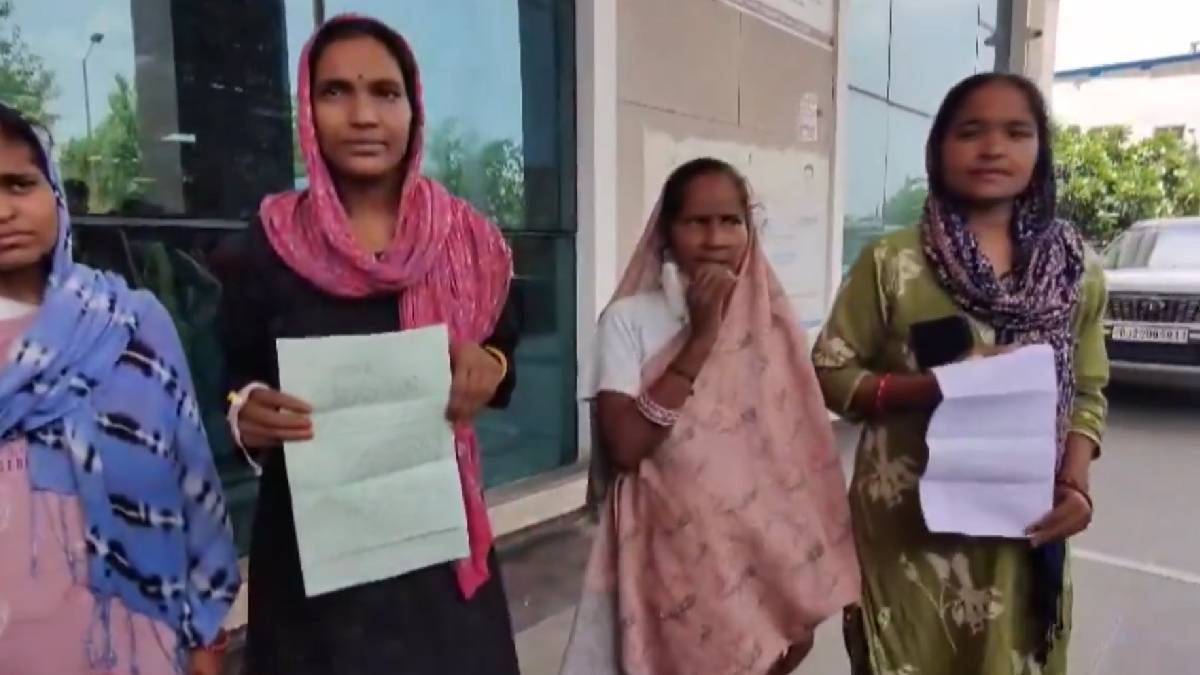
The deaths of 18 pregnant and postpartum women who have been admitted in Rajasthan government hospitals since May have raised questions about the quality of maternal healthcare in the state.
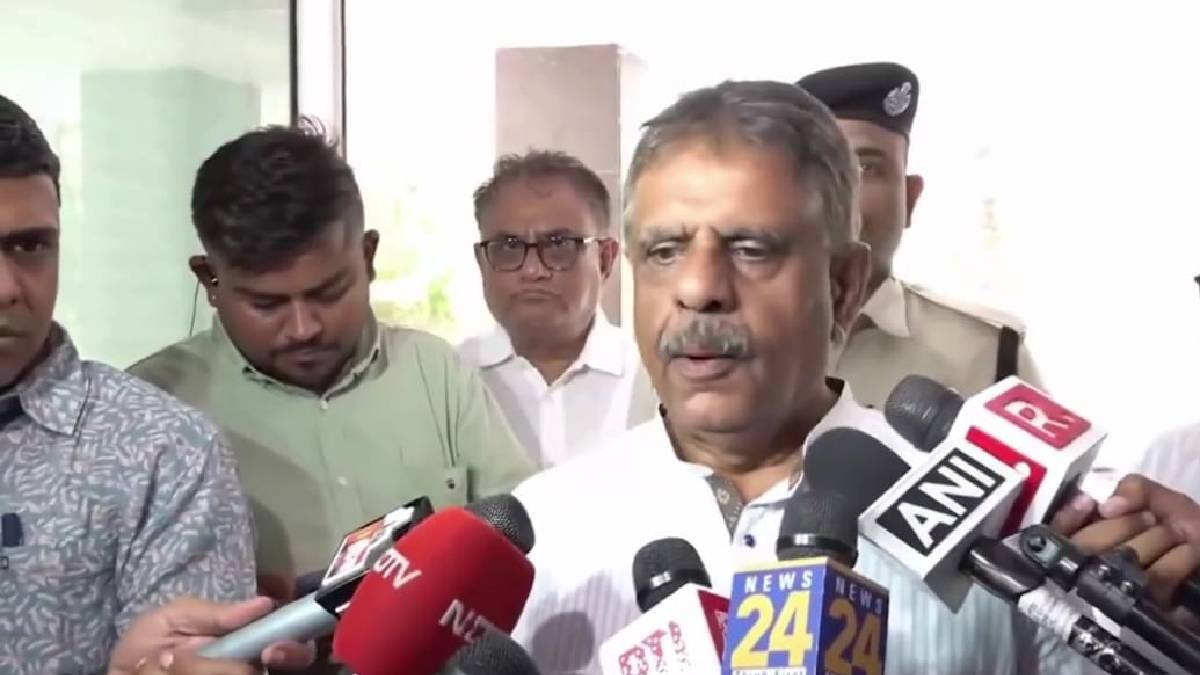
But Rajasthan Health Minister Gajendra Singh Khimsar said the government is not yet able to determine the reason for the tragic deaths.
“We can’t understand why these deaths are happening,” the minister said, adding that investigations are ongoing to determine what is the cause. His remarks have reignited a debate about public health institutions in hospitals and the care that public hospitals provide for maternal and neonatal care.
Maternal deaths of women have recently been reported from government hospitals across Rajasthan. Health officials have been looking for an explanation but no firm reason has been provided. Initial reports indicate that women develop complications in childbirth and some have been hospitalized or have suffered serious infections or medical emergencies. But authorities have not definitively identified a common cause for all the cases.
"स्वास्थ्य मंत्री जी के ब्रेक के चक्कर में 18 महिलाओं की जान चली गई!"
— Uday Bhanu Chib (@UdayBhanuIYC) July 14, 2026
पिछले 2 महीने में राजस्थान के सरकारी अस्पतालों में 18 प्रसूताओं की जान चली गई, कइयों की किडनी फेल हो गई, लेकिन स्वास्थ्य मंत्री को कोई फिक्र ही नहीं है।
जब उनसे सवाल पूछा गया तो उन्होंने बड़ी निर्लज्जता से… pic.twitter.com/Bcw32XFMaC

The incidents have worried healthcare experts who say that maternal mortality is often preventable with timely diagnosis, adequate infrastructure, skilled medical staff, and proper postnatal care.
They say repeated deaths in a short period call for a review of hospital protocols, infection control techniques, emergency response systems, and access to essential medicines and blood supplies.
Opposition parties have accused the state government of failing to provide good healthcare services in public hospitals. They have called for a transparent investigation, publication of inquiry reports, and tough punishment for officials who are found to have done wrong.
Civil society groups also have asked for independent audits of maternity wards in government medical institutions.
Rajasthan’s government has assured the public that expert committees are looking at each case individually. Medical records, laboratory results, and hospital management practices are being reviewed to identify systemic failures, officials said.
In addition, recommendations from these investigations will be implemented to support maternal health services, the health department said.
India has made significant progress in reducing its Maternal Mortality Ratio (MMR) over the last decade through institutional deliveries, better antenatal care, and increased healthcare access.
However, clusters of maternal deaths reveal old problems such as delayed treatment, shortages of trained healthcare personnel, inadequate monitoring, and hospital-acquired infections.
Public health experts say in order to address the immediate causes of these deaths, we have to work hard to strengthen healthcare systems to prevent similar tragedies. Better medical supervision, regular audits, better infrastructure, ongoing staff training, and timely referrals are all significant steps to safer pregnancies and childbirth.
The families of all the deceased women are still waiting for answers as investigations are going on.
Such incidents have made it clear that effective maternal mortality reduction requires policies that are implemented, accountable, and continuously monitored at all levels of the public health system.