India may be on the verge of a major change in the currency system in decades, as the RBI has put out a request for bids for polymer substrate sheets, which is widely seen as an important step towards the possible introduction of polymer (plastic) banknotes.
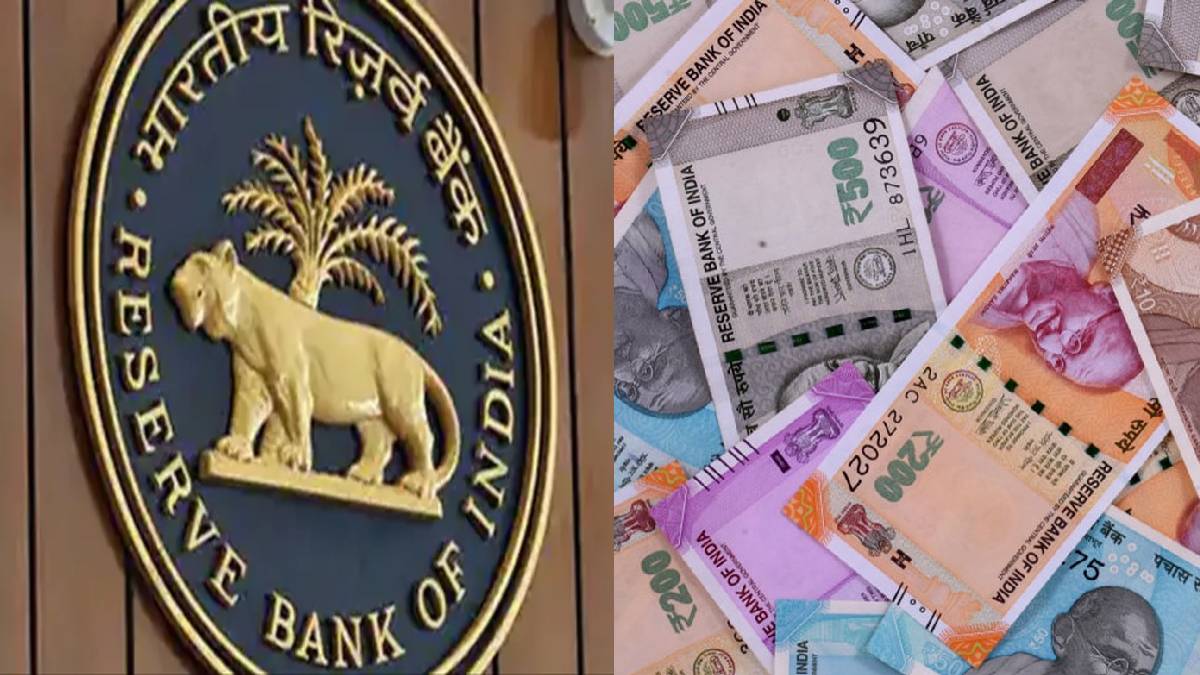
While the RBI is not openly announcing the launch of polymer currency notes, the tender for polymer substrates has raised speculation that India is actively exploring the transition from traditional cotton-based paper notes to more advanced polymer banknotes.
Polymer banknotes are made with a durable plastic substrate rather than conventional cotton paper. They are already in common use in countries including Australia, Canada, the United Kingdom, New Zealand, Singapore, and Vietnam.
One of the best benefits of polymer notes is their longevity, and the longer their lifespan when compared to cotton-paper currency can be beneficial for the currency system, as polymer banknotes have the highest quality and longer lifespan. The moisture resistance, dirt and wear resistance, and good weather resistance make them well suited for India’s climatic conditions.
Another major advantage is improved security features. Polymer notes can have transparent windows, holographic elements, complex optical effects, micro-printing, and advanced anti-counterfeiting technologies that are very difficult to copy. These features enhance the currency system’s integrity and reduce the circulation of counterfeit notes.
The introduction of polymer notes also coincides with RBI's ongoing efforts to modernize India's currency system. In recent years, in addition to the printing of polymer notes, many upgrades in Indian banknotes have been made in the form of security threads for more secure printing, color-changing inks, tactile input for the visually impaired, and new note series of the type introduced after 2016.
Even at a higher initial production cost, analysts say polymer notes can have a long-term economic benefit— even if polymer notes cost more. Because polymer notes last much longer than paper notes, central banks usually spend less on changing replacement notes over time. There is less wear and tear on these polymer notes, so the clean-looking notes will remain in circulation for a longer time.
Several central banks have been able to have positive effects after the adoption of polymer currency in the world. Australia has pioneered polymer banknotes and has been able to produce durable and counterfeit-resistant notes, and many other countries have recently switched to polymer-based currency for similar reasons.
If polymer banknotes are to be used in India, the transition would take place in phases at the beginning, with a few new denominations or pilot circulation before widespread use. Such an approach would allow authorities to see how banknotes will work in the Indian context and will be integrated into banking, ATM, and seamless cash-handling systems.
Since then, RBI has considered polymer currency several times; a trial run of lower-denomination currency was even discussed. The prospect of inviting global bids for polymer substrate sheets shows a renewed interest in this technology as part of India's currency management strategy.
But this invitation to bids does not mean polymer banknotes are going to be issued. This procurement could be part of technical evaluations, pilot projects, or future planning, and any final decision on nationwide adoption would need an official announcement from the Reserve Bank of India.
If implemented, polymer currency will be one of the most significant changes in India's cash economy in recent decades. Polymer banknotes with longer-lasting and sophisticated security features would enhance India's currency market and help the RBI to achieve the greater purpose of keeping India’s economy strong as well as secure, efficient and modern cash transactions.