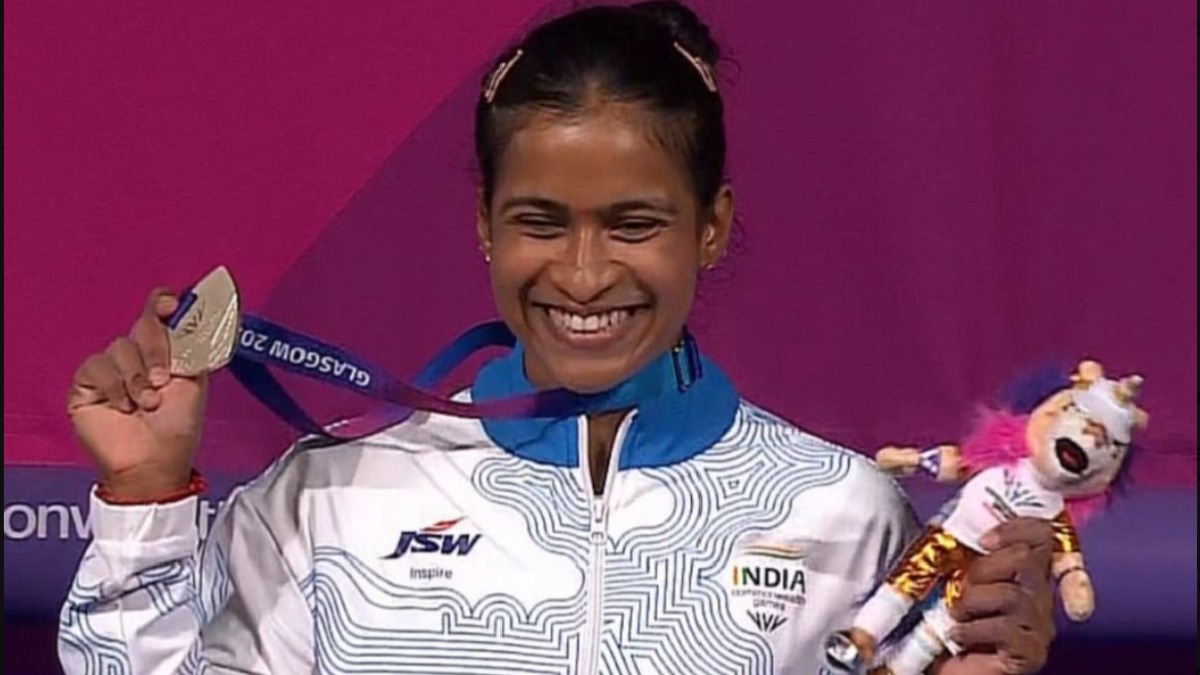
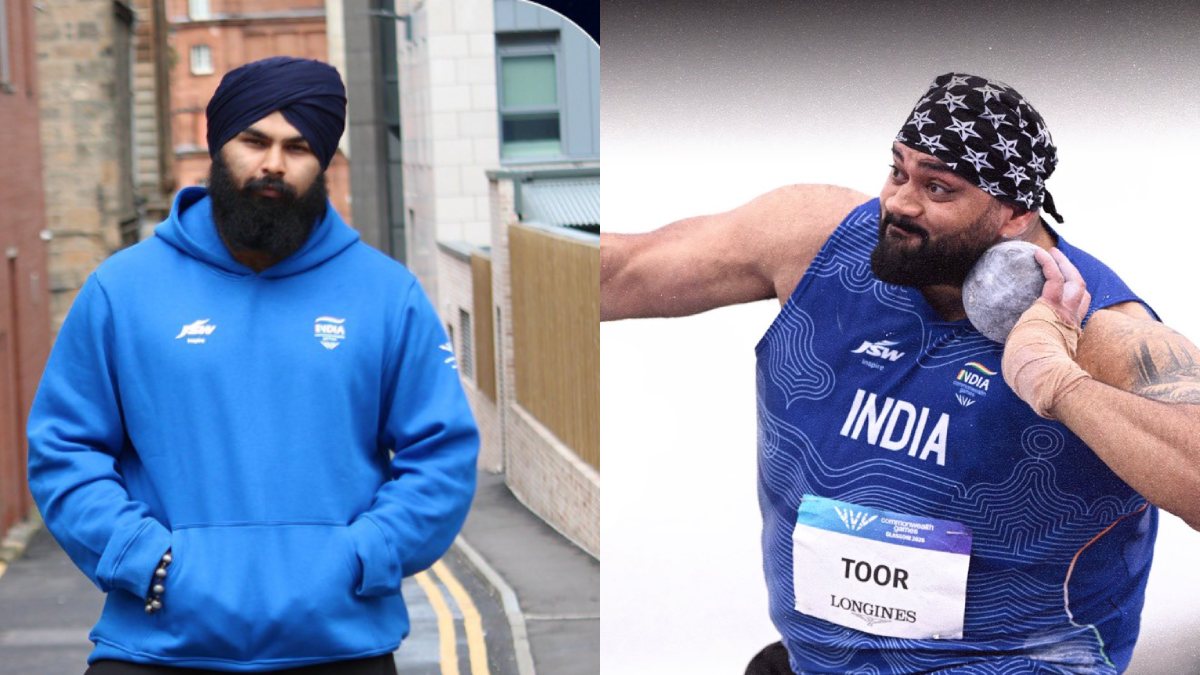
Tejaswin Shankar has etched his name in Indian history as the first Indian to win a Commonwealth Games medal in the decathlon. The 27-year-old athlete won an inspiring and gritty performance at the Commonwealth Games in Glasgow on Friday, July 31, earning 7976 points in 10 tough events over two hard days.
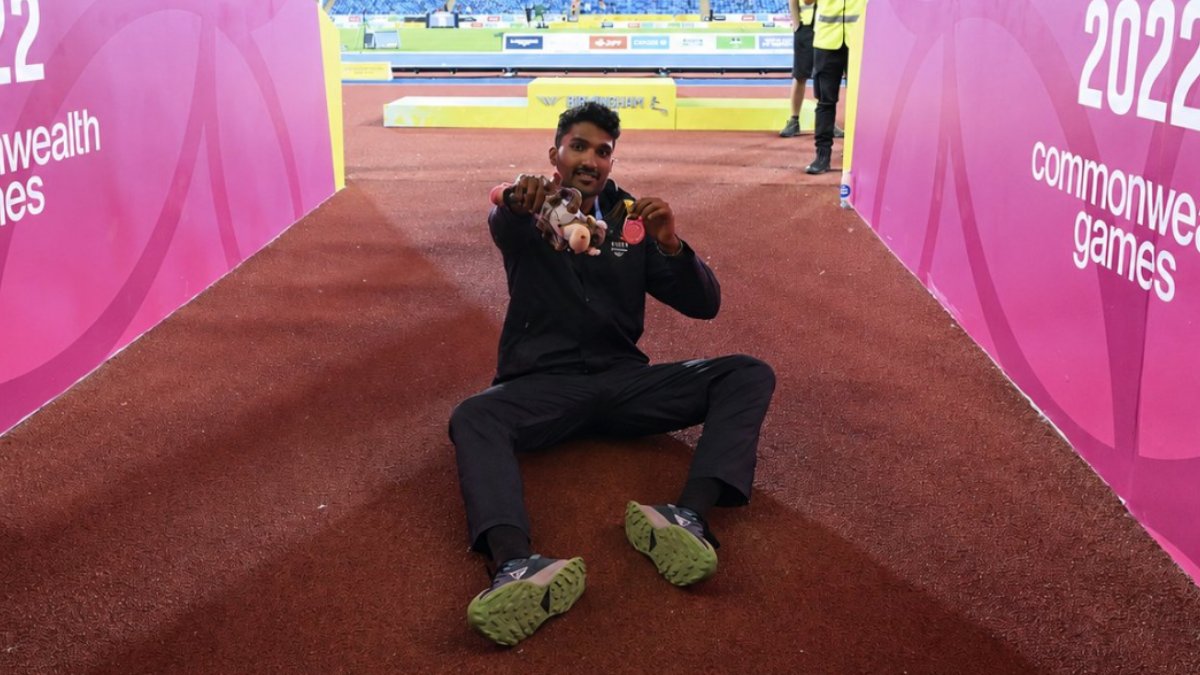
The battle for the podium was tight and went to the wire. Tejaswin finished behind Grenada's great athlete Lindon Victor (gold medal with 8096 points) and Canada's veteran Damian Warner (silver medal with 8036 points). With his doggedness and determination, Tejaswin defeated England's Sammy Ball with 7893 points to secure his third place finish.
The achievement of Tejaswin is yet another great chapter in his career. He already made history at the 2022 Birmingham Commonwealth Games when he became the first Indian to win a medal in high jump and now he is also the first Indian track and field athlete to win medals at the Commonwealth Games in different sports events. He also completed India's 49-year wait for an Asian Games decathlon medal with bronze in Hangzhou in 2023.
What makes Tejaswin's bronze medal in Glasgow an incredible feat of human endurance is the remarkable story of redemption. Just two days before the beginning of the decathlon, a knee injury on the eve of his career-altering event came at him and he was forced to pull out of the high jump final—his favourite individual event—and just after one try. And with a lot of suffering and the dread of missing out on the entire event too, Tejaswin’s remarkable mental fortitude drove him through all 10 multidisciplinary events and came back to get a podium place.
Tejaswin spoke to ANI after the event about his amazing journey from injury heartbreak to national gold-winning and he expressed great relief and happiness when he was asked to speak in his post-event interview with ANI. He said returning home with a medal was so fulfilling for him, especially since he had never expected such an amazing result two days prior to having a sudden flare-up in his leg that made him doubtful of even starting the competition. Tejaswin said he never anticipated ever winning so he went to work one day, one session and one step at a time. He had to live in the present moment of every throw, repetition and jump every day (and not too far ahead of time) and his focus on the present and every single throw and every single repetition and every jump to be able to succeed and accomplish that.