
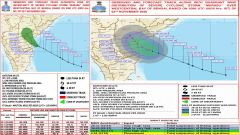
Cyclone Murasu has wreaked havoc along the coastal regions of Andhra Pradesh with two people dead and ₹344 crore loss estimated. The storm (the most powerful to hit the region in 14 years) brought heavy rainfall and strong winds that severely disrupted normal life in several districts.
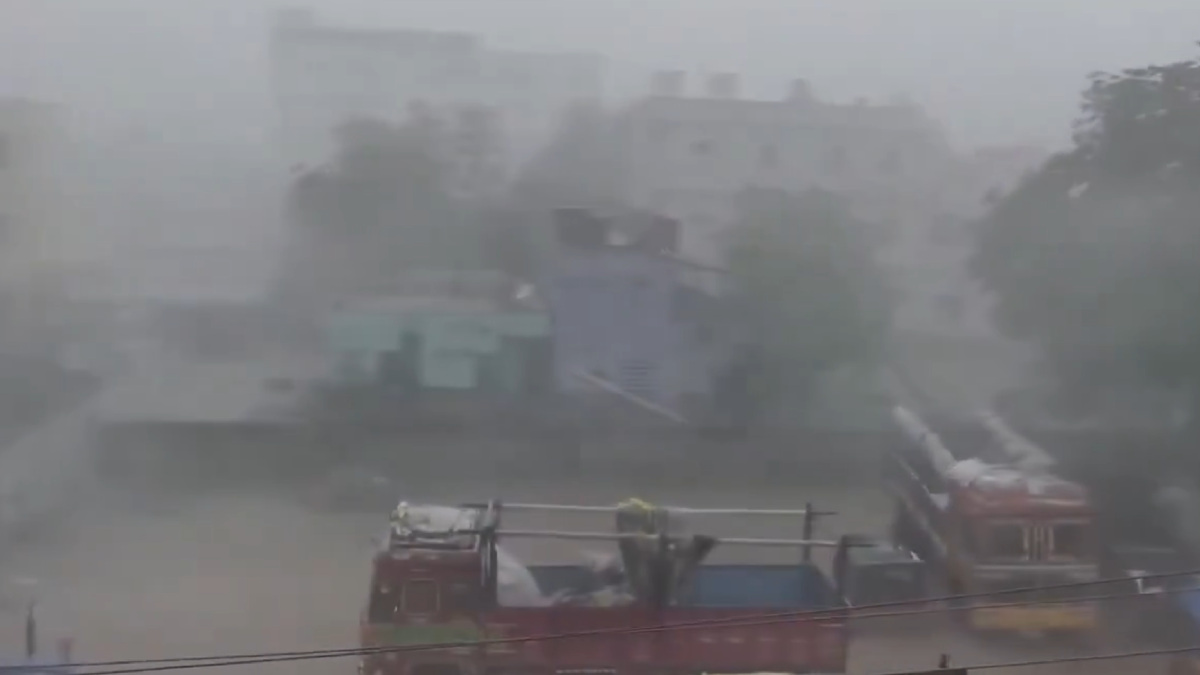
It was said to have made landfall late on Monday night, November 2 and crossed the coast in the early hours of Tuesday morning before weakening gradually. Though the storm lost intensity once it crossed the coast thousands of families, agricultural communities and local infrastructure were still affected.
At least two people died in cyclone-related incidents so far. Disaster has affected 1.75 lakh people across the affected areas (thousands of them have houses damaged, livelihoods disrupted and agriculture lost). More than 10,000 people were reportedly shifted to 171 relief centres as a precautionary measure to protect vulnerable residents from the impact of severe weather.

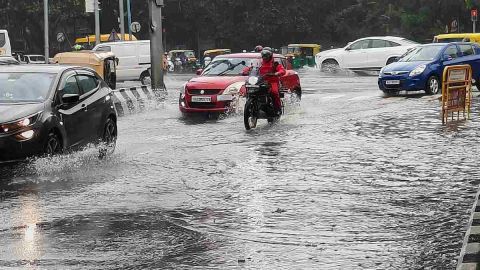
Evacuation arrangements were made for temporary shelter, food and other assistance to people living in areas hit by heavy rain and strong winds. Emergency response teams are also involved in relief and rehabilitation work.
The cyclone has reportedly damaged 312 houses, and several families are in need of immediate help. Strong winds and heavy rain hit residential areas, and normal activities were disrupted at many places. Several communities faced difficulties as the storm moved across the coastal belt, with properties damaged, transport and access to services, among others.
The scale of destruction has shown how vulnerable coastal communities are to powerful cyclonic systems (when there is heavy rainfall and strong winds together). Relief agencies and local authorities are assessing damage and extending support to affected families.


Agriculture has emerged as one of the worst-hit sectors after the cyclone. Crops on more than 30,000 hectares of agricultural land in 15 districts have been damaged so far. Farmers who were harvesting or depended on standing crops for income have lost a lot. Heavy rain, strong winds and waterlogging reportedly damaged agricultural fields, threatening thousands of farming families' livelihoods.
The financial loss from the cyclone is estimated at ₹344 crore now (final figure may change later as officials inspect affected areas). Agricultural damage is worrisome because it will impact farmers’ incomes and cause further economic hardship in the coming months.
The scale of destruction has forced neighbouring states to help Andhra Pradesh. Karnataka government has sent special teams for relief and rehabilitation operations in the state. The assistance is meant to strengthen ongoing emergency response efforts and help authorities deal with challenges posed by the cyclone.
Karnataka’s support shows that cooperation among neighbouring states is necessary during major natural disasters (when large populations need immediate assistance). Special teams deployed by Karnataka are expected to help with relief work and recovery in affected communities.
Andhra Pradesh Chief Minister N. Chandrababu Naidu thanked Karnataka Deputy Chief Minister D.K. Shivakumar for coming forward in the crisis and said that it was an example of cooperation and solidarity between the two states during difficult times. The help from Karnataka comes at a time when Andhra Pradesh is facing immediate consequences of cyclone casualties, damaged houses, destruction of agriculture and displacement of people. Cooperation between state governments can be an important factor in strengthening disaster response mechanisms and ensuring that affected communities receive timely assistance.
Meanwhile, Andhra Pradesh authorities are still assessing the damage caused by Cyclone Murasu. Relief and rehabilitation efforts need to continue as thousands of people affected by the cyclone need temporary shelter and other services too. Officials will have to assess damaged houses, agricultural land and public infrastructure before deciding how much more support is needed for recovery. The government will also have to help farmers who lost crops and families whose homes were damaged by the storm.
The cyclone has once again shown how extreme weather events devastate coastal communities and agricultural economies. Two deaths, 1.75 lakh people affected and preliminary losses of ₹344 crore. Andhra Pradesh has a long recovery ahead of it. Karnataka’s decision to send special relief teams has helped in this difficult phase. Rehabilitation operations will continue; normalcy has to be restored, and every family affected should get adequate assistance. These are immediate priorities for authorities.






Comments