A new generation of robots is pushing the boundaries of personal transportation and a particularly novel concept has been demonstrated by China: a robot that people actually can ride on.
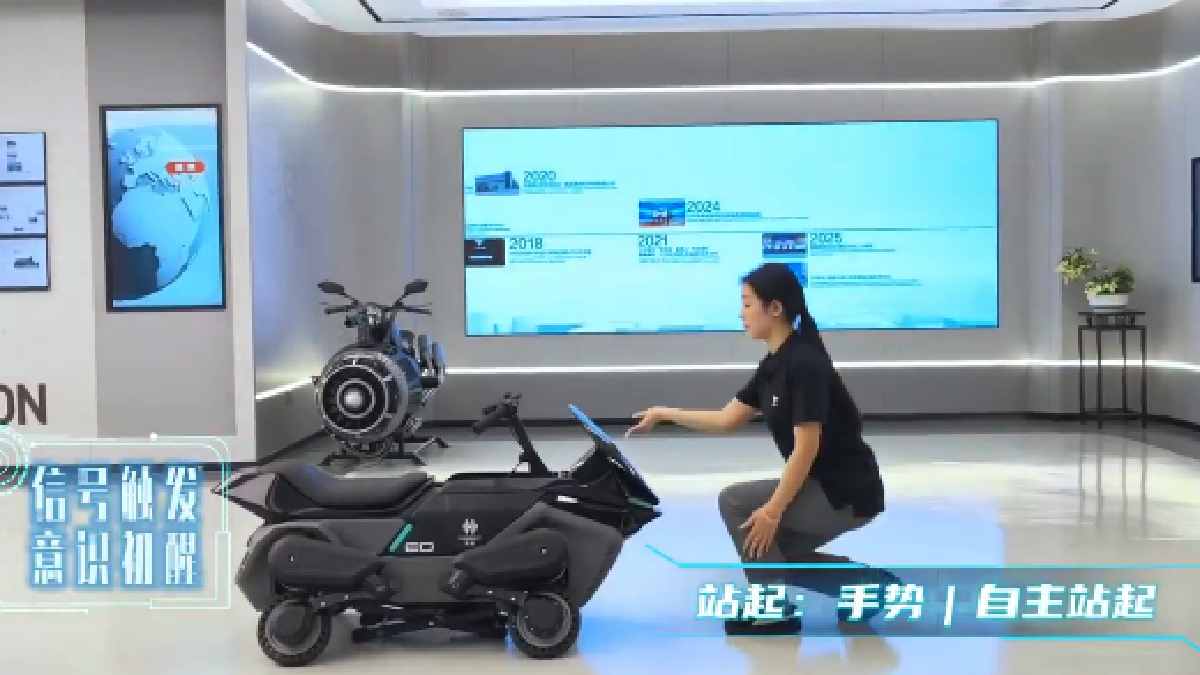
Called VOGEBOT, the robot combines a wheeled platform and quadruped-style robotic structure and can navigate obstacles that are hard to get on.
Unlike a traditional four-wheeled vehicle, VOGEBOT has robotic legs that give it a bit more flexibility in its movement.
The combination of wheels and legs allows the machine to maintain mobility while tackling uneven ground, slopes and other hard terrain. It is an interesting example of how robotics may eventually move from factories for research to everyday transportation.
The most mind-blowing thing about VOGEBOT is that it can carry a human rider at first glance. It’s almost like a personal robotic vehicle as opposed to a robot that can do so. You could sit on the machine and your robotic systems are balancing and moving on it.
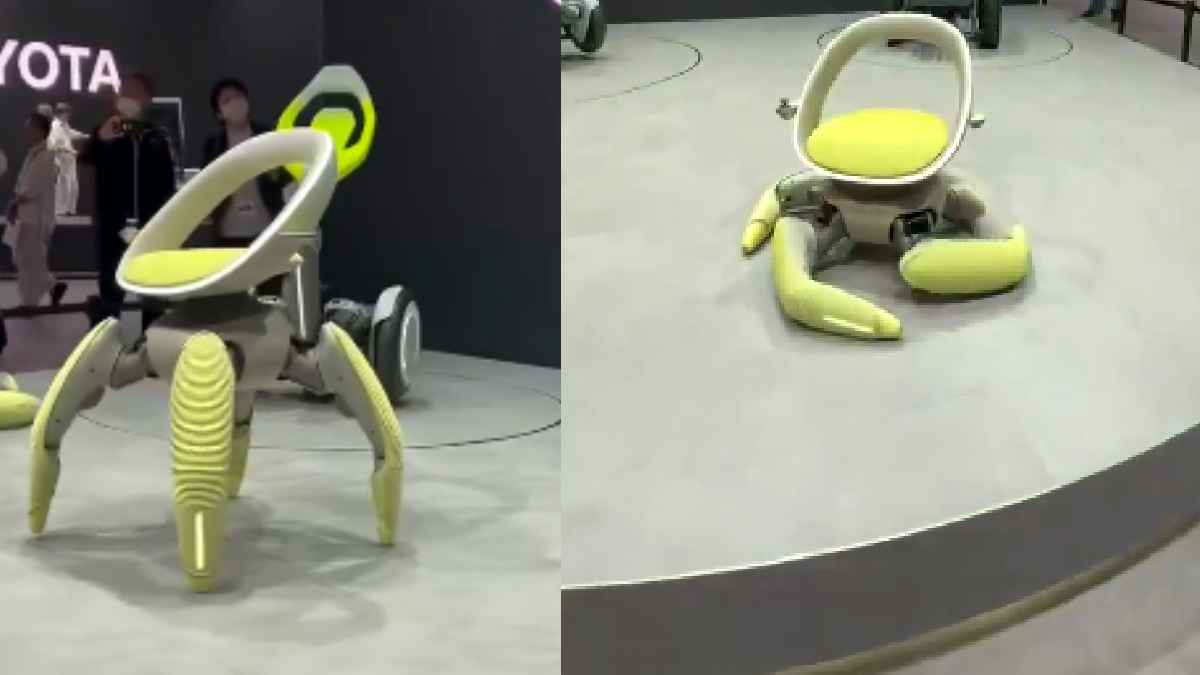
The ability to negotiate slopes and rough terrain could make this technology more useful in situations where ordinary vehicles can’t. Industrial sites, agricultural sites, construction sites, outdoor exploration and emergency response operations may all be used.
China built a robot you can actually ride.
— clankr (@clankrmedia) September 3, 2026
VOGEBOT is a wheeled quadruped that can carry a human.
It climbs slopes and handles rough terrain.
Would you ride one? pic.twitter.com/FJfPch9GYX
Robots that can move people across more difficult terrain could also be used for inspection and rescue.
The development is in line with a larger robotics trend in which engineers are innovating with robots that combine different types of movement.
On relatively smooth terrain, wheeled robots are more efficient, while legged robots are more flexible. Combining the two approaches will allow for a smooth, stable and off-road capability.
But rideable robots still need to be developed and tested in order to be a reality before they become a norm. Safety is the most critical issue.
A machine moving a person needs stability, mechanical components and sophisticated control systems. Battery capacity, operating range, rider protection and the capacity to respond quickly to unexpected obstacles are just as important.
Another factor is cost. Robotic systems require sensors, motors, batteries, control hardware and software, all of which can be expensive but might be cheaper than a traditional vehicle.
But VOGEBOT shows us the future in which transportation is not only a car, motorcycle or scooter. People may indeed travel on intelligent machines that adapt to the terrain underneath them.
VOGEBOT is still a fascinating, experimental robotic mobility experience in its own right for the moment at least. But as robotics technology advances, rideable machines might become more and more feasible.
The bigger question might no longer be whether robots can carry humans, but where humans will choose to ride them.