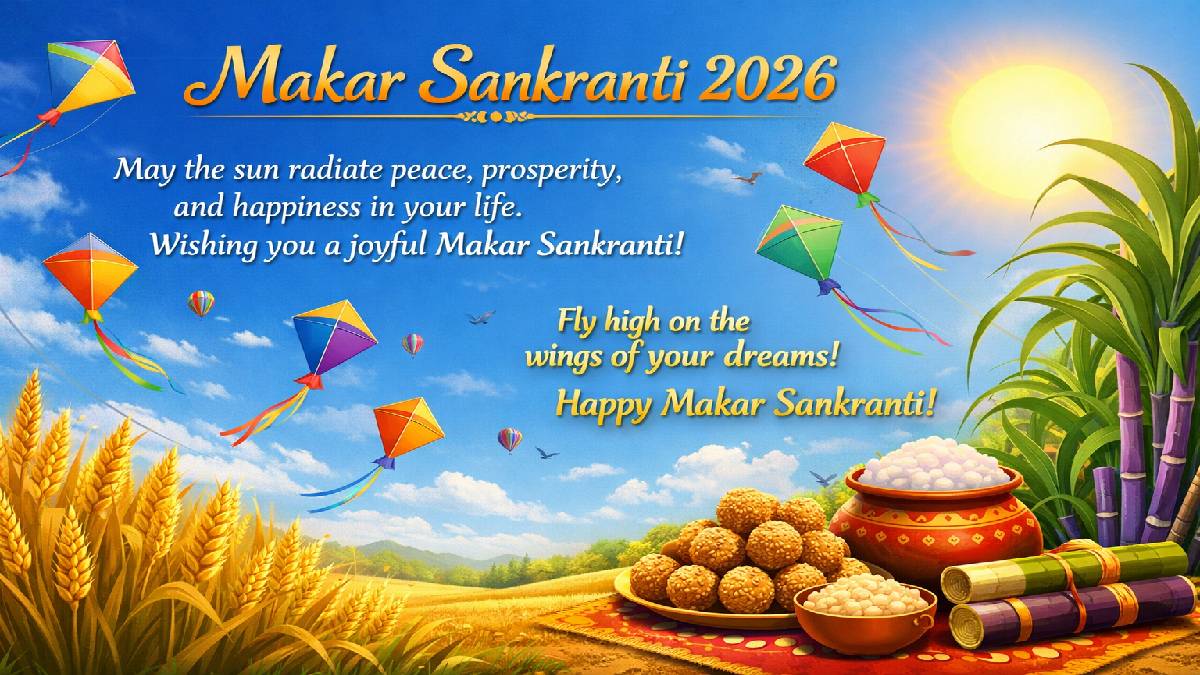
One of India’s major festivals that is based on the movement of the Sun is called Sankranti.
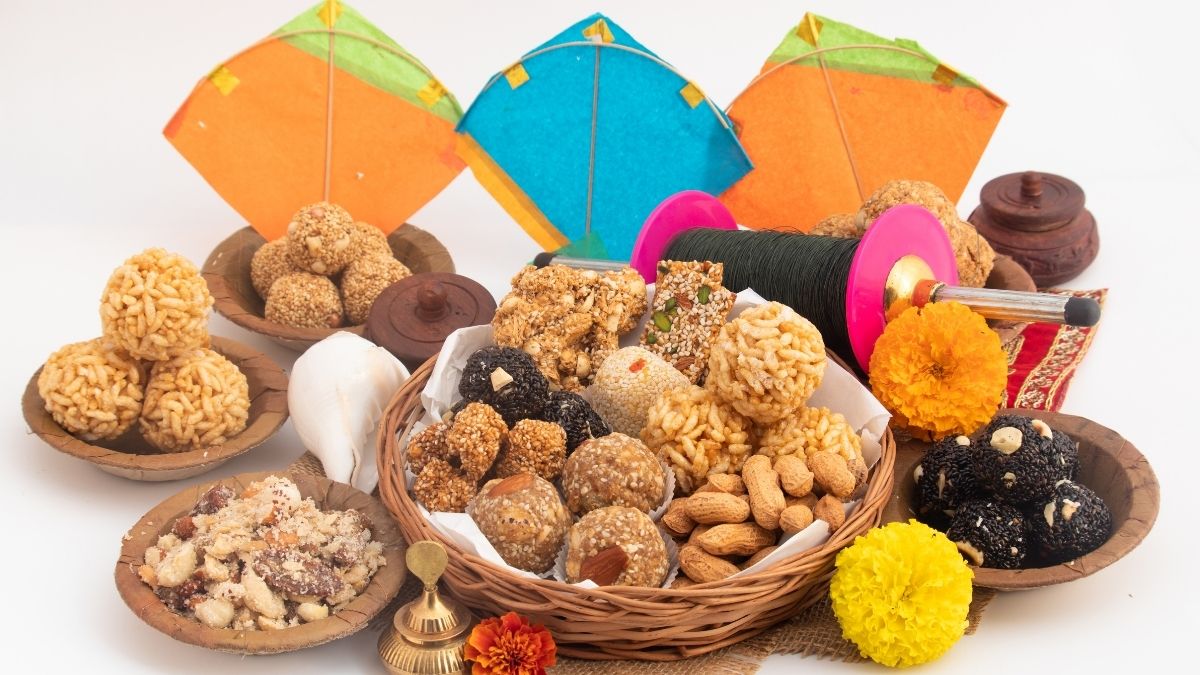
Sankranti: Signifying that the sun will change from one zodiac sign to another. Most popular of the many Sankrantis celebrated each year, Makara Sankranti commemorates the entrance of the Sun into Capricorn, most often occurring during mid-January. Sankranti is an astronomy festival of the sun, unlike lunar calendar festivals.
One orbit of the Sun takes about 365 days, 5 hours and 48 minutes for the Earth to complete. Only 365 days of usual calendar year are taken into account. Thus, there is a fraction missing from where 365 used to be and this sums up over time. So every 72 years, the calendar changes slightly by a day, so Makara Sankranti either lands on January 14 or January 15 in different years.
Because they are all movement by sun, this is crucial in connecting Sankranti to a wide variety of festivals, which happen around the globe around the placement of the Sun rather than the Moon itself. In China, the festival Dongzhi marks winter solstice, with the sun returning to longer daylight hours.
In some parts of Central Asia and in Iran, Nowruz (the Persian New Year) is celebrated at the spring equinox in reference to the renewal and rebirth. Western European indigenous peoples of Europe, such as the Celts and Norse, would celebrate solstices with festivals, like Yule, that were later used as seasonal festivals. The Inca culture of Latin America worshipped Inti Raymi, which is a festival that celebrates the Sun god, which is synchronized with a winter solstice in the Southern Hemisphere.
Likewise ancient Egypt synced temples and rituals around the Sun’s annual cycle (but particularly between solstices and equinoxes), reflecting how the sun helps us all be through both the seasons. The customs vary, but the festivals all center around the same thing: the Sun as a timekeeper and an instrument of existence.
Like its overseas counterparts, Sankranti shows humanity’s long battle to harmonize social life in agriculture and spirituality to celestial rhythms. To the greater world audience, Sankranti is a witness to these solar festivals alongside the festival and is an object lesson in how ancient systems of knowledge across civilizations devised ways to recognize and celebrate the Sun’s role in sustaining life on Earth.