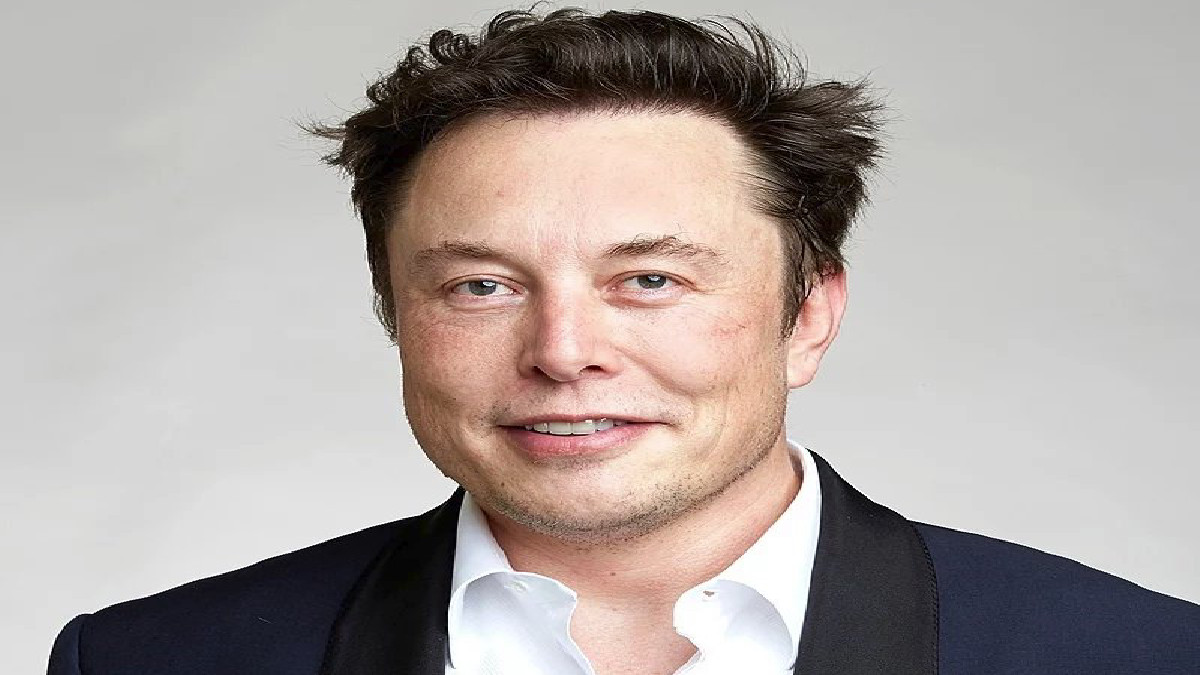
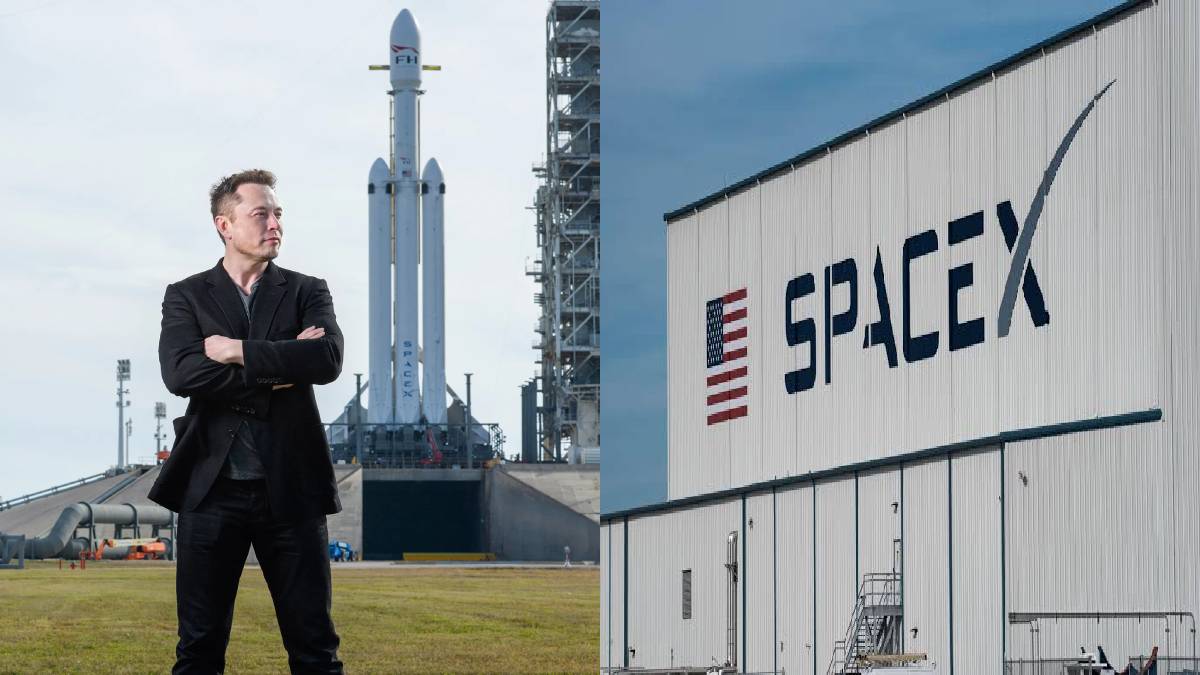
Elon Musk has weighed in on the emerging idea of moving artificial intelligence computing infrastructure into space, saying that the amount of compute in orbit could eventually “round up to 100% of all compute.” His comment came as Google prepares for an early in-orbit test of Project Suncatcher, a research programme exploring whether large-scale machine learning infrastructure could one day operate in space.
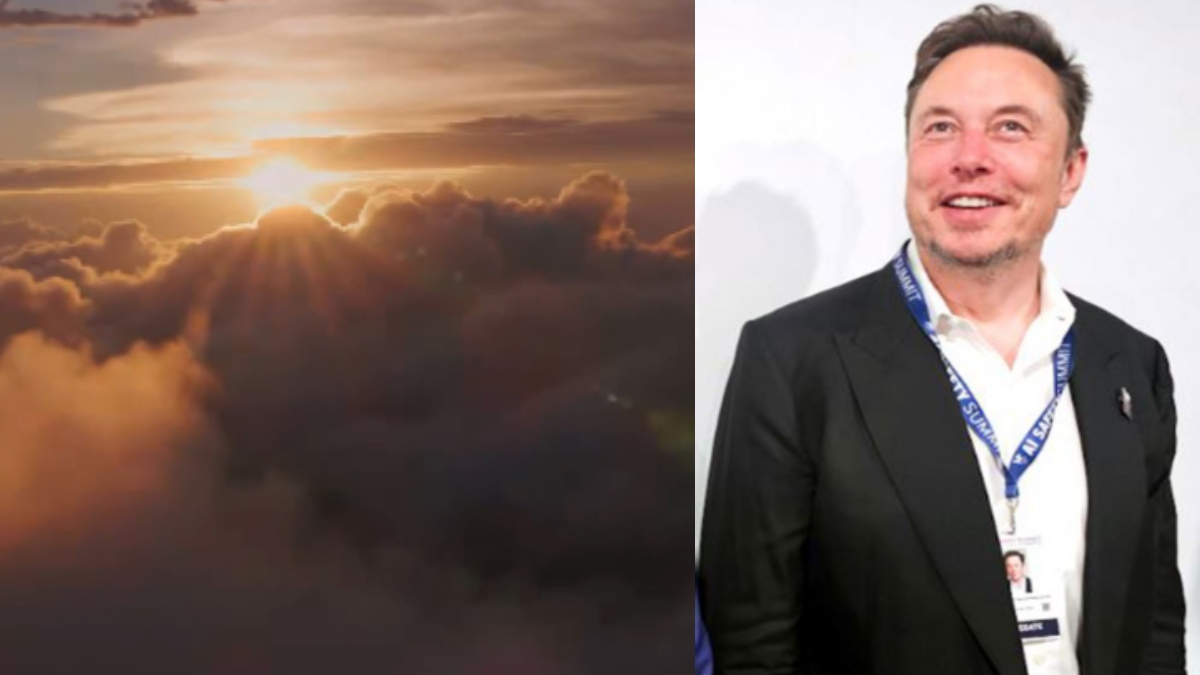
Google said on September 24 that Project Suncatcher is performing its first test in orbit, with a prototype satellite containing Google Tensor Processing Units (TPUs). The mission is intended mainly as an engineering and learning exercise, not for a commercial orbital data centre. Google is working with satellite company Planet and the first hardware will travel on SpaceX’s Transporter-18 rideshare mission. The test will examine the performance of Google's AI hardware in orbit and how it will work in a physical and environmental environment.
The larger idea behind Suncatcher is to see if satellites with AI processors could eventually form interconnected computing networks in low Earth orbit. Google says satellites in low Earth orbit will have a constant supply of sunlight and could potentially generate eight times more solar power than in other solar installations on Earth. The question is whether that abundant solar energy will eventually be used to support a large volume of machine learning computation.
But the first mission is to answer basic hardware questions. Google is determined to understand whether its TPUs can withstand the vibration and acceleration of the launch, radiation exposure and the thermal conditions of space. Google says launch conditions can cause spacecraft to experience substantial vibration and acceleration, and that individual components can be subject to significantly larger forces. The company has done vibration and radiation testing on the ground before sending the hardware into orbit.
Radiation is one of the biggest technical challenges of the technology. Outside Earth's atmosphere, electronics are exposed to solar particles and cosmic rays that can cause errors in computing hardware. Google said its Trillium TPUs were tested in a proton-beam facility during AI workloads, and initial results showed that they could tolerate radiation exposure that was higher than the total ionising dose expected during a five-year space mission. The orbital test will provide further data under real conditions.

Cooling is another challenge. The traditional data centres rely on airflow and other terrestrial cooling systems, but space is a vacuum and heat can't be removed through normal convection. So Google is looking into systems with heat pipes and radiators to move heat away from the TPUs. Thermal vacuum testing on Earth has already been used to simulate the environment that the hardware will encounter in orbit.
The future version of the idea would also require high-speed communication between satellites. Google envisions clusters of satellites with multiple TPU chips, communicating with one another using laser links. The company plans to test this aspect of the technology during a later mission with two satellites to be put in orbit in 2027 to study the ability to connect satellites in high bandwidth.
Project Suncatcher was announced by Google in November 2025 as a long-term strategy on whether interconnected solar-powered satellites could eventually scale machine-learning computation in space. Google described its next step as a learning mission with prototype satellites, and its goal was to test hardware and build the foundation for orbital computing systems to come.
The amount of compute in space will obviously round up to 100% of all compute https://t.co/BJJhy1JQ1t
— Elon Musk (@elonmusk) September 24, 2026
Musk's latest comment adds another high-profile perspective to the debate over where the huge computing capacity required for future AI systems could be located. His statement is a prediction rather than a measured forecast, and Google's current programme remains a research project. The technology is still far from being a mature and economic technology for orbital computing as big as terrestrial data centers.
For now, Google is going to conduct its Suncatcher test to see if AI processors can reliably operate in orbit. The outcome would help understand the requirements for radiation protection, thermal control, satellite communications and long operation time for AI processors. If future tests work out, the results might have implications for future research into space-based AI infrastructure and solar-powered orbital systems that can be used to meet the growing demand for computing power.