France is experiencing a huge wave of unrest as student protests that began over concerns about school conditions have turned into violent clashes with police, forcing hundreds of schools across the country to close. The demonstrations began in Paris, but have spread to cities and towns, knocking out schools, damaging property and leading to thousands of arrests.
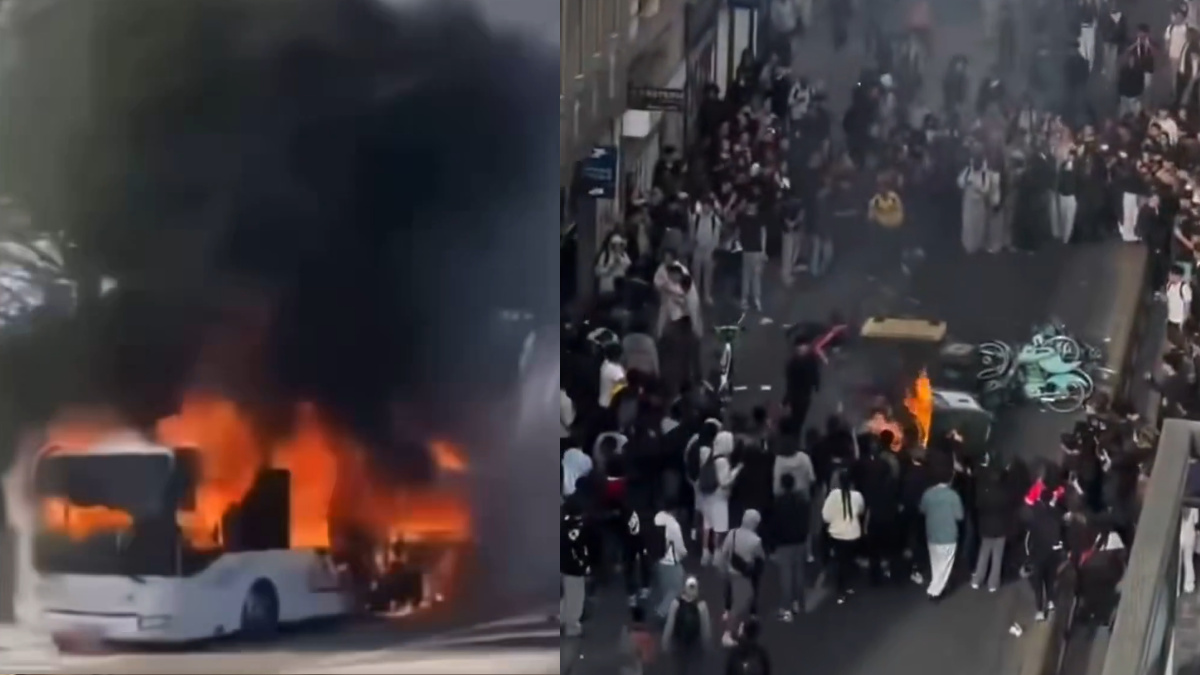
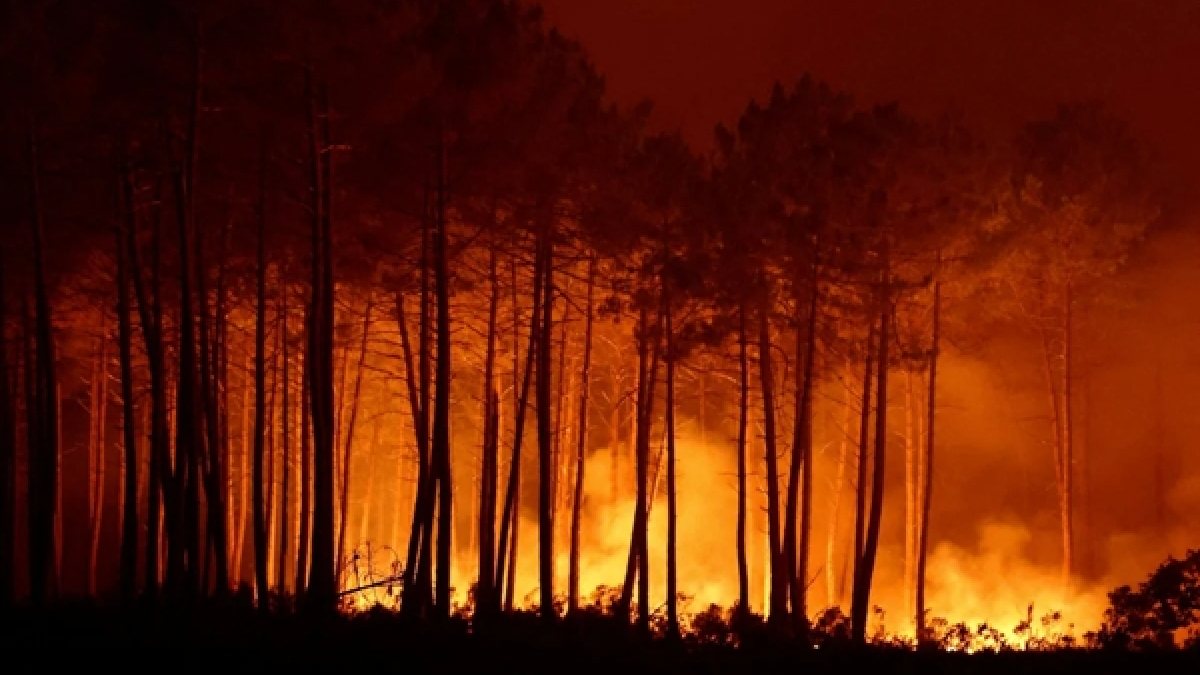
According to French authorities, almost 400 schools were closed as a precaution as protests grew and fears over student safety deepened. Burning barricades, damaged school property, a clash with riot police and disruption to public transportation were reported in cities across the country. In some areas, fires were reported around or in schools and police deployed tear gas and mass arrests to restore order.
French officials said more than 1,900 people were arrested during the unrest, with most of them teenagers. Since the protests began, hundreds of police officers, students and school staff members have been injured. There was also heavy damage to some schools that were forced to shut down for repairs and security checks.
Even though social media posts have linked the unrest to immigration, most major news outlets and official responses have defined the movement as a student-led protest centred on education-related grievances. Students have cited overcrowded classrooms, teacher shortages, deteriorating infrastructure, long school hours and fears about future educational opportunities as some of the main reasons behind the protests.
The French government has acknowledged that some of the concerns raised by students are legitimate but has strongly condemned the violence associated with parts of the movement. Arson, vandalism and attacks on public property are not acceptable and violent groups have taken advantage of the protests. Education Minister Édouard Geffray said some protests had been hijacked by “ultra-violent groups” and police would respond to criminal acts very firmly.
Fires also caused damage to entrances of two high schools in Paris. Blockades, burning rubbish bins and violent clashes between protesters and security forces also took place in other cities. Public transportation services were temporarily suspended in some places in the city to protect people due to safety concerns.
The crisis has also become a major political issue in France. The unrest is a product of a heated debate over the government's spending plans and education funding. Teachers' unions, student groups and parents have called for greater investment in schools, and opposition parties have criticised the government's response.
As protests continue, authorities are trying to balance public order with dialogue. Government officials have held discussions with student organisations, teachers and parents to address the real problems that are driving the demonstrations. But with hundreds of schools disrupted and tensions high, France is still struggling to get back to a normal school climate.