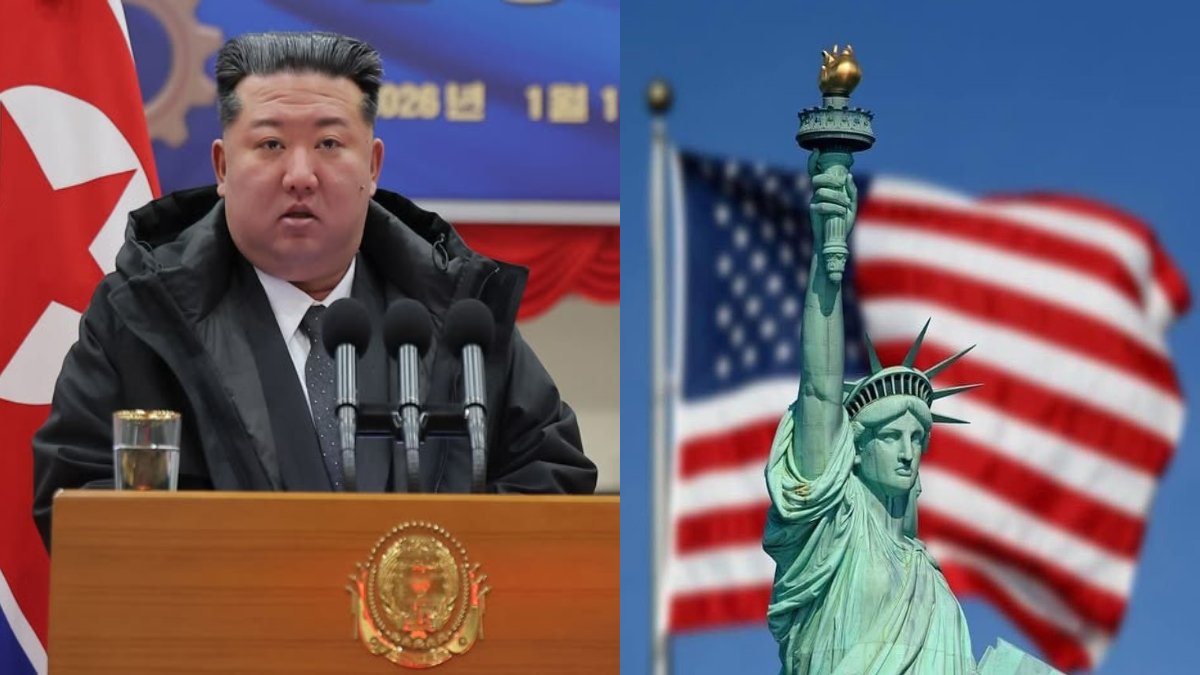
North Korea has been hit with some of the toughest economic sanctions, but Kim Jong Un has managed to generate so much foreign revenue that estimates have been made that the country is capable of generating $22 billion a year between 2022 and 2025. This massive increase in income has strengthened the economy of North Korea, funded its military modernisation and given it a level of financial flexibility that hasn’t been seen in years.
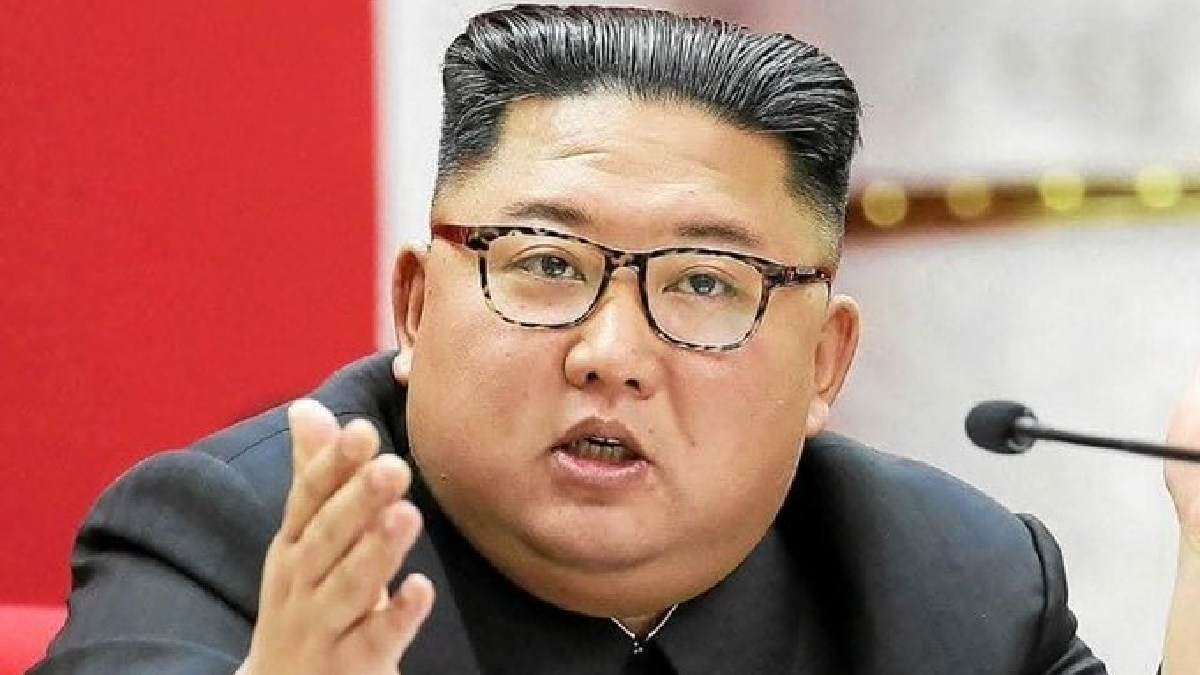
The most important factor behind North Korea’s recent economic prosperity is its support for Russia’s war in Ukraine, according to economic analyses and intelligence reports and the main reason why North Korea is now earning money from its allies. Pyongyang supplied Moscow with vast amounts of artillery shells, ammunition, military equipment and even troops.
Some estimates suggest that North Korean munitions helped fuel the bulk of Russia’s artillery requirements during the war and in return North Korea received billions of dollars in payments and access to resources, technology and diplomatic support. The partnership has helped alleviate much of the economic pressure generated by international sanctions.
The Russia-North Korea relationship has become one of the most important economic lifelines for Kim’s government, more than just military cooperation, because the alliance also has opened up trade, energy access, and infrastructure. The benefits of that partnership have helped North Korea re-establish its economy and finance big domestic projects, housing developments, transportation upgrades, and military expansion programs. The prosperity has also led to a lessening of the incentive for Pyongyang to hold denuclearisation talks, strengthening Kim’s bargaining power on the international stage.
But military cooperation is only half of the story. North Korea is one of the world’s most active state-sponsored cybercrime operators. North Korean hackers have stolen billions of dollars from banks, cryptocurrency exchanges and private companies over the last decade. The well-known Lazarus Group, which Western governments have linked to the North Korean state, has been carrying out sophisticated cyberattacks designed to generate revenue for the regime. These operations have become a source of foreign currency and are believed to help fund the country’s nuclear and missile programs.
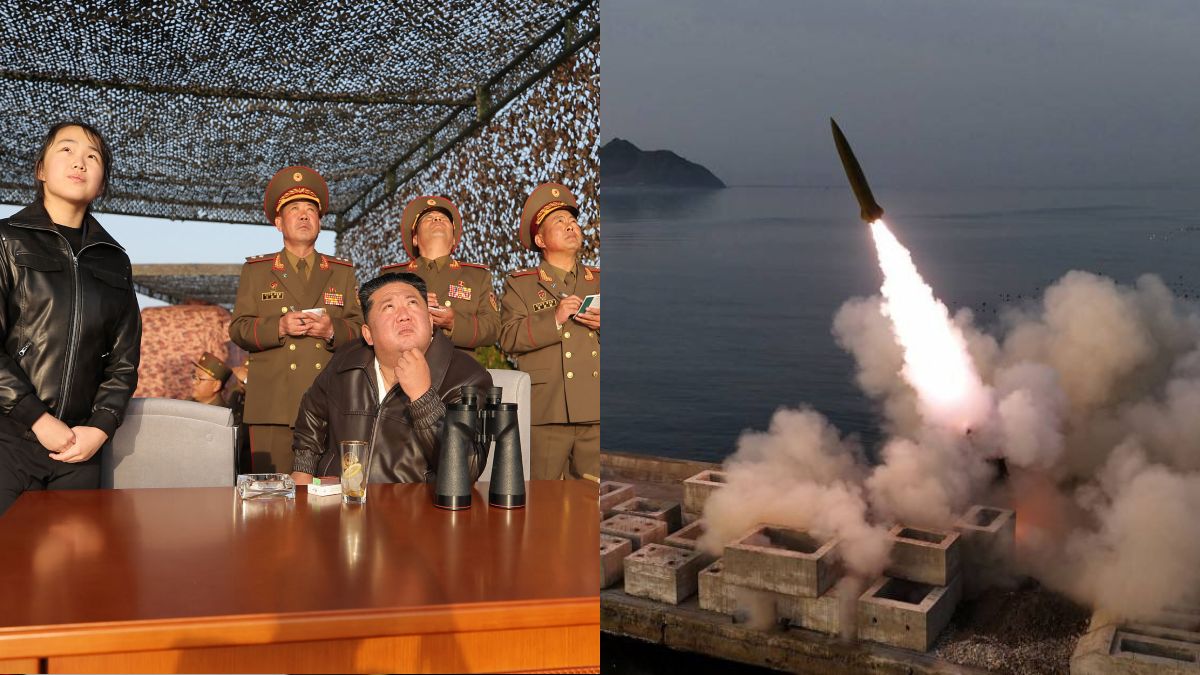
Cryptocurrency theft has emerged as one of North Korea’s most lucrative activities. North Korean-linked hackers have stolen billions of dollars in digital assets in the last few years, security experts believe. North Korean hackers have also been hired through fake identities in foreign companies for remote technology jobs and paid a salary and sensitive information to send back to the country, they add.
International investigators have warned for years that North Korea’s cyber capabilities are now comparable to those of more powerful nations. Unlike some state-backed hacking activities that concentrate on espionage efforts, North Korean cyber units are largely engaged in financially driven attacks. This unique approach helps the regime to generate a lot of money, overcoming the economic barriers with which it is subject to the UN and Western governments.
Russian support, trade relations and successful cybercrime tools have transformed North Korea’s economy. A large majority of the country’s population is still in poverty and food insecurity, but the economy is probably financially stronger than it had been for years. Analysts warn that this increasing wealth is only going to make North Korea’s military capabilities even stronger and make it harder for the international community to put a hold on its nuclear ambitions.
As tensions in the world continue to remake global alliances, North Korea’s ability to produce billions through sanctions demonstrates how modern warfare, cybercrime and strategic partnerships can alter the economic fortunes of even the world’s most isolated regimes.