In a dramatic turn in the most lethal of Pakistan’s wars, Sheikh Yusuf Afridi, a senior leader of the Lashkar-e-Taiba (LeT) group, was shot dead by some unidentified attackers in Pakistan’s Khyber Pakhtunkhwa province.
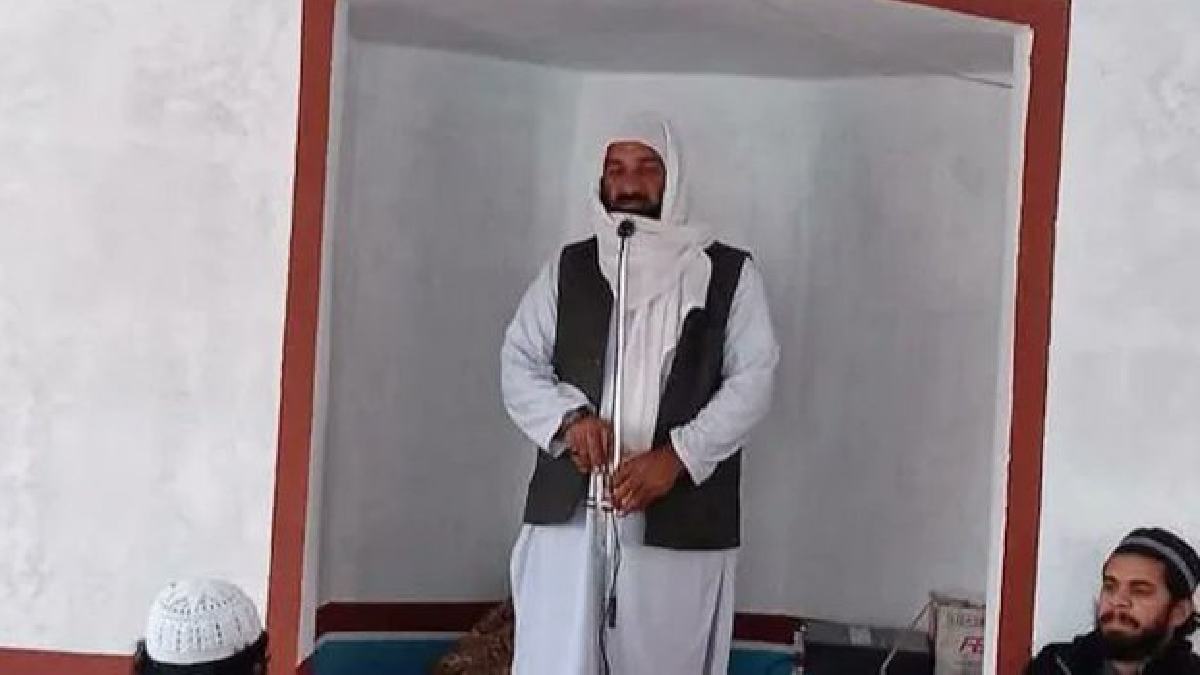
The killings, in the series of killings, reflect an increase in the overall killings of members of militant groups over the last few months. Unknown assailants opened fire at close range, shooting Afridi multiple times in a preliminary report, leaving him with nowhere to run and with no escape, the investigators said.
Investigators say the killing was an organised and considered one. This is a “targeted hit”, not a random hit. Afridi reportedly served as a major operative for Lashkar-e-Taiba, which has been labelled a terrorist group by countries such as the United States. He was an active member of the organisation who helped to organise and support the organisation.
It is not an isolated killing but just one part of an incisiveness that has swept Pakistan since this year. Attacks increased markedly in both number and violence over the past few months. Several militant senior figures who had been killed in mysterious circumstances were among them.
The death of senior Lashkar figure Amir Hamza in Lahore last month and the death of the older brother of Masood Azhar, Tahir Anwar, under unclear circumstances, have also been reported. Before the attack, Qatal Sindhi, who was believed to be responsible for the attack on Reasi, was killed in Jhelum.
Security analysts say the killings seem aimed at individuals affiliated with major militant factions like Lashkar-e-Taiba and Hizbul Mujahideen. Some 30 such deaths during the year alone were reported in cities like Lahore, Karachi, or some border areas, sources said. Inter-Services Intelligence (ISI) faces a key challenge in deciphering the identity of the attackers.
Repeated incursions in formerly relatively safe environments by operatives like this have resulted in an acute trust failure across Pakistan's security infrastructure. Experts are not the only ones who think that the continuing slew of assassinations could have enduring consequences.
A systematic elimination of mid- and high-level operators could significantly affect the operational capabilities of these groups, destroying these networks and internal coordination. The killings also send a clear message that, even within Pakistan, there is no longer a haven for those carrying out these types of activities. That change would determine the course of how these sorts of groups do things going forward.
As investigations expand on these discoveries, authorities are under pressure to discover who committed the killings, they say. Whether these attacks are a result of internal rivalry, foreign intelligence operations or other underground measures is uncertain. However, the security picture in Pakistan is changing: fundamentally and dramatically.