Nepal is struggling with one of the deadliest natural disasters in its recent history as the death toll from the catastrophic flash floods along the Nepal-Tibet border has risen to 469.
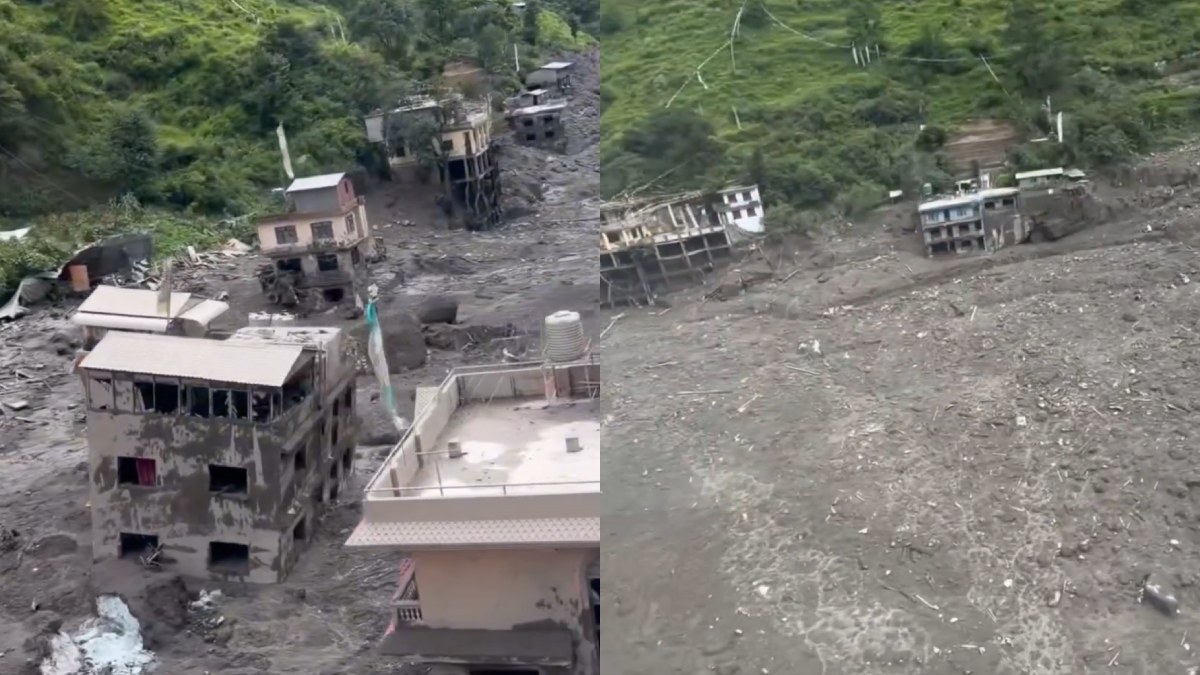
Rescuers are searching for survivors amid widespread destruction, and officials warn of a potentially second deluge, as unstable water bodies and lakes have been formed upstream in the Himalayas. More than 1,500 people are still missing, and 288 Indian nationals were travelling in the region.
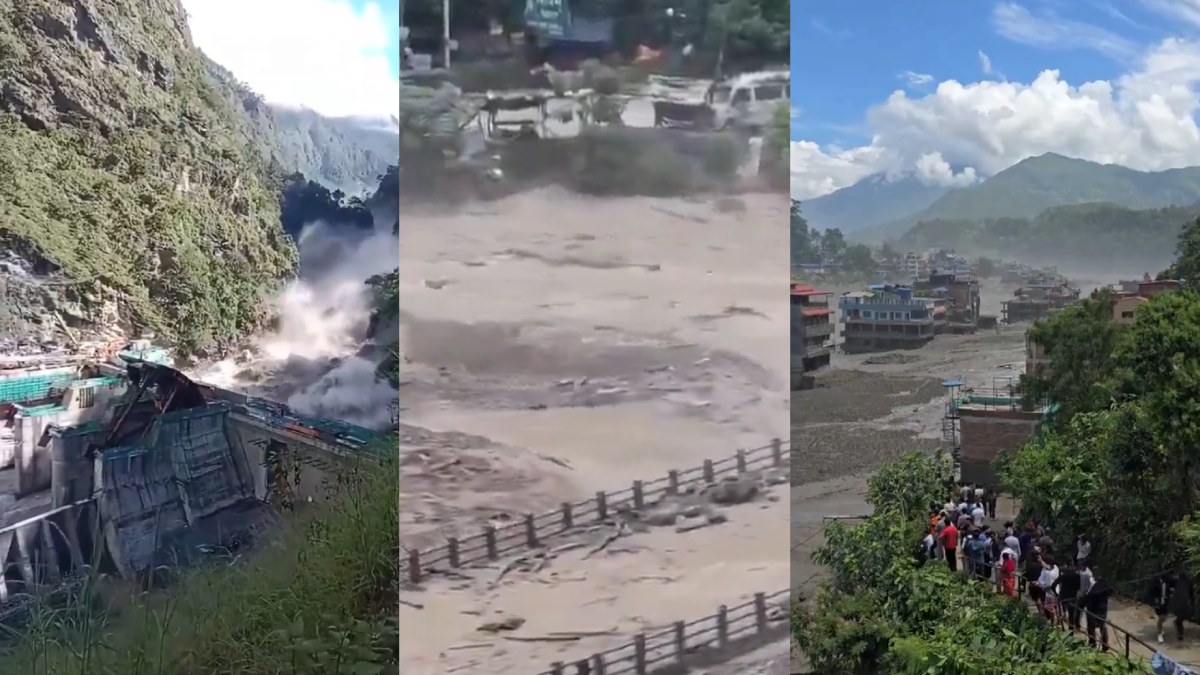
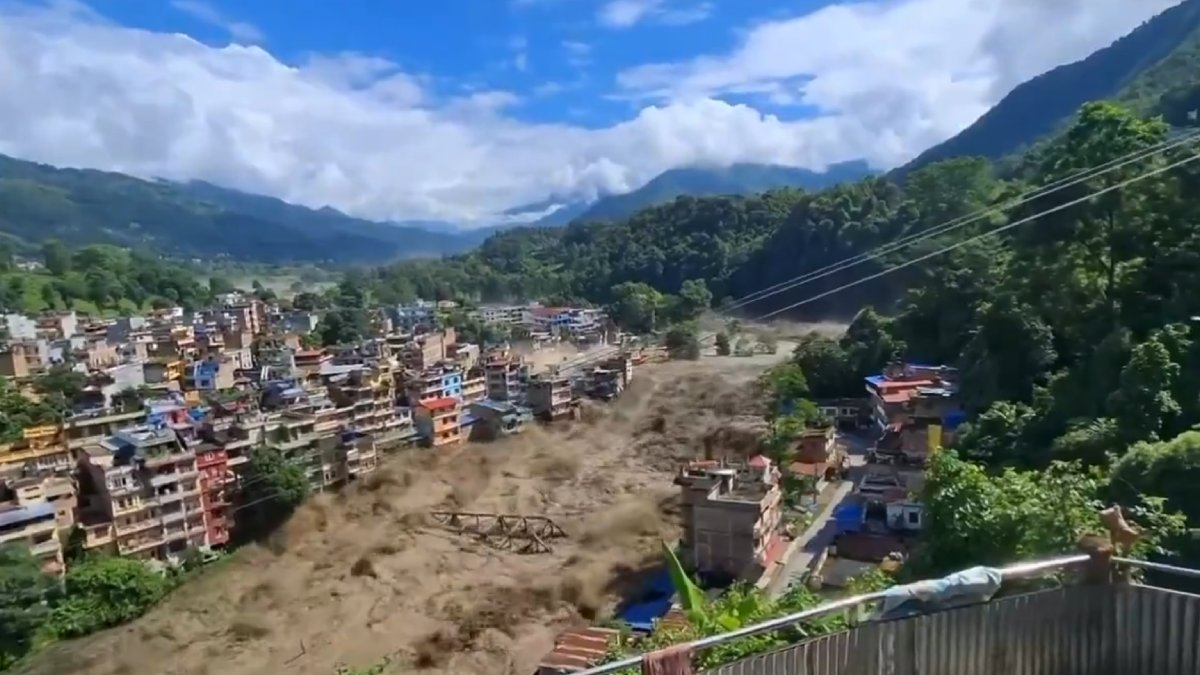
The floods were triggered by a massive glacier collapse and ice-rock avalanche in the Himalayan region on 26 August. Scientists and disaster management officials believe that the collapse unleashed an enormous torrent of water, mud, rocks and debris that rushed through river valleys connecting Tibet and Nepal. Homes, roads, bridges, hydropower plants and communications systems have been destroyed in hours, and many communities are cut off and inaccessible.
The worst-hit areas include Nepal’s Rasuwa, Nuwakot, Dhading and adjacent districts, where villages were buried under mud and debris. Many of the cities that are key transit points for trekkers and pilgrims going to Kailash Mansarovar were decimated. The floodwater also destroyed important bridges between Nepal and China, which disrupted trade and rescue activities.
A major concern is the large number of missing people. Hundreds of foreign tourists, pilgrims and residents are among those who have been missing, officials say. Among them are 288 Indians, many of whom are believed to have been travelling to Mount Kailash and Lake Mansarovar as pilgrimage groups.

Nepalese security forces, emergency services and international teams have been working around the clock to rescue people stranded in the mountains. Helicopters, drones and specialised disaster-response teams are being deployed to search for stranded people in remote areas. But damaged roads, unstable terrain and continued threat of landslides have made rescue efforts very difficult.
Moreover, Chinese and Nepalese authorities warn of a fresh flood threat. Aerial surveys and satellite images have revealed the lakes and water blockages that have been created by the glacier collapse. If these natural dams burst, so too will future flood warnings on downwind communities in areas already damaged by the previous disaster. Evacuation advisories have been issued in less populated areas and emergency teams are on high alert.
The disaster has ignited a global humanitarian response. India has already sent relief supplies, and several countries and organisations across the world have offered to help in rescue work, rehabilitation and recovery. Survivors face more challenging problems now: displacement, disease outbreaks, a shortage of clean drinking water, and loss of livelihoods, aid agencies say.
Climate and glacial experts say the disaster underscores the growing dangers of rapidly changing Himalayan ecosystems. As temperatures rise, glacier melt accelerates, and mountain ranges are unstable, glacial collapses and flash floods are more likely. Nepal has been hit by an avalanche this year and is already struggling to recover from the disaster, and so is the possibility of a flood there as rescue teams keep watching for another disaster.