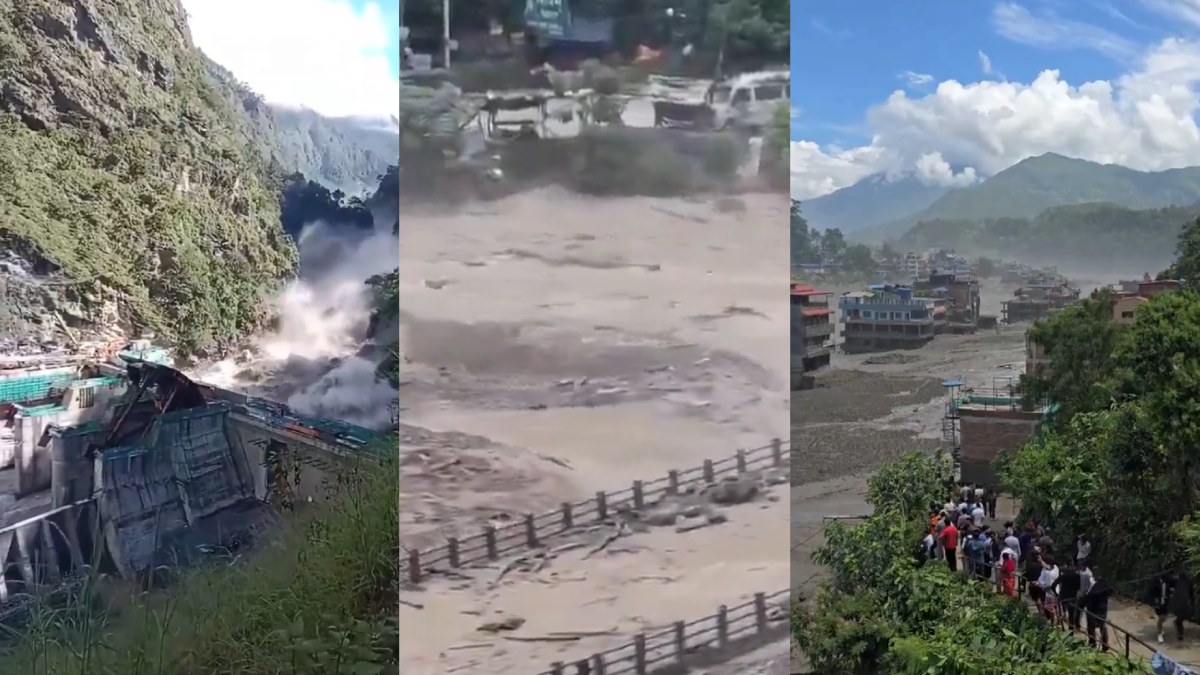
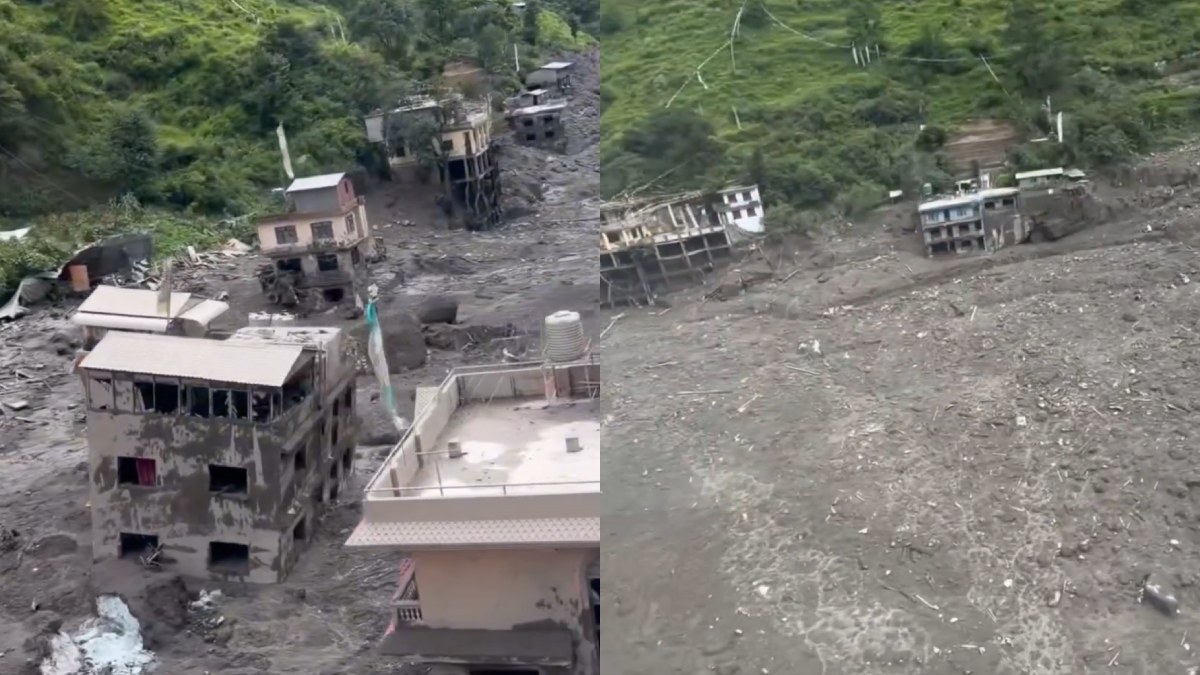
The first videos of the epic flash floods that struck the Nepal-Tibet border region from a disaster of such magnitude have also shown how the world has witnessed firsthand how much of nature is coming to light in the form of a disaster that’s been so massive and so much of a disaster so spectacular, with hundreds dead and thousands of families devastated.
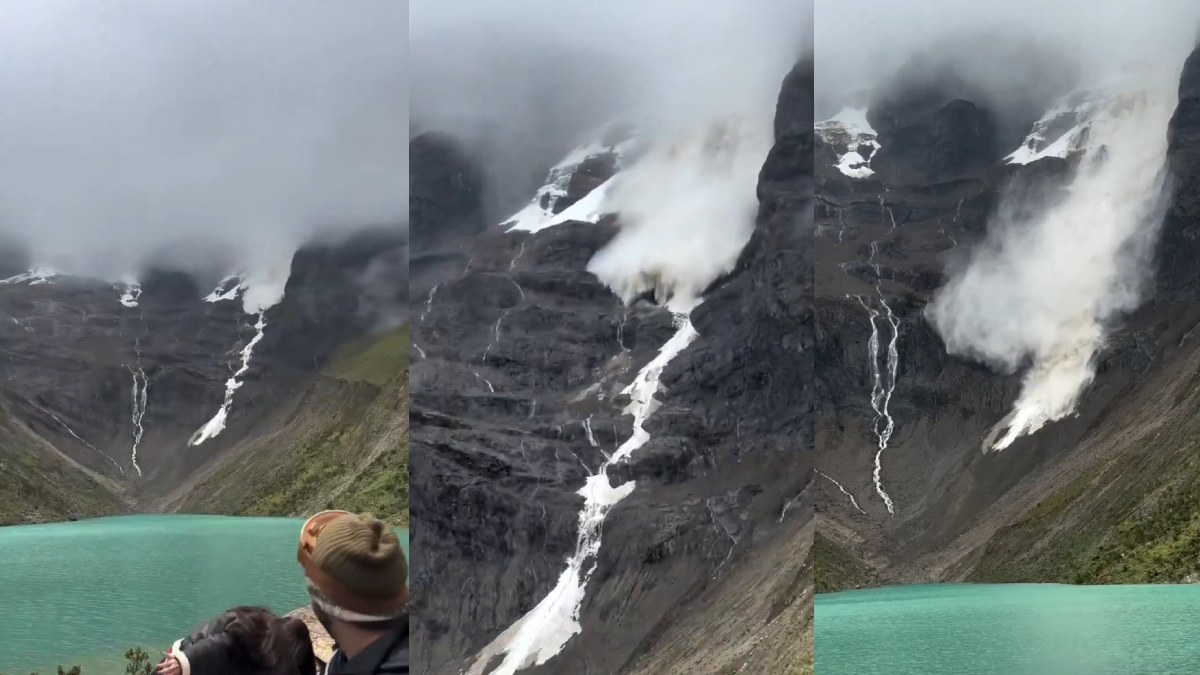
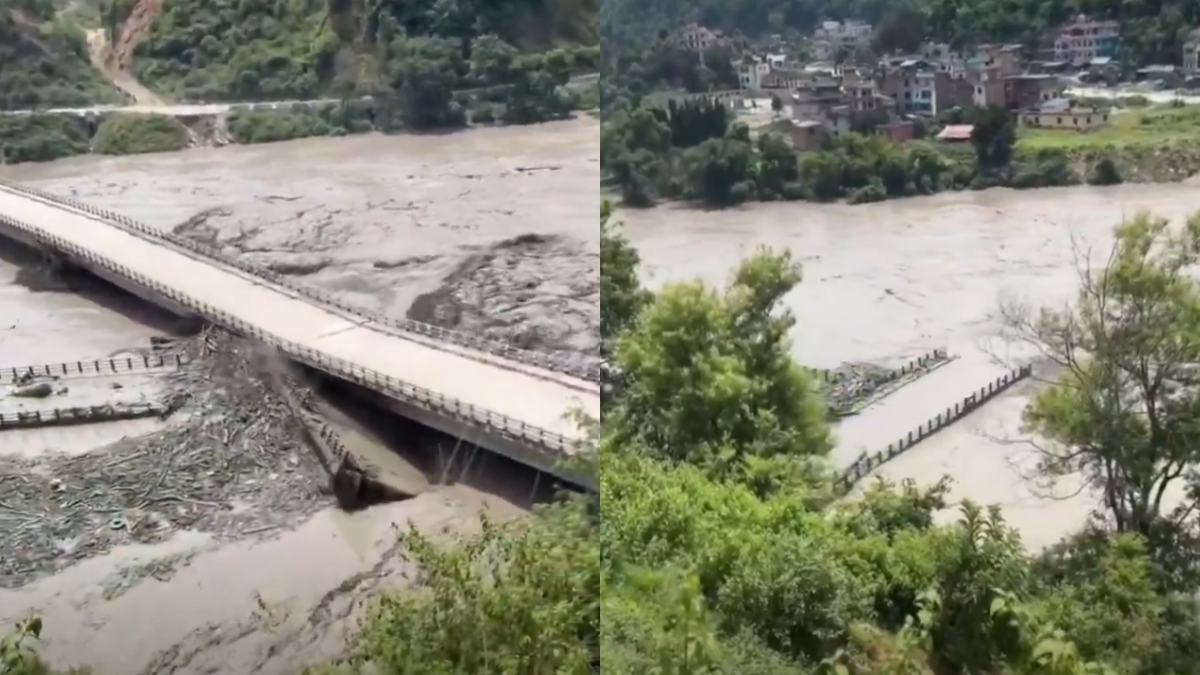
The images are being played over and over on news sites and social media, and video footage from Nepal’s worst flash floods to date shows torrents of muddy water that are so vivid that you can’t believe how torrents of muddy water carrying huge boulders, trees and structures are torn apart.
Vehicles and even buildings falling across the river go downriver (or so you can see from far away and people are helplessly watching from high above) and how far we are away from civilization from the rest of us as this is one of the worst natural disasters to hit Nepal that has ever happened in the Himalayan region in recent years.
The catastrophic flooding was triggered by a major glacial collapse and an ice-rock avalanche in the Himalayas near Nepal’s border. The collapse poured huge volumes of water, debris and sediment into the rivers that flow through Nepal’s mountains. Within minutes, rivers were inundated by torrents of water that roared into villages and pilgrimage routes, bridges, roads and hydropower plants. Scientists say the disaster transformed normally scenic valleys into disaster zones instantly.
The newly released footage shows the horror of it. Flood waters are shown surging through mountains in some of the videos, running through them quickly, swallowing roads and buildings in seconds. In other videos, it’s clear that bridges are torn apart, cars are stranded, and entire areas of land can be buried under layers of mud and debris. Residents who escaped the tragedy described hearing a roar and seeing a huge wall of water flood into their communities. Many had only minutes left to run.
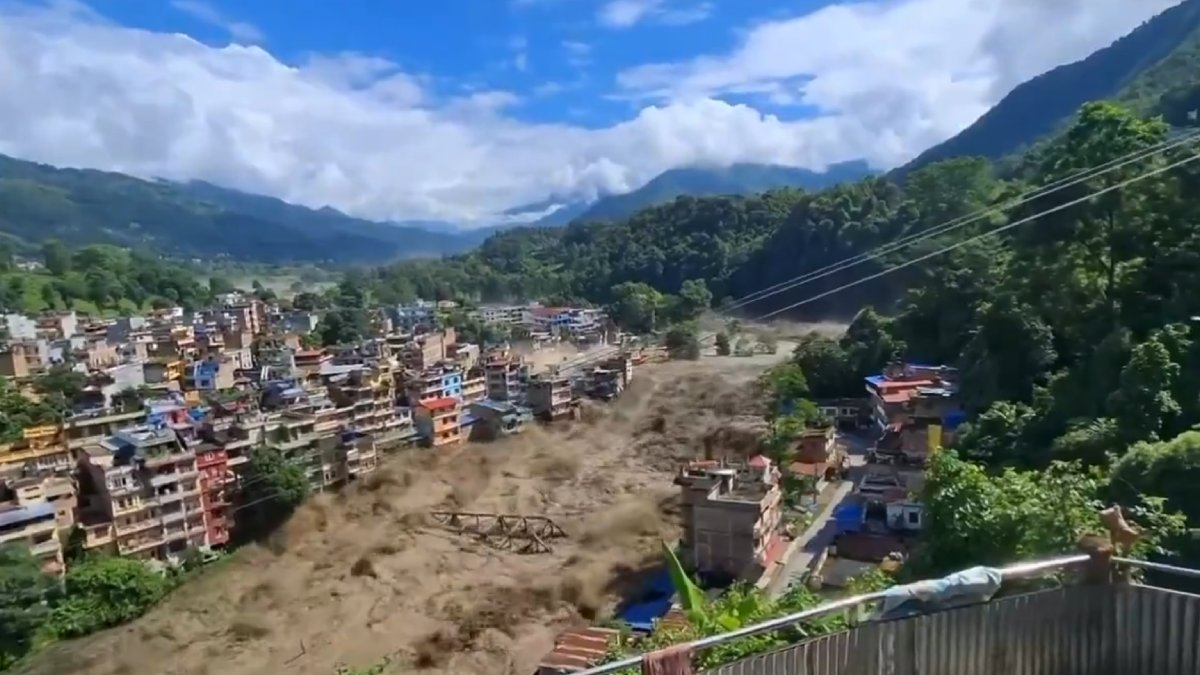
The first video of the devastating floods in Nepal are emerging. The scale of nature’s fury is truly heartbreaking 🇳🇵#Nepal #NepalFloods pic.twitter.com/9FaXzwumRt
— The Universe (@cbsingh_oo3) August 27, 2026
The disaster has claimed hundreds of lives, yet more than a thousand people are missing across Nepal and neighbouring Tibet, and thousands of tourists, trekkers, construction workers and pilgrims going to sacred Himalayan places, including Mount Kailash and Lake Mansarovar, are unaccounted for. Families in Nepal, India, and around the world are desperate to find their lost ones as rescue teams comb through the rubble.
Rescue operations continue to be extremely challenging due to the extent of the destruction. Many roads have been washed away, communication facilities have been destroyed, and several remote mountain communities are still cut off. Helicopters, drones, emergency response teams and military personnel have been used to search for survivors and deliver essential supplies. Officials say even with all those efforts, some of the hardest-hit areas could take days to reach.
The disaster has also reignited concerns about the growing impact of climate change on the Himalayan region. Scientists warn that increasing temperatures are speeding glacier melt, destabilising mountain slopes and increasing the risk of glacial collapses, landslides and flash floods. The Nepal tragedy is being compared by some geologists to previous major Himalayan disasters due to the immense volume of water and debris involved.
And in an added urgency, authorities have warned that newly formed lakes and debris blockages upstream could trigger another flood event if they break. Water levels are closely monitored, and residents in vulnerable downstream areas are warned of a second deluge, and people are fearing the worst for displaced, lost and uncertain lives.
The sad videos keep appearing and show both the beauty and fragility of the Himalayan landscape as well. The families affected are more than pictures—they’re a painful record of lives turned upside down by one of the most destructive flood disasters the region has ever seen.