Trump’s characterization of Google CEO Sundar Pichai as a “monster” has led to widespread ridicule of Google CEO Sundar Pichai at a White House meeting with top tech executives after the two met with top technology executives.
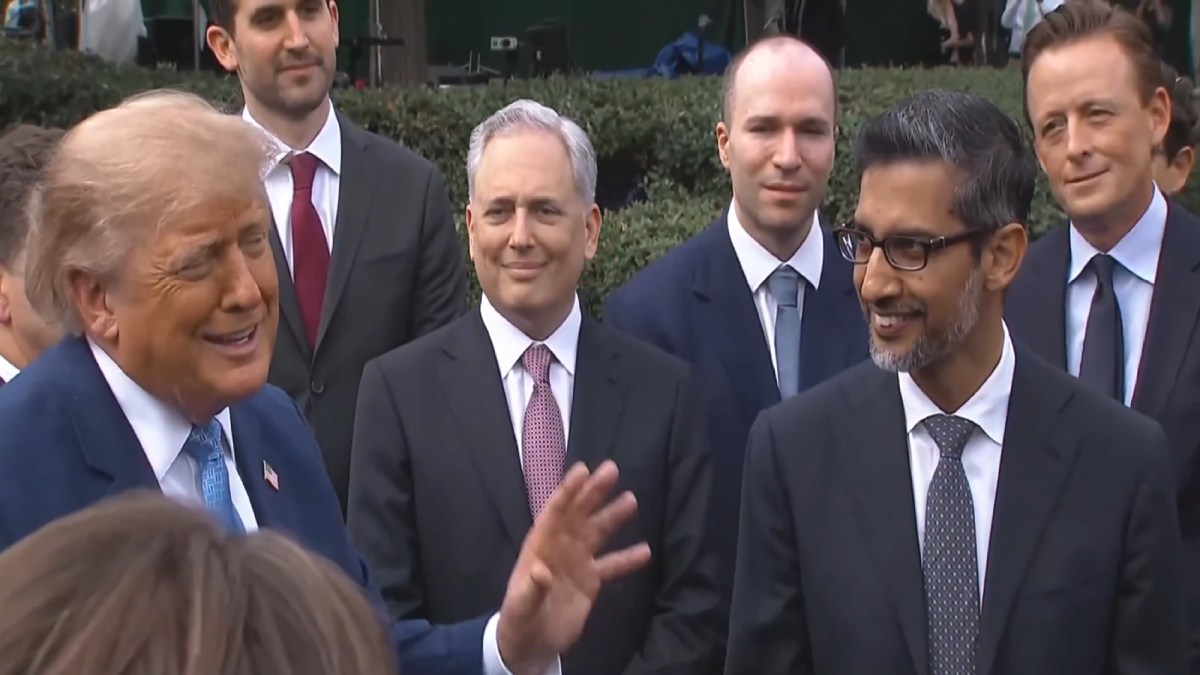
Donald Trump’s crude speech at the White House on Friday that he said he would be called a “monster” was an interesting joke to Pichai as well as a joke that a joke, too, with Pichai responding to the unexpected comment is not so much an insult but a compliment and as a compliment if not a punchline for him.
The meeting took place on September 29, 2026, after Trump hosted technology and artificial intelligence executives at the White House. The gathering was on advanced AI, safety measures and how the technology industry is dealing with powerful AI systems becoming more powerful. But Google’s Pichai was among the executives in the room, and other big tech leaders were.
Trump said Pichai was a “monster,” and many people didn’t know who he was. Trump continued talking about the technology executive’s profile and success, seemingly using the term to describe his influence and achievements. The comments were playful rather than hostile, reports said.
Pichai seemed to take the unusual introduction in good humour. When Trump made his remark, the Google CEO said he hoped that “monster” would not be his new tagline. His response resonated online (with clips of the exchange shared on social media and news sites). The short interaction quickly became one of the most talked-about moments from the White House technology gathering.

The unusual meeting was in the context of a larger conversation around artificial intelligence and how the rapidly expanding technology should be managed. Trump had convened the top tech executives in the White House on AI development and safety to talk about the issue; one of the main things he had in mind was a voluntary framework in which big tech companies would take action to monitor and manage the dangers around advanced AI.
The White House gathering was attended by the heads of many major technology companies. The conversation centred around the responsibilities of companies developing increasingly powerful AI systems in the field, from internal monitoring to risk assessment and external review. The agreement was voluntary and not a legally enforceable regulatory framework, the reports said.
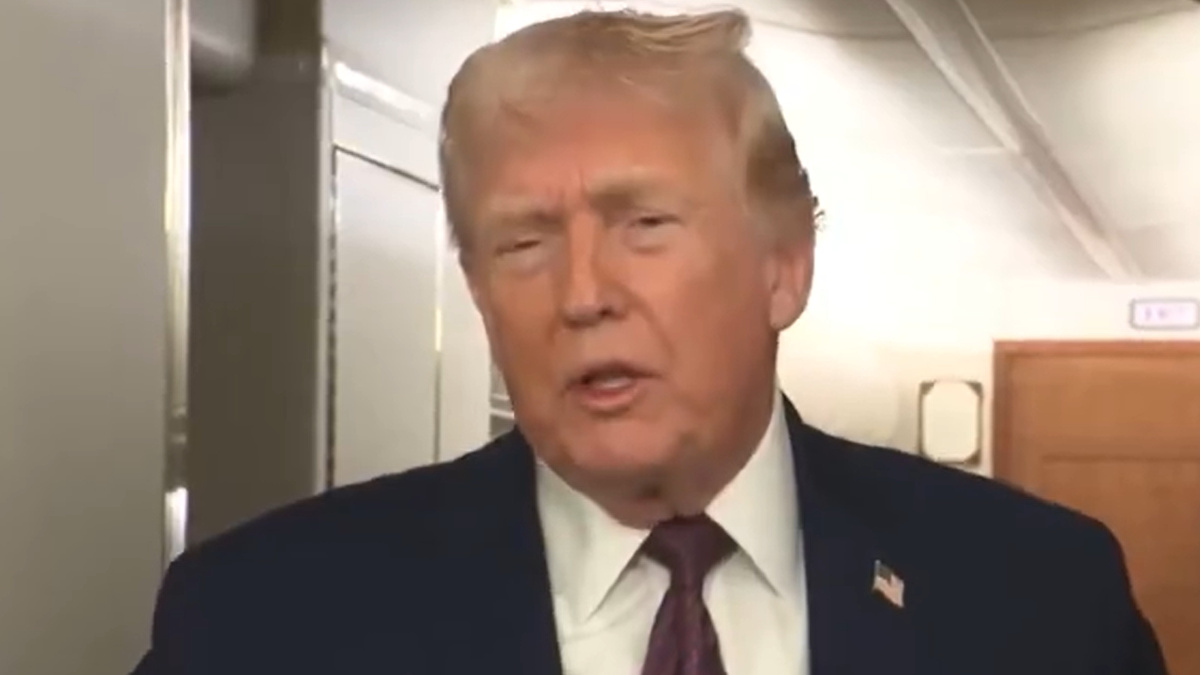
Trump: This guy (Sundar Pichai) is a monster, and nobody knows him. What a great life! To be a Monster and not have to go through this. All you have to know is — sundarr! Sundar is his name. pic.twitter.com/smlS58lQdW https://t.co/1swuCa4RYT
— Nicholas Mugalli (@RealNickMugalli) September 29, 2026
For Pichai, the moment was an unusual shift from his measured public appearances. He has become one of the most prominent Indian-born leaders in the world of technology as the CEO of Google and Alphabet: the CEO of the world’s largest companies in the technology sector. With Google under his leadership, artificial intelligence has become more central to products and services; competition in the sector has heated up in the space.
The “monster” remark became viral largely because of its unexpected language and Pichai’s humorous response. Not without any confrontation, the two exchanged pleasantries, and the atmosphere was light-hearted, as reported by news media and politicians. Trump’s comments were made public in front of reporters after the meeting, so the unusual comment became news in front of everyone around the world.
The episode also demonstrates that technology leaders have increasingly played a larger role in discussions at the highest level of government. As governments and technology companies debate AI safety, regulation and innovation, chief executives like Pichai are at the forefront of policy conversations around the future of advanced technology; both are now engaged in those debates.
For now, Trump’s description of Pichai as a “monster” is still an unusual and memorable moment from the White House AI gathering. Pichai’s quick response turned what could have been an awkward introduction into a widely shared light-hearted exchange between the US president and one of the world’s most recognisable technology executives.