The debate over how artificial intelligence should be regulated in the United States is growing, with Meta CEO Mark Zuckerberg, SpaceX/xAI entrepreneur Elon Musk and Nvidia CEO Jensen Huang protesting a new AI regulatory body.
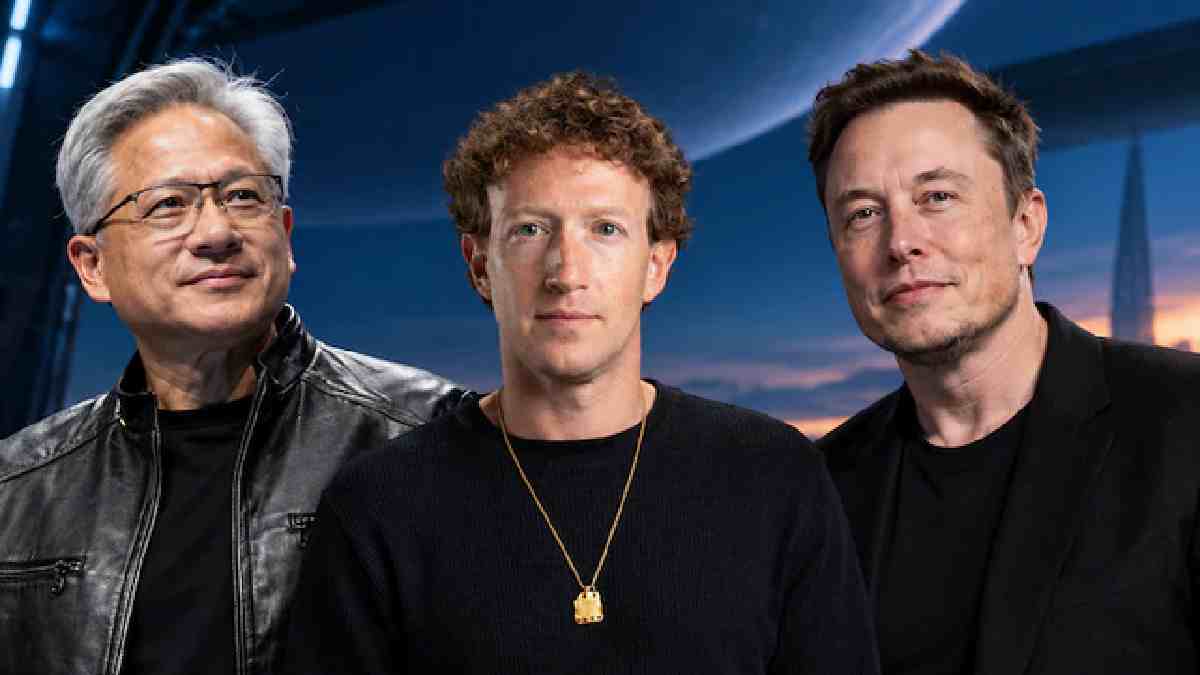
According to a Wall Street Journal report, the three technology leaders spoke with US President Donald Trump separately about the idea of an industry-funded organization, like the Financial Industry Regulatory Authority (FINRA).
The proposal was discussed as a way to create common AI safety standards and oversight in the rapidly developing industry.
The proposal was associated with Google DeepMind chief scientist Demis Hassabis. The argument behind the idea has been that stronger AI systems could require greater safety checks and independent evaluation as they become more powerful.
Zuckerberg, Musk and Huang expressed concern about the proposed structure. One concern was that such an organization would strengthen the power of the biggest AI companies, namely OpenAI, Anthropic and Google DeepMind.
Questions were also raised about who would control the organization and who would be appointed to key positions.
Zuckerberg has publicly argued that AI companies already have strong commercial and legal incentives to make their systems safe.
In an X post he said AI labs have both the responsibility and ability to determine how rapidly they should develop their models. He also said independent evaluators could help in improving AI safety and not require a new regulatory system.
Huang has taken a similar position. Speaking at Salesforce’s Dreamforce event, the Nvidia chief said AI safety and rapid innovation don’t necessarily have to be opposed.
He said market forces can encourage companies to address safety issues and said new AI-specific laws or regulations were unnecessary.
Musk’s position is more nuanced. He has supported calls for greater attention to AI safety and recently advocated Anthropic CEO Dario Amodei’s case for pacing frontier AI development. But Musk also seems to have objected to the proposed industry-backed regulatory body.
The dispute shows that Silicon Valley divides differently.
Safety coordination and development slow down are being advocated by leaders of both companies, including Amodei and OpenAI CEO Sam Altman, while Zuckerberg and Huang have pushed for companies to handle safety risks on their own.
Such a debate is now a central part of the US discussion over AI policy, as policymakers and technology companies weigh innovation, competition, safety and regulatory oversight.