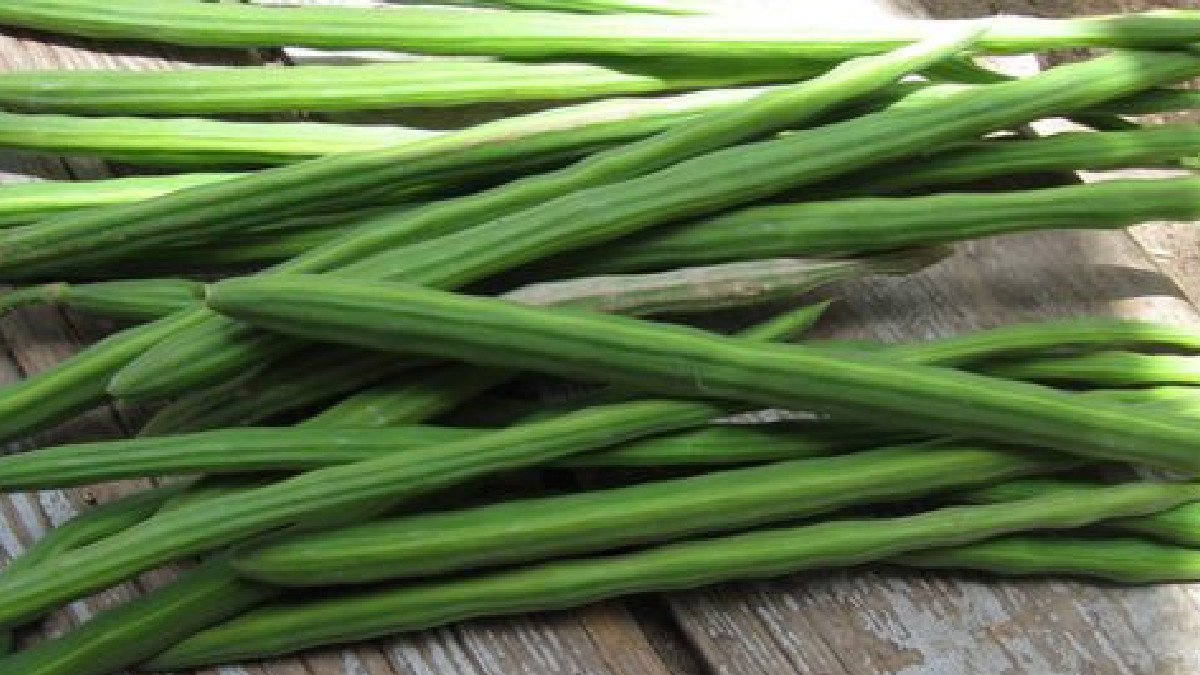
The humble drumstick (Nuggekai), a staple in South Indian cuisine, has become a luxury item in Bengaluru, with retail prices crossing the astonishing mark of ₹500 to ₹600 per kilogram. This dramatic price surge is a stark reflection of the acute supply crunch hitting the Silicon City's vegetable markets, forcing consumers to abandon the popular vegetable altogether.
The Price Shock: ₹100 Per Pair
The current market situation is unprecedented:
- A pair of drumsticks is being sold for as high as ₹100 in some parts of the city.
- The wholesale price has climbed to ₹500 per kg, while the retail price is fetching up to ₹600 per kg.
- This comes at a time when tomato prices have also hit a high of around ₹50/kg, and other vegetables are slowly approaching the ₹100/kg mark.
The Supply Collapse: Climate Change Impact
The primary reason for the stratospheric rise in prices is a catastrophic drop in supply, largely attributed to adverse climate conditions.
- Massive Supply Reduction: Bengaluru previously received approximately 100 tonnes of drumsticks daily. Due to unusual weather patterns, the yield has suffered severely.
- 60% Supply Drop: The daily supply to the city has now plummeted to just 30 to 40 tonnes, marking a 60% decline in procurement.
This significant deficit in supply has pushed prices sky-high, leaving wholesalers with limited stock and retailers passing on the heavy cost to consumers.
Consumers Seek Alternatives
The high cost has directly impacted consumer behavior. Silicon City residents are reportedly choosing to avoid purchasing drumsticks, deeming them unaffordable for daily consumption. This aversion is causing drumstick sales to slow down, even at the elevated price points.

Relief in Sight: The Tamil Nadu Factor
Wholesale traders indicate that the current high prices are likely to persist until the supply from Tamil Nadu, a major source of drumsticks, stabilizes.
- Upcoming Harvest: Farmers in Tamil Nadu have reportedly increased cultivation.
- Expected Price Relief: Wholesale traders anticipate that prices will begin to moderate slightly in January and February as the new, larger harvest from Tamil Nadu enters the market, potentially easing the supply-demand imbalance.
For now, Bengaluru’s beloved drumstick remains out of reach for many, symbolizing the volatility of fresh produce markets in the face of climate change and supply chain disruptions.