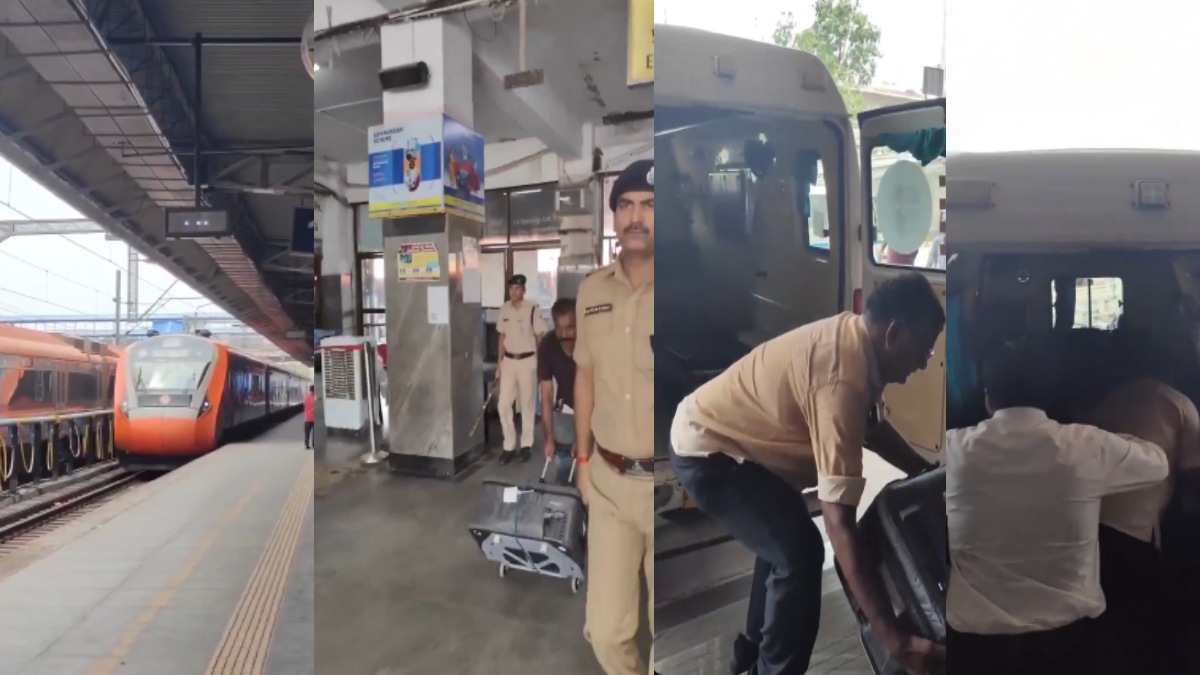
The Bengaluru-Ernakulam Vande Bharat Express had a huge delay after railway authorities found an axle-heating problem, and the train was kept at the station to undergo inspections and safety checks. The disruption also delayed departure by around six hours, and passengers travelling between Bengaluru and Kerala had to suffer.
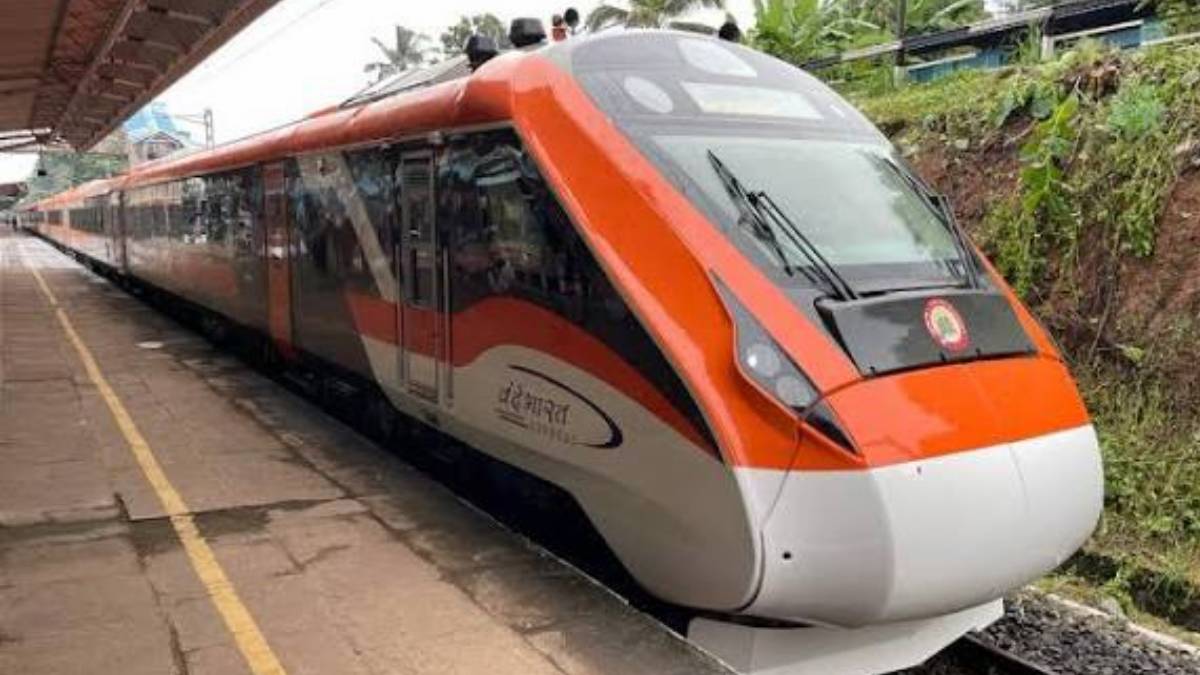
The incident occurred at a time when there is high demand for rail between Karnataka and Kerala. The Bengaluru-Ernakulam Vande Bharat has become an important inter-state service to passengers travelling between the two regions, and it’s convenient for the passengers (and better to wait for the train on the train track for a longer time) to take it on their way.
The train was scheduled to leave Bengaluru in the early morning. But railway personnel noticed abnormal heating of an axle during checks and held back so that the problem could be investigated before it could begin its journey.
An axle is a critical component of a railway coach’s wheel assembly that links wheels and supports the vehicle's weight. Excessive heating is a sign of a mechanical problem, whether it is because of bearings, lubrication, or other parts of the machine. Such warnings are taken seriously because an unresolved mechanical fault affects the safety of trains.
At the train station, for passengers waiting at the station, the safety-related stoppage, however, meant hours of uncertainty.

Bengaluru-Ernakulam Vande Bharat is a premium inter-city service, and is used by passengers with very well-planned schedules. Some will have onward transportation, hotel bookings, work commitments, and other appointments at their destination. A delay of about six hours can have a significant impact on the passenger, especially for long-distance travelers.
The incident also illustrates the need for preventive maintenance and technical monitoring for modern trains. Vande Bharat services are intended to provide improved speed, comfort, and passenger amenities, but reliability is also important and must be guaranteed through regular inspections and timely response to technical warnings.
Although passengers may be frustrated by a long wait, railway officials must put safety first if a mechanical problem is identified. If a train is to leave without an axle-heating warning being properly resolved, there is a lot more risk of delay than stopping the train.
The disruption also had effects on the train's subsequent operations. Vande Bharat services generally run on the same trainset for outbound and return journeys. A big delay on the Bengaluru-Ernakulam run would affect the return service from Ernakulam to Bengaluru.
The timing of the incident is also significant because the route has been experiencing strong demand. The Bengaluru-Ernakulam Vande Bharat has recently been expanded in terms of passenger volume with the introduction of additional coaches. Now passengers are also coming from Karnataka, Tamil Nadu and Kerala.
The route is especially busy during the holidays when people travel from Bengaluru to Kerala to visit family and celebrate. Onam season always brings a lot of traffic to the railway service, and that is in spite of the fact that you could be traveling.
If passengers who will be traveling on the route are to make the trip and are tired on the train, then they should check how the train is running now before they leave the train station. Technical difficulties can result in late departure times, and passengers can use that information to track the train status with official railway announcements and real-time train information as well.
The six-hour delay will also renew talk about operational preparedness. As premium trains become more popular, passengers expect not only contemporary conveniences but punctuality as well. At the same time, railway authorities would have to reconcile those expectations with the need for thorough safety inspections.
The incident does not necessarily point to a longer-term reliability problem with Vande Bharat trains. Railway operations, as expected for any complex transport system, can have unexpected technical problems. But the important part is how quickly and safely such problems are identified, addressed and communicated to the passengers.
Bengaluru-Ernakulam is still a major rail link between Karnataka and Kerala and the growing demand for the service shows the importance of faster inter-state rail connections.
The six-hour delay for the passengers affected by the latest disruption is surely frustrating. Yet the decision to investigate the axle-heating issue before the train could run again says something about the fundamental tenet of transportation: punctuality matters, but passengers' safety comes first.
With Bengaluru-Ernakulam Vande Bharat’s demand growing, reliable schedules and thorough technical inspections will be important to keep. The recent incident reflects the difficulty in operating a high-demand premium train service with a guarantee of safe service.