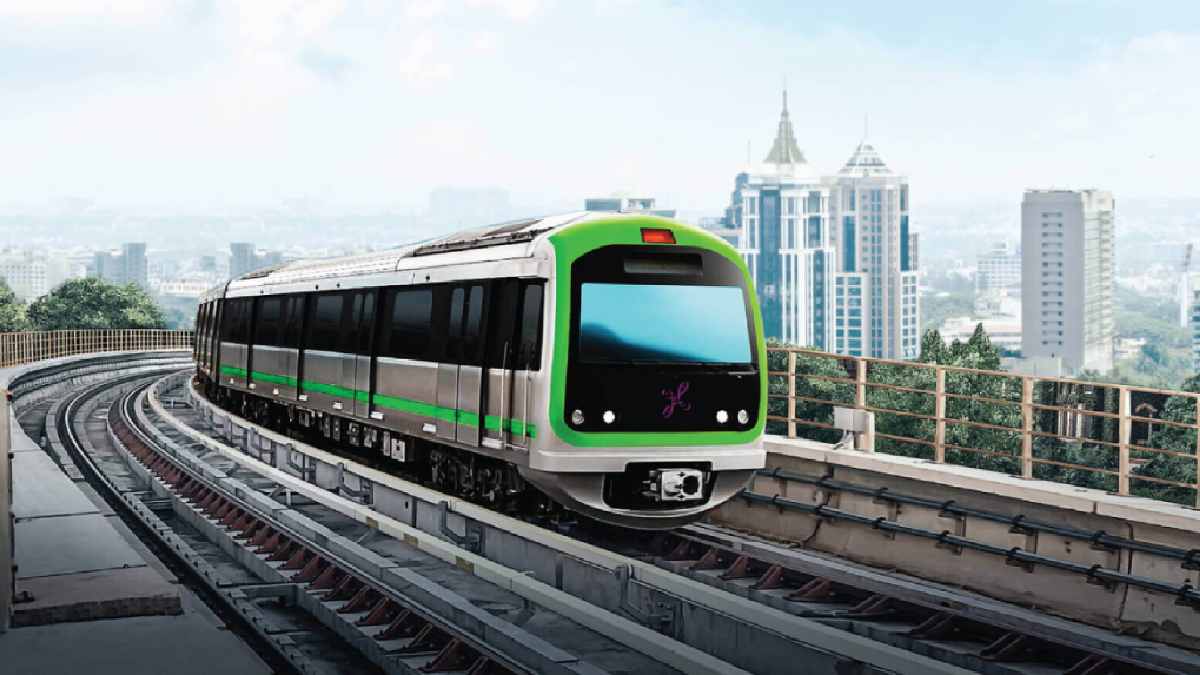
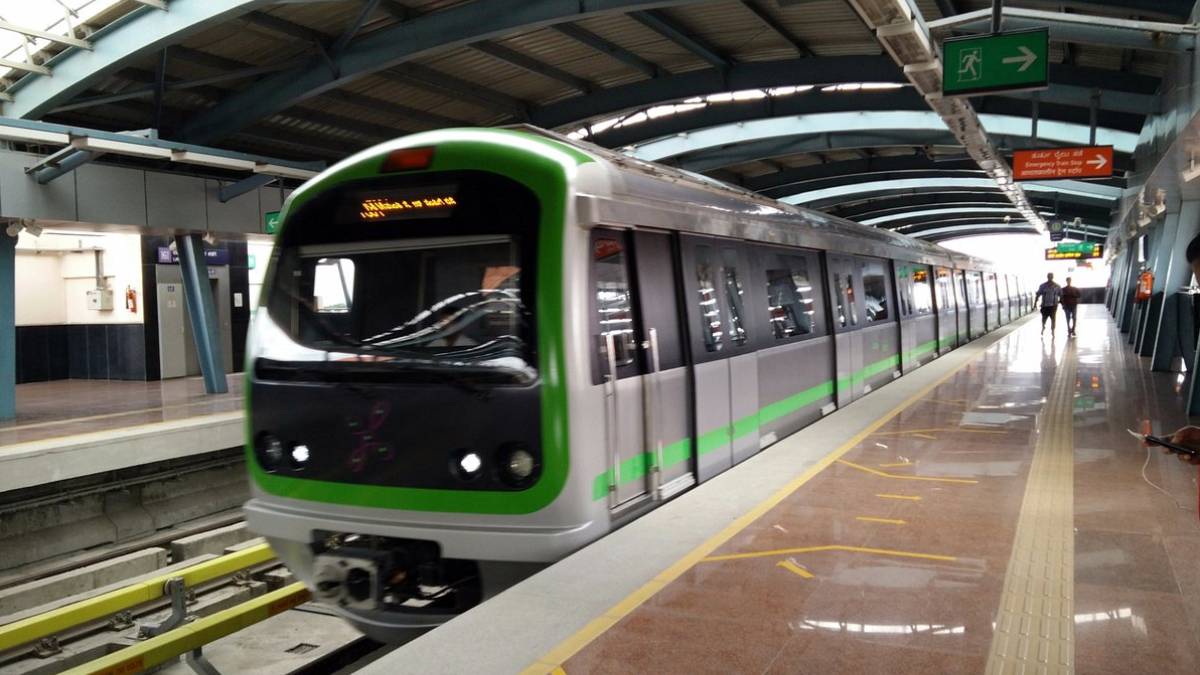
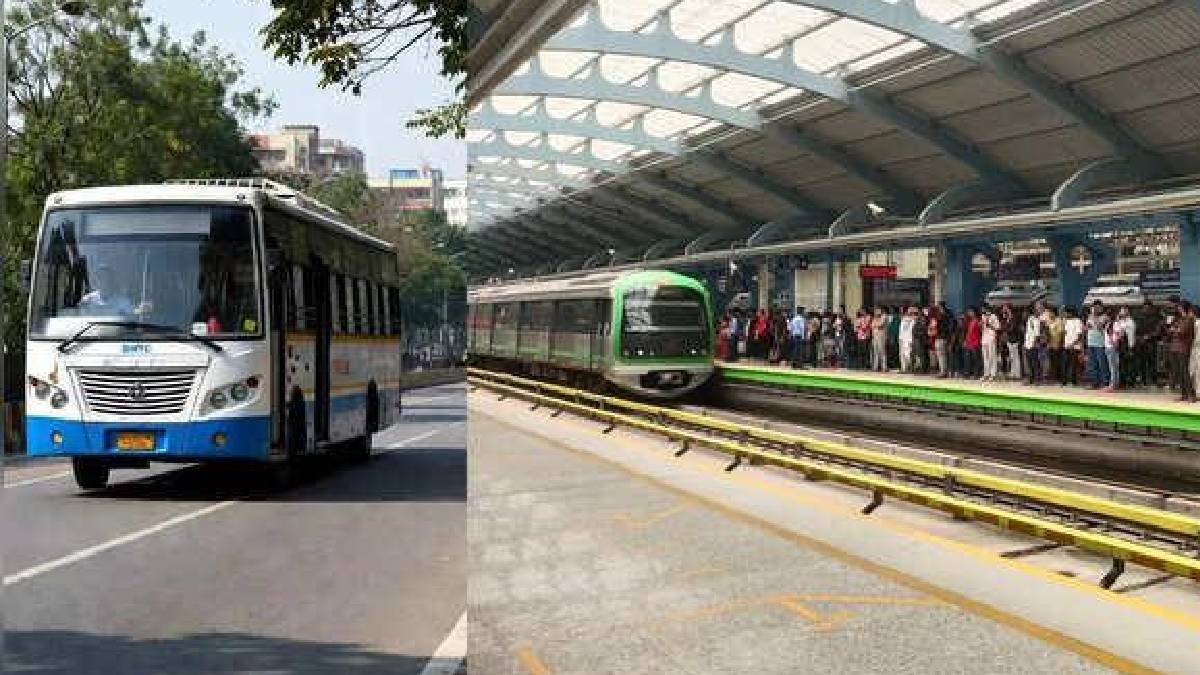
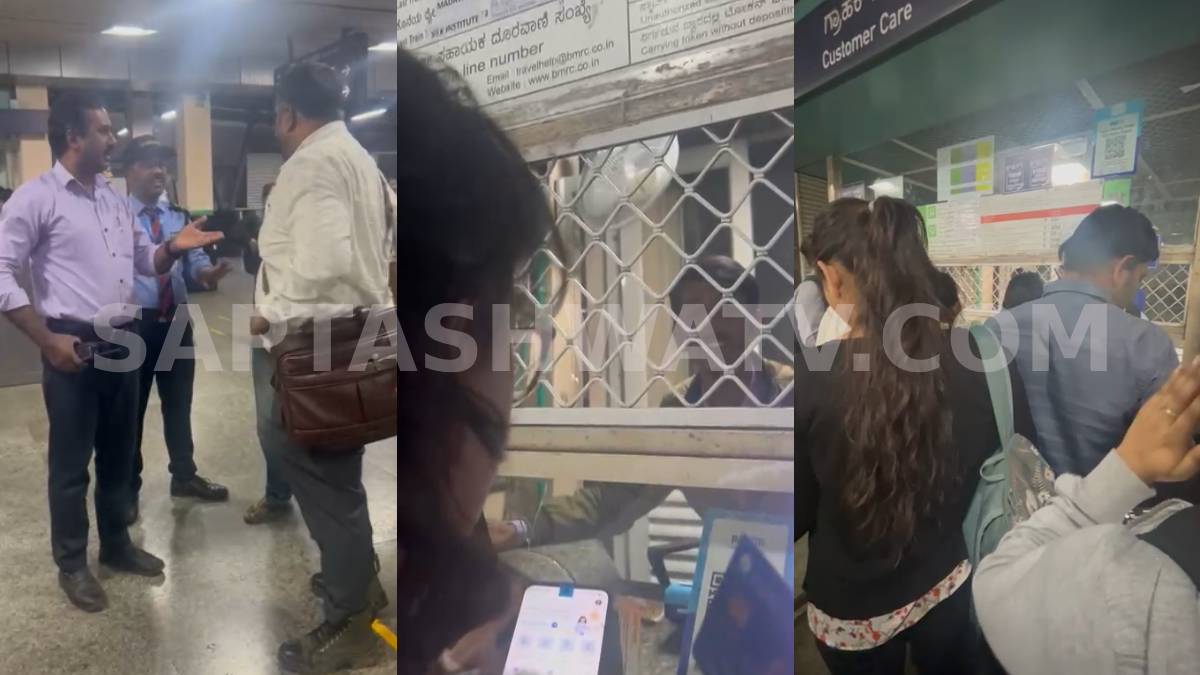
Bengaluru's Namma Metro is one of the most important public transport options for daily commuters but its high travel costs are once again taking centre stage.
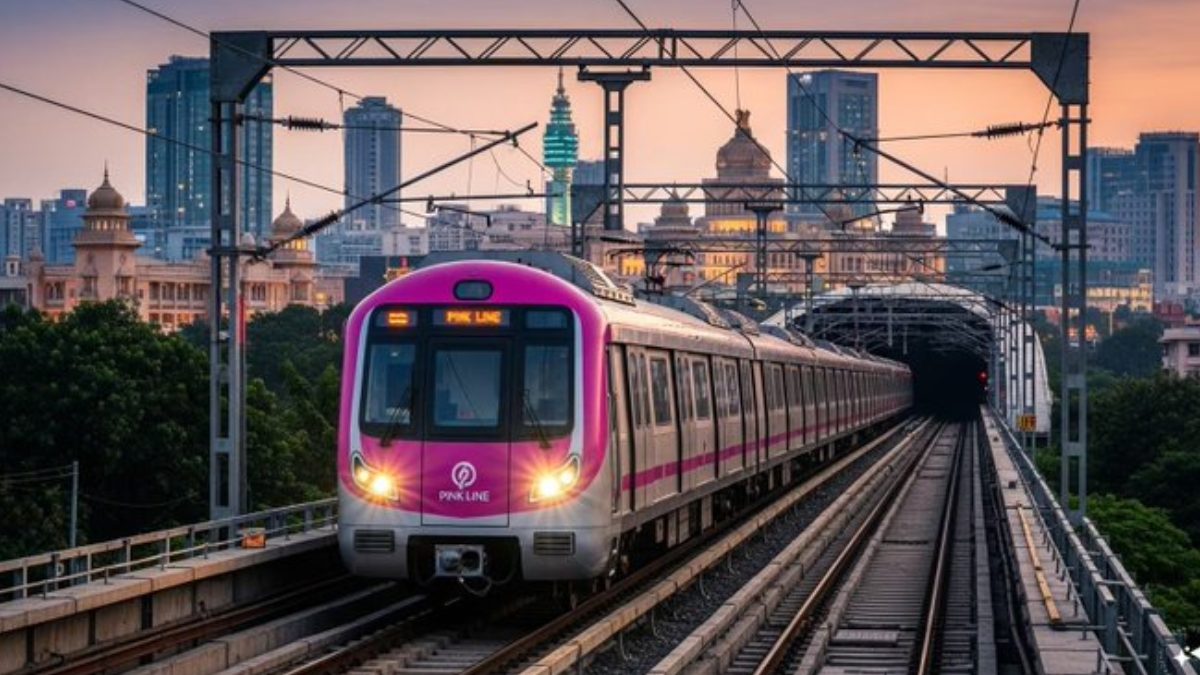
A recent affordability analysis suggests a Bengaluru commuter needs to make a monthly income of around ₹70,400 to keep metro transport expenses below 5% of monthly income. Namma Metro or government does not specify the salary. So it is based on an affordability benchmark to compare commuting costs with income.
According to the analysis, a typical 15-kilometre one-way commute with approximately two kilometres of last-mile connectivity at both ends is assumed in the study. The monthly cost of travelling mostly by Namma Metro is estimated at around ₹3,520 for 22 working days including the last-mile component. If this is the total cost of travel that would be about 5% of monthly income, then a salary of ₹70,400 is the salary threshold.
A closer look at this calculation illustrates a far greater problem to Bengaluru residents: commuting is highly correlated to where people live and work. Bengaluru has many employees traveling all around the city on a daily basis and many commuters have to travel long distances because of housing costs, employment locations and traffic congestion.
Namma Metro is a more convenient alternative to road travel because of the predictable journey times on its operational corridors. Bengaluru’s traffic congestion can make the road-based journey very difficult to predict during the peak office hours. So for the long distance commuters the metro can provide a good balance of speed and reliability even if the fare is high.
The affordability comparison becomes more apparent when compared with other large Indian cities. For example, a comparable metro commute costs ₹2,772 in Delhi and ₹2,200 in Chennai, but the income required to keep rail-based transport within the 5% affordability benchmark is lower in several other cities. As a result, Bengaluru is one of India's costliest major cities for metro commuting when fares are considered relative to income.
Namma Metro fares have also undergone significant changes in recent years. In February 2025, the fare structure was revised dramatically; the minimum fare was raised from ₹60 to ₹90, and the maximum fare from ₹95. BMRCL again introduced a 5% annual increase in February 2026 to take the minimum fare to ₹11 and the maximum fare to ₹95. The February 2026 increase ranged from ₹1 to ₹5 across the fare slabs.
The current fare structure means that the amount paid by a passenger depends on the distance travelled. From February 2026 the fares are ₹11 for journeys up to two kilometres and ₹95 for those greater than 25 kilometres. BMRCL also offers discounts to smart-card holders and National Common Mobility Card users, with certain concessions being given for the distance travelled.
If you are a commuter on a daily basis, small changes in fares can accumulate over a whole month. A metro commuter doing two metro trips a day can see transportation expenses as a big part of their monthly budget, especially if you combine the metro with auto-rickshaw, cab, bus or other last-mile transportation.
However, simply comparing fares alone does not quite tell the story. Road-based alternatives can be much more expensive for daily long-distance transportation. A regular autorickshaw commute over a similar distance could cost more than ₹14,000 a month, according to the affordability analysis. And app-based cabs and other road-based alternatives may go beyond metro costs. Ownership of private vehicles also involves costs such as fuel, maintenance, depreciation and parking.
And Namma Metro’s higher fare does not necessarily mean it’s the most expensive commuting option. The question is not how much of a commuter’s income gets consumed by public transportation and whether this fare provides enough value to drive more and more frequent trips.
Bengaluru is also expanding its metro network. The Karnataka Budget for 2026-27 said the operational network was about 96 km with approximately 10 lakh daily commuters, and 41 km of metro lines were to be completed by the end of the financial year. The expansion will eventually develop better connection to more residential and employment areas, reducing reliance on roads.
Therefore, the ₹70,400 figure should be regarded not as a required income level but rather as an affordability benchmark. Actual commuting costs vary greatly depending on travel distance, number of working days, smart-card discounts, last-mile transportation and whether a commuter uses metro services for every journey.
For Bengaluru's workforce, the bigger question is how to balance affordable transportation with the need for financially sustainable public transit. With Namma Metro growing and more commuters relying on it, fare rates, discounts, network coverage and last-mile connections are likely to remain a significant part of the city’s transportation debate.