The BJP has backed up the proposal to develop a new route to the Amarnath cave shrine and is putting forward a corridor through Drass in the Union Territory of Ladakh. Party leaders say it is the “safest and shortest” route to the revered pilgrimage site, and it will help to increase access for devotees, improve disaster management and create a better economic environment.
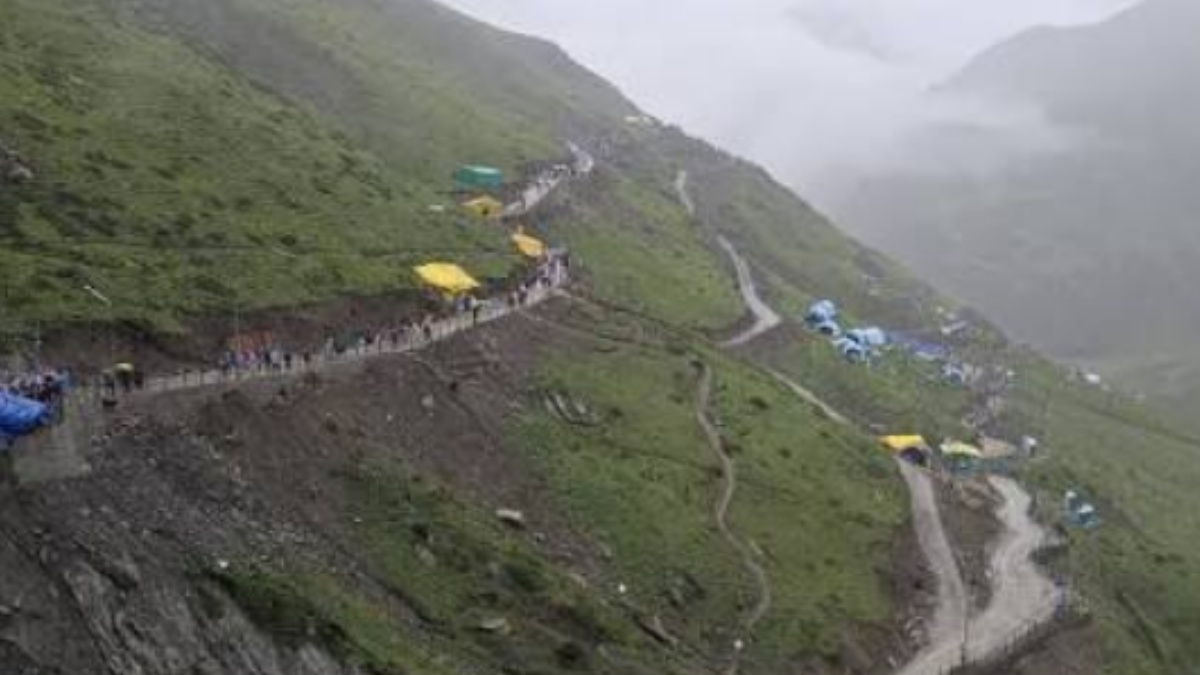
The proposal is in the midst of discussions on whether to build infrastructure for the Amarnath Yatra, one of India’s most important Hindu pilgrimages. Every year lakhs of devotees make it to the holy cave shrine at a height of almost 3,900 metres in the mountains where a natural ice stalagmite is worshipped as Lord Shiva’s symbol.
At present, pilgrims mainly use two routes. The traditional Pahalgam route in south Kashmir is long but relatively gradual, while the Baltal route is shorter but steeper. Both routes are accompanied by security personnel, medical teams, disaster response units and logistical support during the pilgrimage season.
BJP leaders who advocate the Drass proposal claim that an additional route would diversify access to the shrine and reduce pressure on the existing corridors during peak pilgrimage periods. They think another route would be better for crowd management and would present an alternative if the weather or emergencies affect the current routes.
Drass is one of the coldest places in the world and it is considered to be a strategically important place in Ladakh. They say better connectivity from the region would not only be able to boost the pilgrimage but also tourism, employment and economic activity for local communities in transportation, hospitality and similar services.
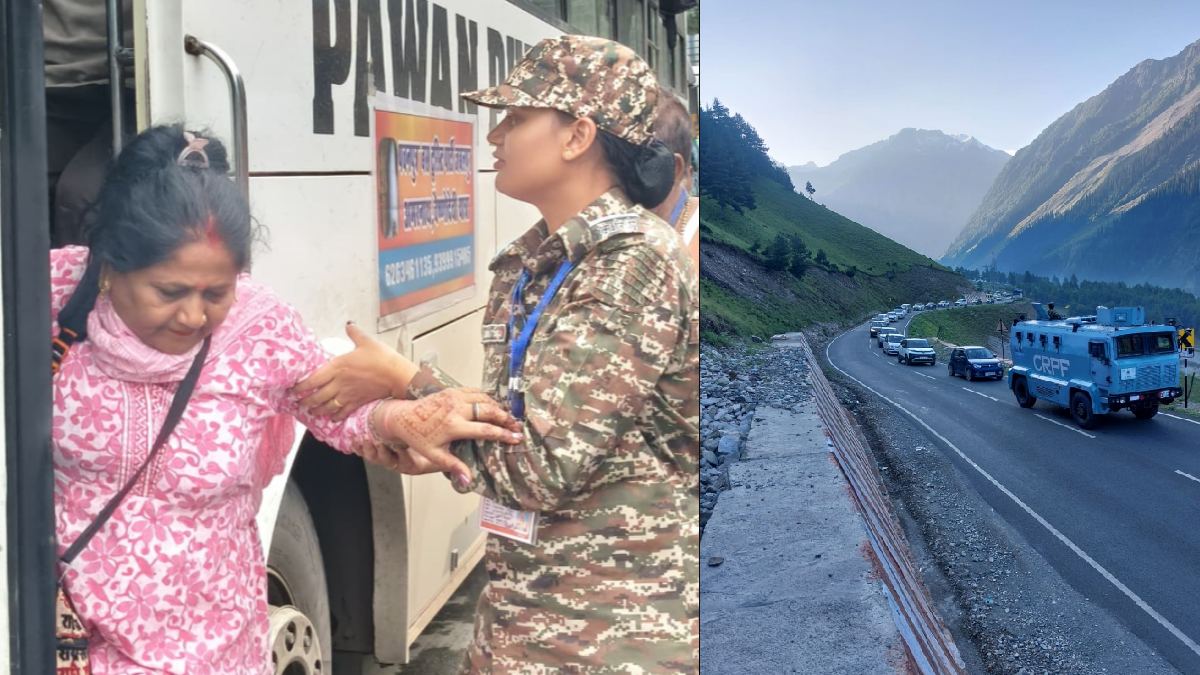
The party has also highlighted safety as a key factor behind the proposal. Mountainous terrain, unpredictable weather, landslides and heavy rainfall can occasionally disrupt pilgrimage routes.
BJP leaders say a new route will improve contingency planning and another access route will also be available in case of an emergency or bad weather and that they will need to plan in advance.
Infrastructure development in the Himalayan region has been one of the main issues in the past few decades, the focus on roads, tunnels, bridges, telecommunications and border connectivity being the key areas. Supporters claim better transport networks have expanded access to remote areas and have contributed to economic development and national security.
But any plan to create a new pilgrimage route would require thorough technical, environmental and security analysis to be conducted before implementation. To build infrastructure in the fragile Himalayan ecosystem is to consider geological stability, environmental impact, wildlife conservation and long-term sustainability, so experts say.
Environmentalists have stressed that while better connectivity can bring developmental benefits, infrastructure projects in ecologically sensitive areas must be undertaken with strict safeguards to minimize impacts on forests, water resources, biodiversity, and mountain ecosystems.
The environmental impact assessments would most likely be an essential part of any future planning process.
Security is of course also an issue for the Amarnath Yatra. The pilgrimage is managed through collaboration among the security forces, civil administration, health departments and disaster management agencies to ensure sufficient security, communication facilities, medical care, accommodation and emergency evacuation.
If a third route is eventually developed, then local communities might benefit from increasing visitor traffic. Hotels, guesthouses, transport operators, restaurants, and small businesses may be in more demand with regional livelihoods. But sustainable tourism practices would be required to maintain the ecological balance in this area.
Political experts say the proposal is likely to generate discussion among various actors like the Union government, the Shri Amarnath Shrine Board, the administration of Jammu and Kashmir and Ladakh and environmental experts and local people. In pilgrimage planning, many agencies have to consult and approve the project and a number of agencies have to be consulted to ensure that the pilgrimage planning is taken into consideration.
For pilgrims, a new route would give them more flexibility and potentially enhance the overall planning if it is technically and ecologically feasible. But authorities would still have to take into account terrain, weather conditions, rescue infrastructure, carrying capacity, and operational needs when planning for the operation.
The BJP's proposal has once again brought into focus the ever-evolving infrastructure requirements of one of India's major religious pilgrimages. In the end, whether the Drass route will go beyond proposal stage will be up to detailed feasibility studies, environmental clearance, security assessments and policy decisions of the relevant authorities.
In the future, the issue of better accessibility to pilgrims and the environment and public safety and sustainable development in the ecologically sensitive Himalayan region will remain a focus as we move forward.